 English
 中文 (中国)
 Español
February 19, 2026
The Million-Dollar Medal: Alysa Liu’s Olympic Journey
May 15, 2026
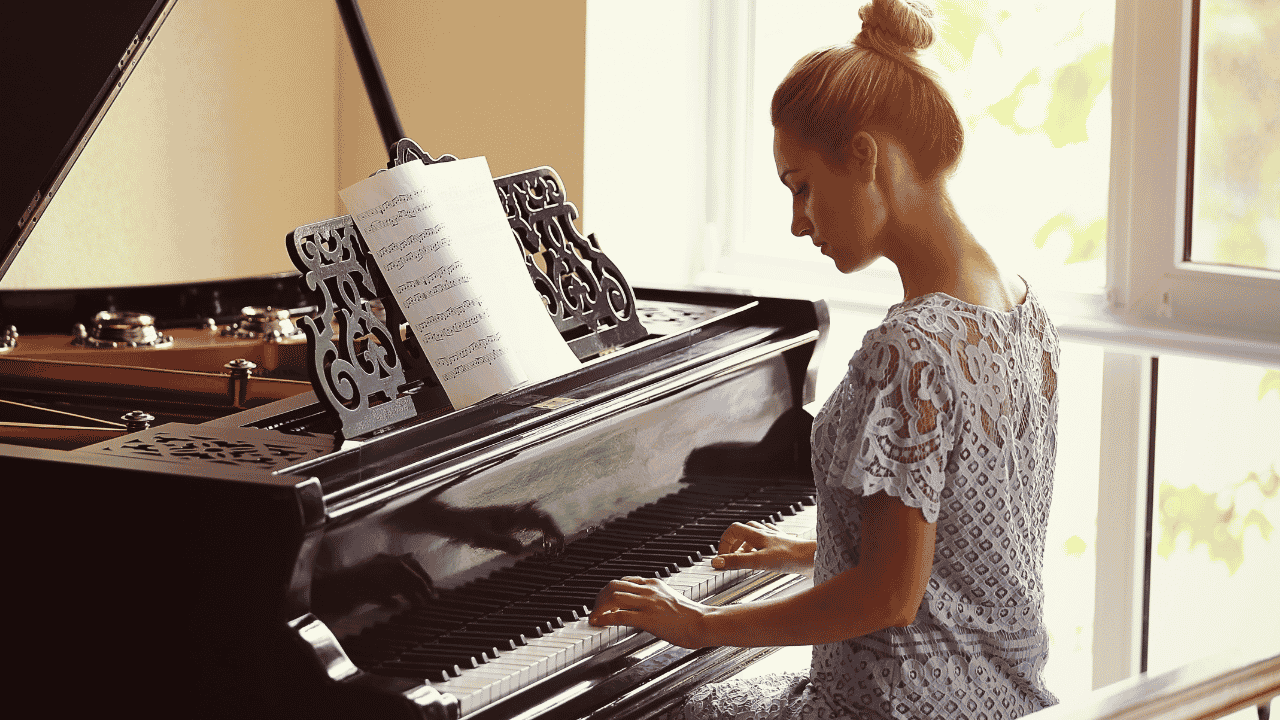
Over the last few decades, movie soundtracks have completely changed the way many people approach piano playing. While classical music education traditionally focused on composers like Chopin, Mozart, and Beethoven, modern piano students are increasingly inspired by emotional film scores.
Movie music introduced a style of piano playing that feels more atmospheric, emotional, and cinematic. Instead of focusing only on technical complexity, many soundtrack composers prioritize mood, storytelling, and emotional connection with the audience.
As a result, modern piano culture has become much broader and more emotionally accessible to new generations of players.
One major influence of film music is the popularity of emotionally simple but powerful piano melodies.
Many modern soundtrack pieces use repeating patterns, soft harmonies, and minimalistic structures that create strong emotional impact without extreme technical difficulty. This made piano music feel less intimidating for beginners while still sounding expressive and cinematic.
Pieces from films and television are now commonly used in piano lessons because students often feel emotionally connected to music they already recognize from screen scenes.
Composers working in cinema helped popularize a softer, more atmospheric piano sound.
For example, Hans Zimmer became famous for combining minimal piano melodies with powerful emotional storytelling in film soundtracks. His music often uses repetition, dynamic layering, and gradual emotional development rather than highly decorative virtuoso passages. This cinematic approach strongly influenced modern piano arrangements, social media piano covers, and contemporary composing styles.
Another important influence came from soundtrack music becoming deeply connected to visual emotion. Many pianists today focus not only on playing notes accurately, but also on creating atmosphere and emotional imagery through sound. This style of expressive playing became especially popular online, where cinematic piano performances attract millions of listeners.
Platforms like YouTube, TikTok, and Instagram helped movie-inspired piano music become even more popular worldwide.
Many pianists began posting emotional soundtrack covers, slow-motion cinematic performances, and simplified arrangements from famous films. Audiences often connected strongly with this emotional and visual style of piano content.
As a result, modern piano playing became more performance-oriented and emotionally expressive, especially among younger musicians.
Today, many beginners choose to learn piano specifically because of movie music.
Unlike traditional classical exercises, soundtrack pieces often feel immediately emotional and motivating. Students may become inspired after hearing music from fantasy films, romantic dramas, or animated movies.
This emotional connection frequently helps beginners stay more consistent with practice because they feel personally attached to the music they are learning.
Movie music did not replace classical piano — instead, it created a blend between traditional technique and modern emotional storytelling.
Many advanced pianists now combine classical training with cinematic phrasing, softer dynamics, and soundtrack-inspired interpretation. Concert programs, online performances, and even competitions increasingly include modern film arrangements alongside traditional repertoire.
This fusion has made piano culture more diverse and accessible to wider audiences around the world.
One reason cinematic piano became so popular is because movie music encourages listeners to imagine scenes, emotions, and stories while listening.
Modern pianists often think visually when they perform, almost like creating a film through sound. This approach changed how many musicians interpret phrasing, timing, and emotional dynamics.
Today, piano playing is not only about technical mastery — it is also about atmosphere, storytelling, and emotional experience.
Achieve More With VSA: Boost your skills with world-class coaches for just $29/hour. Personalized programs 24/7, 365 days a year, anywhere in the world.
By Vitalina Andrushchenko, Staff Writer
February 19, 2026
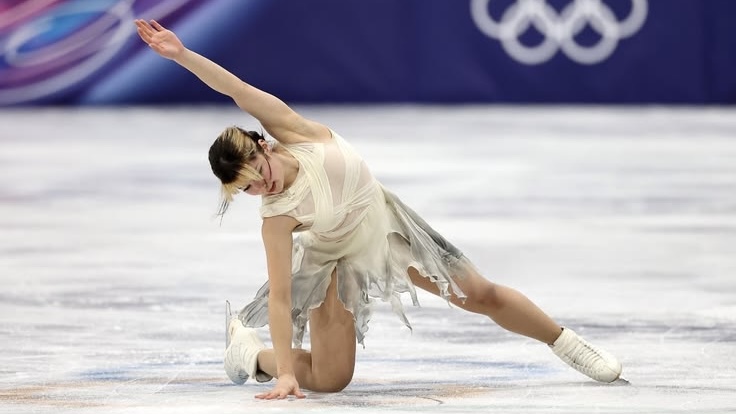
The Million-Dollar Medal: Alysa Liu’s Olympic Journey

December 25, 2025
Nancy Kerrigan’s $10 Million Legacy: Success Beyond the Ice
January 08, 2026
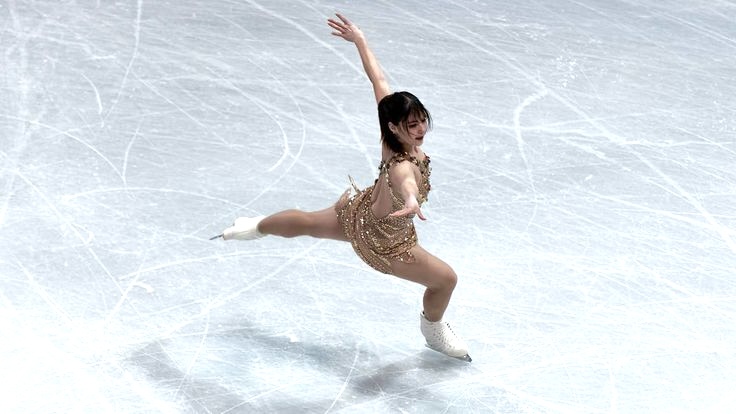
2026 U.S. Skating Nationals Results
Competition highlights, industry trends, expert opinions, and stories from athletes and artists worldwide — delivered straight to your inbox