 English
 中文 (中国)
 Español
February 19, 2026
The Million-Dollar Medal: Alysa Liu’s Olympic Journey
November 07, 2025
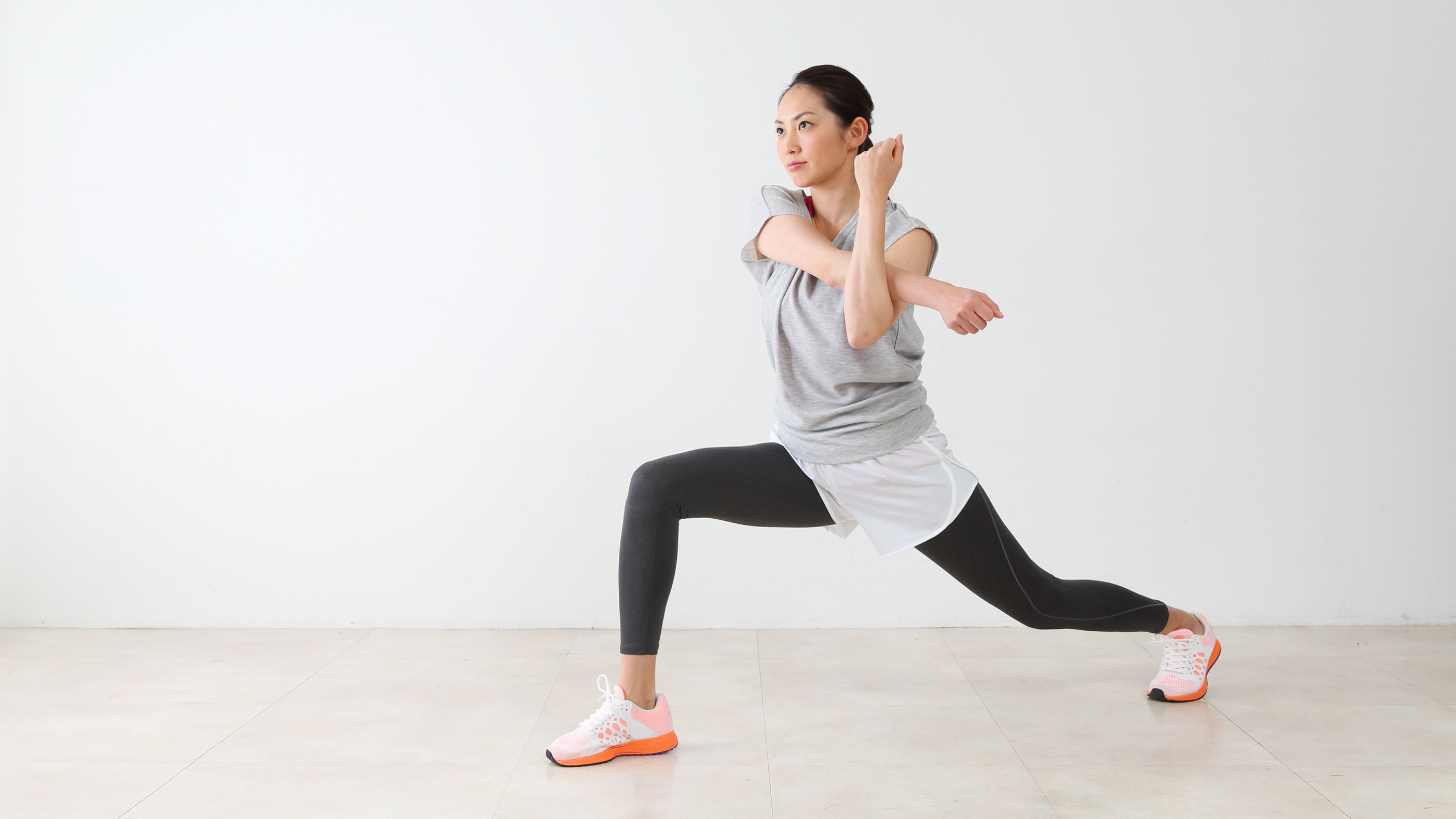
Stretching is one of those things everyone knows they should do, but few actually commit to. Whether you’re an athlete, dancer, office worker, or new mom — consistent stretching can transform not only how your body feels, but how it performs every day.
But the question remains: how often should you stretch to see real results?
Stretching improves your body’s range of motion, boosts circulation, and reduces the risk of muscle strain or stiffness. Studies published in the Journal of Strength and Conditioning Research have shown that regular flexibility training can even improve muscular efficiency — meaning your body uses less energy for the same movement.
There are two main types of stretching you should know:
Both are beneficial, but timing and frequency matter.
According to the American College of Sports Medicine (ACSM), to maintain or improve flexibility, you should stretch:
However, consistency is more important than duration.
Even 10–15 minutes per session can make a difference when done regularly.
If your goal is mobility or pain relief, daily light stretching (especially in the morning or before bed) can help relieve tension and improve posture.
If you’re aiming for performance — like higher kicks, deeper splits, or smoother skating or dance movement — 3–5 focused sessions per week is ideal, combined with active warm-ups and cool-downs.
Stretching too little leads to stiffness, reduced range of motion, and higher injury risk.
Stretching too often — especially pushing too deep every day — can cause microtears, joint instability, or even loss of strength if you overextend.
Your muscles need time to recover just like after strength training.
Alternate deep stretching days with light mobility sessions, and listen to your body — mild tension is fine, pain is not.
Tip: stretching after a warm shower or light movement helps your muscles loosen up faster and prevents strain.
When you stretch, your body releases endorphins — natural feel-good hormones that calm your nervous system and relieve stress.
It also improves blood flow, helping your muscles and brain feel more awake and energized.
In short, stretching isn’t just about flexibility — it’s about feeling alive in your body.
To see progress, treat stretching like any other training: with structure, patience, and intention.
The ideal frequency is 3–5 times a week, adjusting intensity based on your body’s needs.
And remember — proper technique matters as much as consistency.
Working with a qualified coach or instructor ensures you stretch safely and effectively, preventing injuries while helping you reach your goals faster.
Flexibility is a journey, not a race.
Start gently, stay consistent, and your body will thank you with every step.
Achieve More With VSA: Boost your skills with world-class coaches for just $29/hour. Perfect for skaters, hockey players, dancers, and athletes, VSA offers personalized training 24/7, 365 days a year, anywhere in the world.
By Vitalina Andrushchenko, Staff Writer
February 19, 2026
The Million-Dollar Medal: Alysa Liu’s Olympic Journey

February 21, 2026
A Guide to Rhythmic Gymnastics Apparatus

February 18, 2026
Ami Nakai Stuns With Triple Axel to Lead Olympic Short Program
Competition highlights, industry trends, expert opinions, and stories from athletes and artists worldwide — delivered straight to your inbox