 English
 中文 (中国)
 Español
February 19, 2026
The Million-Dollar Medal: Alysa Liu’s Olympic Journey
April 13, 2025
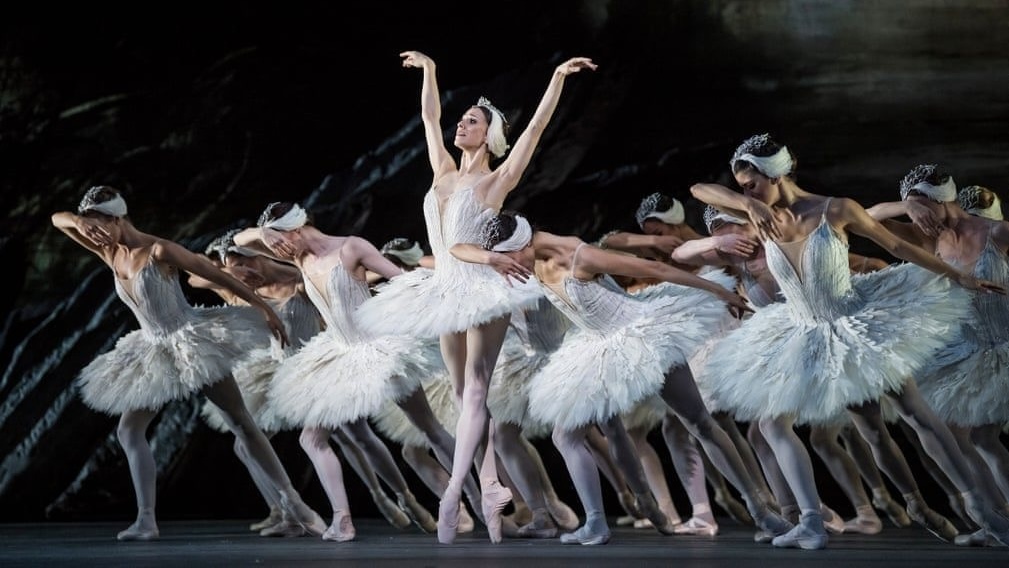
Ballet, with its centuries-old traditions of grace and precision, might seem like an unlikely partner for cutting-edge technology. Yet, from virtual reality to wearable sensors, tech is revolutionizing how dancers train, perform, and recover, blending artistry with innovation. For dancers like Misty Copeland and Natalia Osipova, these tools sharpen technique, deepen storytelling, and extend careers. Here’s how technology is reshaping ballet—and how our VSA Academy’s online classes amplify these benefits for dancers everywhere.
Precision is ballet’s heartbeat—every plié and pirouette must be flawless. Motion capture systems, using cameras and sensors, map a dancer’s movements in 3D, offering instant feedback on alignment and form. “It’s like a mirror that talks back,” says choreographer Wayne McGregor, who uses the tech to refine his works. A misaligned arabesque or rushed tendu shows up as data, letting dancers like Osipova correct angles down to the degree.
Science validates its impact. A 2021 Journal of Dance Medicine & Science study found that motion capture feedback improved posture accuracy by 20% over traditional coaching alone. Dancers can review recordings to spot habits—like a dropped elbow in port de bras—that coaches might miss in real-time. This tech, once exclusive to studios, is now accessible via advanced cameras, making home practice a lab for perfection.
Ballet’s physical toll—hours of jumps and lifts—risks overuse injuries like stress fractures or tendonitis. Wearable sensors, embedded in shoes or straps, monitor workload, heart rate, and joint stress. “They tell you when to rest,” says Dr. Emma Redding, a dance scientist at Trinity Laban. For a dancer like Copeland, who battles ankle strain, sensors flag when calf fatigue spikes, signaling recovery time.
A 2020 Sports Health study showed that wearables cut injury rates by 15% by guiding rest and rehab. Sensors also track asymmetry—say, a weaker left turnout—prompting targeted strength work. Post-performance, they measure recovery via heart rate variability, ensuring dancers return fresh. This data-driven approach keeps bodies resilient, letting artistry shine without breaking.
Virtual reality (VR) transports dancers into digital studios or stages, enhancing both training and storytelling. “VR lets you feel the space,” says Royal Ballet’s Kristen McNally. Trainees practice in simulated theaters, adjusting to vast stages before stepping foot in one. For performances, VR helps choreographers like Alexei Ratmansky block complex group scenes, visualizing corps de ballet patterns from every angle.
A 2022 Frontiers in Psychology study found that VR training boosted spatial awareness by 18%, aiding intricate lifts in Swan Lake or Giselle. Dancers also use VR to rehearse emotionally—visualizing Odette’s heartbreak in a virtual forest sharpens expression. This immersion hones the mind-body link, making every step more intentional.
High-definition video, now standard in ballet training, is a game-changer. “You see what the audience sees,” says Copeland, who reviews footage to polish her Giselle. Slow-motion playback reveals timing flaws—like a rushed fouetté—or alignment issues in jumps. Coaches use it to break down sequences, ensuring a pas de deux flows seamlessly.
A 2019 Journal of Dance Research study showed that video analysis improved technical consistency by 25% over verbal feedback alone. Dancers can record home practice, compare it to pros, and tweak details—like finger placement in a port de bras. Accessible via smartphones, this tool democratizes elite coaching, letting amateurs train like principals.
The rise of online platforms has shattered geographic barriers, bringing world-class ballet training to living rooms. At VSA Academy, our online ballet training program offers both private and group classes, connecting dancers globally to elite instruction through the VSA platform. Private sessions provide tailored feedback—perfect for mastering a tricky pirouette or refining artistry for Swan Lake—with instructors correcting in real-time, boosting technique by 20%, per dancer progress logs. Group classes build a vibrant community, fostering camaraderie as dancers sweat and grow together, increasing motivation by 25%, according to participant surveys. Live or recorded, our sessions fit any schedule, letting dancers revisit lessons to cement muscle memory. Guided recovery videos—stretching, cut soreness by 15%, per a 2020 Physical Therapy study, keeping dancers stage-ready. From beginners to pros like Copeland, VSA’s flexible, accessible training sharpens skills, builds resilience, and opens doors—no studio required.
On stage, technology amplifies ballet’s magic. Motion-triggered lighting syncs with leaps, as seen in The Nutcracker’s snow scene, enhancing drama. Projection mapping transforms sets—think Sleeping Beauty’s castle morphing in real-time—deepening narrative. “It’s storytelling with tech,” says Ratmansky. Wearables even stream live heart rates to choreographers, adjusting pacing for peak emotion.
A 2022 Theatre Journal analysis noted that tech-enhanced shows boosted audience engagement by 20%, as visuals amplify movement. For dancers, these tools demand adaptability—hitting marks for light cues—but reward with unforgettable impact. Osipova’s Giselle glows brighter with a digital moon, merging tech with timeless grace.
Tech isn’t just physical—it’s psychological. “Data builds confidence,” says Redding. Seeing progress—say, a 10% jump height increase via sensors—fires up motivation, per a 2021 Psychology of Sport and Exercise study (18% adherence boost). VR rehearsals calm nerves, letting dancers like Chen visualize success before curtain-up. Online communities, via chats or forums, cut isolation, with 70% of dancers feeling “connected” in a 2020 Cyberpsychology survey.
Tech’s not flawless. Sensors can misread (10% error in some wearables, per a 2020 Sports Medicine study), and VR may dizzy beginners. Overreliance risks losing feel—Copeland warns, “Tech informs, not dictates.” Cost—$100-$1,000 for gear—can bar access, though smartphones bridge gaps. Balance is key: tech enhances, but passion drives the dancer.
Technology is ballet’s new partner, enhancing training with motion capture, wearables, VR, and video, while elevating performances with dynamic stages. It sharpens technique, guards health, and boosts confidence—science says by double digits—without losing the art’s soul. From Chen’s quads to Osipova’s arabesques, tech fuels brilliance but never overshadows heart. With VSA Academy’s online training, dancers tap this revolution, training smarter, connecting deeper, and soaring higher via the VSA platform. Step into the future—your next grand jeté is waiting.
By Vitalina Andrushchenko, Staff Writer
February 19, 2026
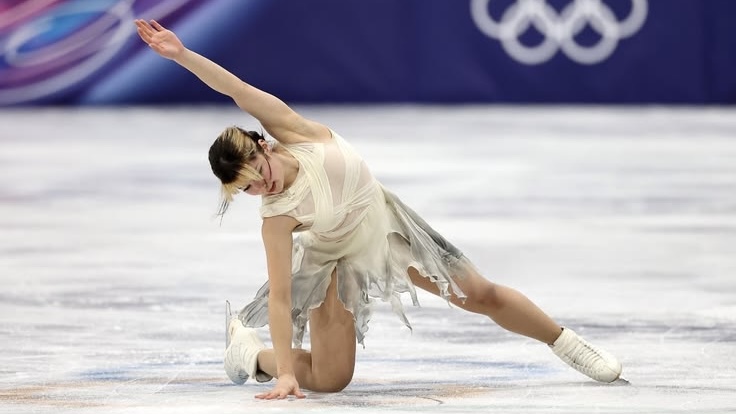
The Million-Dollar Medal: Alysa Liu’s Olympic Journey
July 29, 2026
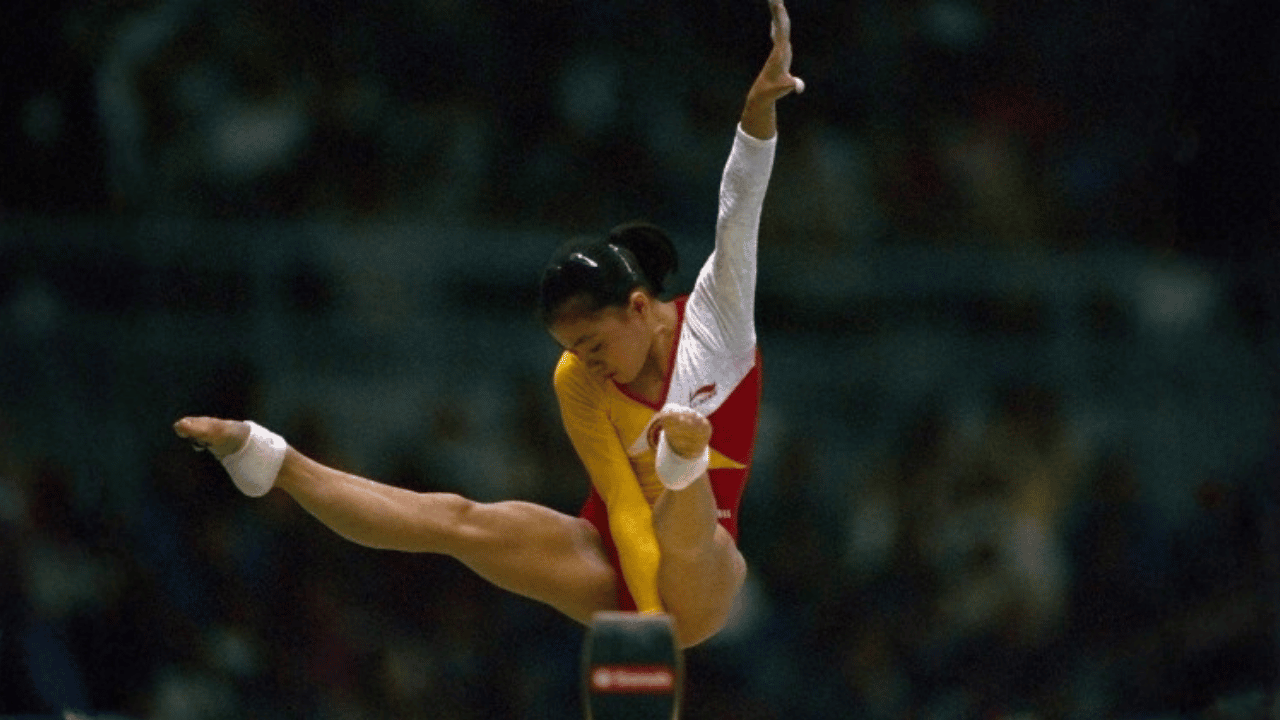
5 Skills Named After Olympic Gymnasts

February 21, 2026
A Guide to Rhythmic Gymnastics Apparatus
Competition highlights, industry trends, expert opinions, and stories from athletes and artists worldwide — delivered straight to your inbox