 English
 中文 (中国)
 Español
February 19, 2026
The Million-Dollar Medal: Alysa Liu’s Olympic Journey
July 02, 2026
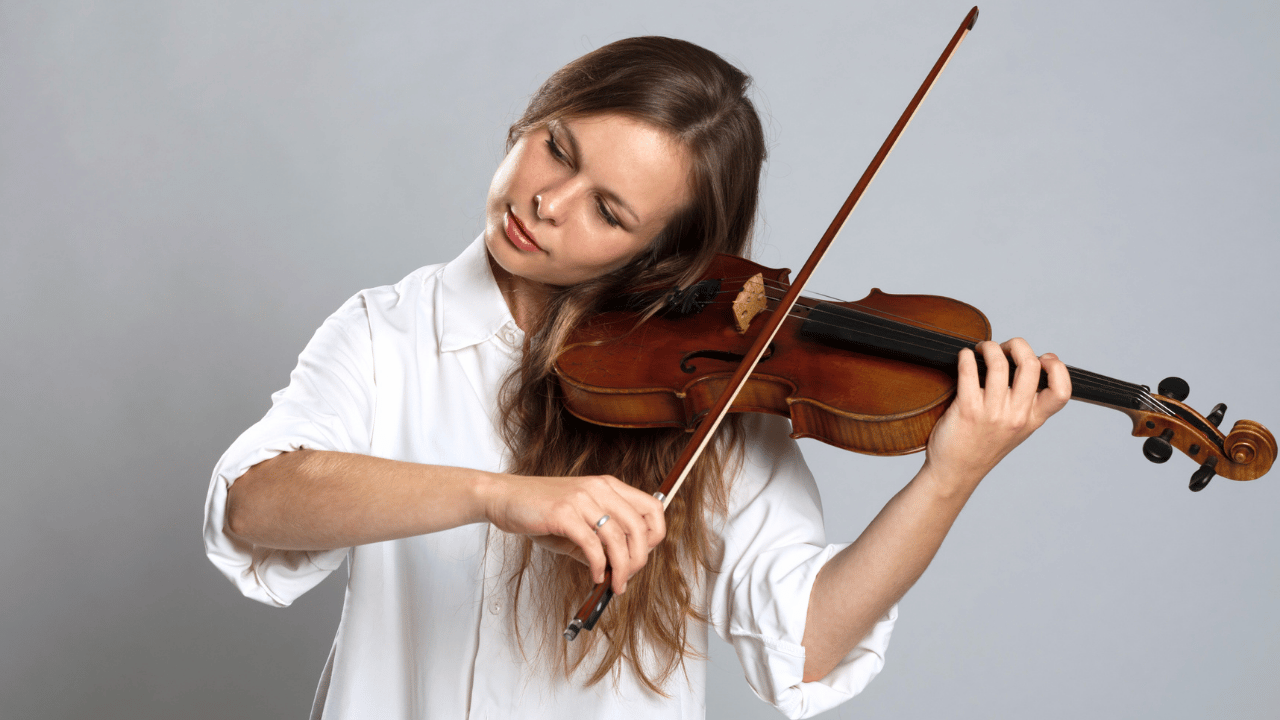
Intonation is one of the most difficult skills every violinist develops. Unlike the piano, where every key produces a fixed pitch, the violin has no frets to guide finger placement. Every note depends on precise hand position, finger pressure, ear training, and muscle memory.
Even professional violinists continue practicing intonation throughout their careers because tiny changes in finger position can noticeably affect pitch. Improving intonation is a gradual process that combines listening, technique, and consistent repetition.
Good intonation begins with good listening.
Before placing your fingers on the string, try singing the note or hearing it mentally. This helps your brain recognize the correct pitch before your hand attempts to produce it. Many teachers encourage students to sing scales because vocal training strengthens pitch recognition and improves musical awareness.
Developing your ear is just as important as training your fingers.
One of the most effective exercises is comparing stopped notes with open strings.
For example, when playing D on the A string, listen carefully to how it matches the open D string. If both notes resonate together without creating noticeable “beats” or vibrations against each other, your intonation is likely accurate.
Practicing double stops with open strings allows violinists to receive immediate feedback from the instrument itself.
Scales remain one of the best tools for improving intonation.
Rather than rushing through them, play slowly while carefully listening to every note. Pause whenever a note sounds slightly sharp or flat, adjust your finger position, and repeat it before moving forward.
Many professional violinists begin every practice session with scales because they build consistency across all positions.
A drone is a continuous reference pitch that helps train your ear.
Practicing scales and melodies over a sustained tonic note teaches your ears to recognize intervals more accurately than relying only on an electronic tuner. Over time, your brain learns to hear when notes naturally fit within the key.
Many conservatories recommend drone practice because it develops relative pitch, an essential skill for string players.
Tension often causes poor intonation.
If the thumb squeezes the neck too tightly or the fingers press harder than necessary, accurate finger placement becomes more difficult. A relaxed hand moves more freely, making small pitch corrections much easier during performance.
Good posture and efficient hand position contribute directly to reliable intonation.
Research on expert musicians has shown that experienced violinists constantly make tiny finger adjustments while playing. These corrections often happen automatically within milliseconds, allowing performers to maintain accurate pitch even during fast passages.
This means excellent intonation is not about placing every finger perfectly the first time, but about developing the ability to hear and correct notes almost instantly.
(Source: Journal of the Acoustical Society of America)
Tuners are valuable learning tools, but they should not become your only reference.
If students watch the tuner more than they listen, ear development slows. A tuner can confirm accuracy after playing a note, but your ears should remain the primary guide.
The goal is to recognize correct pitch without constantly checking a screen.
Recording practice sessions often reveals intonation problems that are difficult to notice while playing.
Listening back allows you to identify recurring mistakes, compare different practice sessions, and track long-term improvement. Many professional musicians use recordings because they provide an objective view of their playing.
Even a short recording once a week can highlight progress over time.
As violinists move into higher positions, finger spacing becomes much smaller.
This means even tiny movements can noticeably change pitch. Practicing shifts slowly, stopping on target notes, and checking intervals carefully helps build confidence in advanced positions.
Accurate intonation in higher positions develops through repetition rather than speed.
Improving violin intonation is a combination of ear training, careful listening, relaxed technique, and consistent daily practice.
Scales, drones, recordings, open-string exercises, and slow repetition all help develop reliable pitch. With time, your ears and fingers begin working together automatically, allowing you to focus less on finding the correct note and more on expressing the music.
Strong intonation is not achieved overnight, but every thoughtful practice session brings you closer to confident and expressive playing.
Achieve More With VSA: Boost your skills with world-class coaches for just $29/hour. Personalized programs 24/7, 365 days a year, anywhere in the world.
By Vitalina Andrushchenko, Staff Writer
February 19, 2026
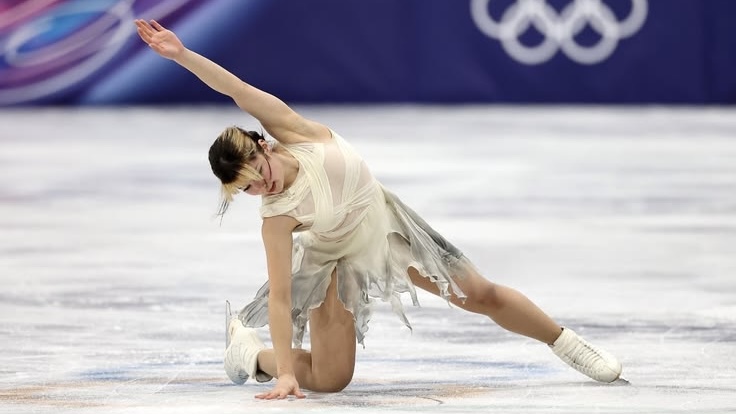
The Million-Dollar Medal: Alysa Liu’s Olympic Journey
January 08, 2026
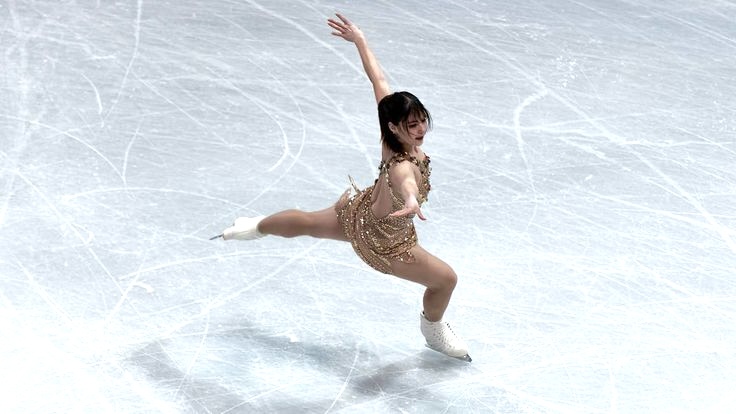
2026 U.S. Skating Nationals Results

February 21, 2026
A Guide to Rhythmic Gymnastics Apparatus
Competition highlights, industry trends, expert opinions, and stories from athletes and artists worldwide — delivered straight to your inbox