 English
 中文 (中国)
 Español
February 19, 2026
The Million-Dollar Medal: Alysa Liu’s Olympic Journey
May 24, 2025
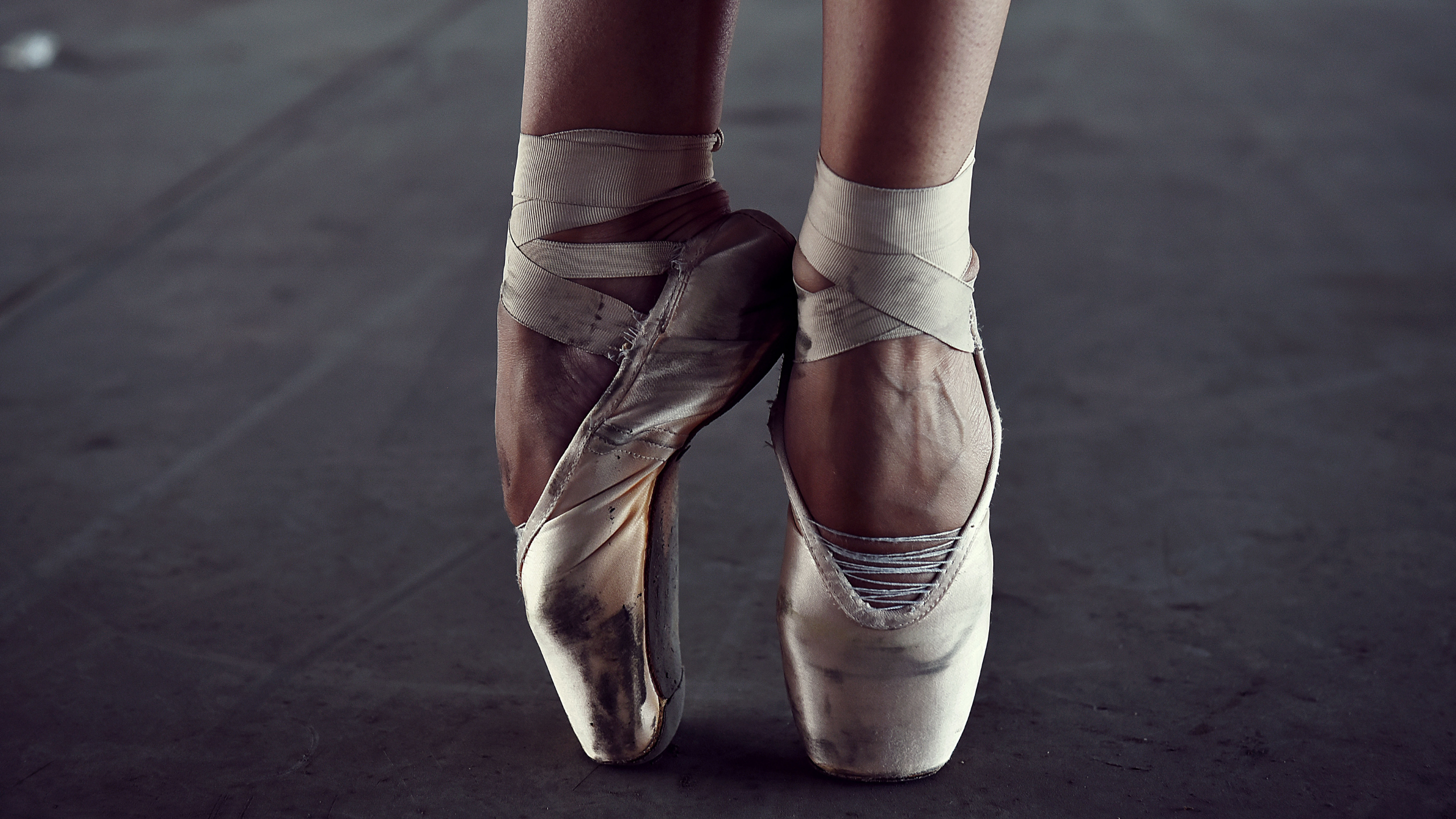
Pointe work, the hallmark of classical ballet, places immense strain on the feet, leading to soreness, swelling, and fatigue. After hours of dancing en pointe, relaxing the feet is essential to prevent chronic pain, reduce injury risk, and maintain long-term foot health. A 2019 Journal of Dance Medicine & Science study found that targeted recovery practices can decrease foot discomfort by 15% and lower injury rates by 10%. This article outlines five evidence-based techniques to relax feet after pointe work, each paired with a practical step-by-step method, offering dancers a comprehensive recovery routine to soothe tired feet and enhance resilience.
Warm Epsom salt baths reduce swelling and relax tight muscles by promoting circulation and easing inflammation. Magnesium sulfate in Epsom salts helps relieve muscle tension, with a 2020 Journal of Sports Sciences study showing a 12% reduction in post-exercise swelling when soaking for 15 minutes. This method is ideal after pointe work to alleviate pressure in the toes and arches.
Stretching the feet post-pointe work relieves tightness in the arches, calves, and toes, improving flexibility and reducing soreness. A 2018 Dance Research Journal study found that gentle stretching after intense dance sessions decreases muscle stiffness by 10% and enhances recovery. These stretches target overworked muscles without straining already fatigued feet.
Ice therapy constricts blood vessels, reducing inflammation and numbing pain in overworked feet, particularly after prolonged pointe sessions. A 2019 Journal of Dance Medicine & Science study reported that 10-minute ice applications reduce post-dance swelling by 15% and alleviate discomfort in 80% of dancers. This method is especially effective for acute soreness or minor bruising.
Self-massage with a tennis ball targets trigger points in the feet, releasing tension and improving blood flow. A 2021 Journal of Sports Rehabilitation study found that 5-minute foot massages increase circulation by 12% and reduce perceived soreness by 10%. This accessible technique helps dancers relax plantar fascia and intrinsic foot muscles strained by pointe work.
Elevating feet post-pointe work promotes venous return, reducing swelling and relieving pressure in the lower extremities. A 2020 Journal of Physical Therapy Science study showed that 15 minutes of elevation decreases foot edema by 10% and enhances comfort. This passive recovery method is simple yet effective for dancers with fatigued feet.
Relaxing feet after pointe work is a vital practice for ballet dancers, countering the strain of dancing en pointe with evidence-based recovery techniques. Epsom salt soaks, gentle stretches, ice therapy, tennis ball massage, and elevation, supported by studies showing 10–15% reductions in swelling and soreness, empower dancers to soothe tired feet and prevent injury. By dedicating 20–30 minutes post-class, tracking progress, and maintaining consistent care, dancers can sustain foot health and dance with confidence. Embrace these methods to nurture your feet, ensuring they carry you gracefully through every pirouette and relevé in your ballet journey.
By Vitalina Andrushchenko, Staff Writer
February 19, 2026
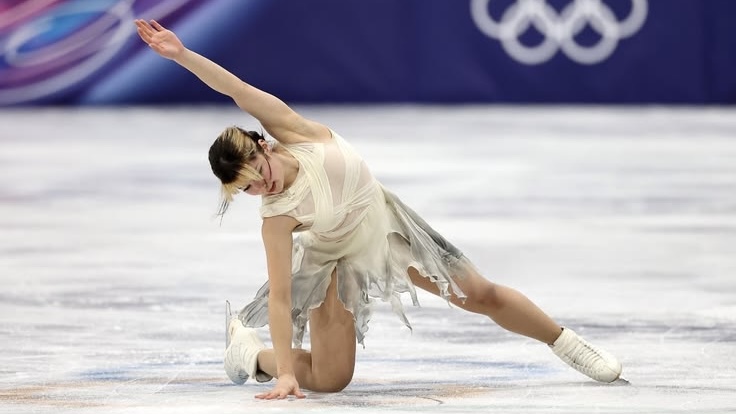
The Million-Dollar Medal: Alysa Liu’s Olympic Journey

December 25, 2025
Nancy Kerrigan’s $10 Million Legacy: Success Beyond the Ice
January 08, 2026
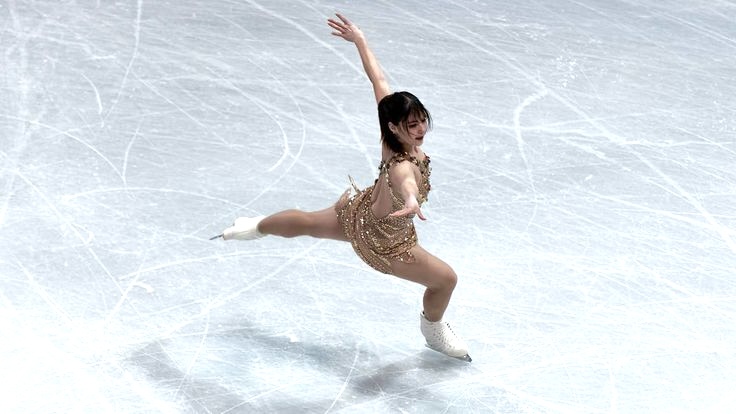
2026 U.S. Skating Nationals Results
Competition highlights, industry trends, expert opinions, and stories from athletes and artists worldwide — delivered straight to your inbox