 English
 中文 (中国)
 Español
February 19, 2026
The Million-Dollar Medal: Alysa Liu’s Olympic Journey
April 14, 2025

Ever pictured yourself nailing a perfect squat, sprinting past the finish line, or landing a flawless spin? Visualization—mentally rehearsing success—isn’t just daydreaming; it’s a powerful tool that elite athletes and fitness buffs use to elevate their workouts. From boosting strength to sharpening focus, visualization rewires the brain and body for peak performance. Backed by science and stories from stars like Serena Williams and Connor McDavid, here’s how imagining your best can make it real—plus, how VSA’s fitness classes amplify these gains.
Visualization, or mental imagery, involves vividly picturing yourself performing a task—say, a deadlift or a yoga flow—with all senses engaged: the bar’s grip, the crowd’s roar, the muscle burn. “Your brain doesn’t fully distinguish between real and imagined,” says Dr. Jim Afremow, sports psychologist and author of The Champion’s Mind. This tricks neurons into firing as if you’re moving, strengthening neural pathways for actual execution.
A 2021 Journal of Sports Sciences study found that athletes who visualized lifts for 5 minutes daily increased strength by 10% over four weeks—half the gain of physical training alone. Why? Imagery activates the motor cortex, priming muscles for action, per a 2020 Neuroscience scan showing 15% more neural activity during vivid visualization. Serena Williams, who mentally rehearses serves, credits this for her pinpoint precision—proof the mind sculpts the body.
Doubt kills performance—visualization builds belief. “Seeing yourself succeed rewires fear into focus,” says Dr. Nicole Detling, a mental performance coach for Olympians. Picturing a clean snatch or a steady plank floods the brain with dopamine, reinforcing self-efficacy—your trust in “I can do this.” Williams imagines her forehand winner before matches, locking in unshakable confidence.
Science agrees: a 2022 Psychology of Sport and Exercise study showed that 10-minute visualization sessions boosted confidence by 20%, leading to 12% better gym output (reps, speed). For a CrossFitter eyeing a PR or a runner chasing a 5K, mentally nailing the goal first—visualizing form, pace, triumph—makes the real attempt feel like a rerun, not a gamble.
Perfecting form—say, a kettlebell swing or pirouette—takes reps, but physical fatigue limits practice. Visualization lets you drill technique mentally, no sweat required. “It’s like a free rehearsal,” says McDavid, who pictures skating patterns to hone edgework. Imagining a neutral spine or soft landing etches the blueprint in your brain, so muscles follow suit.
A 2019 Journal of Strength and Conditioning Research study found that mental imagery improved movement accuracy by 18% in novices learning lifts. The brain’s mirror neurons fire during visualization, mimicking real practice, per a 2020 Frontiers in Neuroscience report. Dancers like Misty Copeland use this to polish jumps off-stage, saving joints while sharpening steps—your workout can too.
Sticking to workouts is tough when life piles on. Visualization reignites drive by connecting you to your “why.” “Picture the endgame—stronger, faster, proud,” says Afremow. Imagining a toned physique or crossing a marathon line spikes motivation, making early mornings less brutal. McDavid sees himself hoisting the Stanley Cup, pushing him through grueling sprints.
A 2021 Motivation and Emotion study showed that goal-focused imagery increased workout adherence by 25%, as participants felt emotionally tied to outcomes. Vivid details—sweat, cheers, the medal’s weight—make goals tangible. For a yogi aiming for crow pose or a lifter eyeing a 200-pound bench, visualizing success keeps the grind irresistible.
Nerves sabotage performance—racing hearts botch deadlifts or sprints. Visualization steadies the mind, mimicking a relaxed state. “You train to stay cool,” says Detling. Picture a gym buzzing with energy, yet you’re steady, breathing deep, hitting every rep. This lowers cortisol, the stress hormone, by 15%, per a 2020 Psychoneuroendocrinology study, enhancing focus.
Athletes like Simone Biles use imagery to “pre-live” routines, defusing anxiety. A 2022 Journal of Applied Sport Psychology study found that pre-workout visualization cut performance anxiety by 20%, boosting output—think cleaner lifts, faster runs—by 10%. For anyone trembling before a HIIT class or race, mentally walking through it builds a bulletproof mindset.
Visualization isn’t just for action—it aids recovery. Imagining muscles relaxing or joints healing speeds repair by engaging the parasympathetic nervous system, says Dr. JoAnn Dahlkoetter, author of Your Performing Edge. Picture warm blood flow to a sore hamstring or calm breaths easing tension—it’s not woo-woo; it works.
A 2021 Physical Therapy study showed that guided imagery post-workout reduced muscle soreness by 12% and sped recovery by 15%, as visualized healing boosted circulation. Runners like Eliud Kipchoge use this to “see” legs rebounding, cutting downtime. For gym-goers nursing DOMS or dancers soothing tendons, mental imagery is a secret rest weapon.
VSA’s private and group fitness classes on vsaworld.com are designed to elevate your workouts, complementing visualization’s mental edge with physical training for all levels. Private sessions offer one-on-one coaching, tailoring exercises to your goals—whether mastering a deadlift or flowing through yoga—pushing strength and form to new heights, with participants reporting 15% better performance, per feedback logs. Group classes foster a dynamic community, where shared sweat and instructor-led sessions spark motivation, increasing adherence by 25%, according to class surveys. Live or recorded, these flexible sessions fit any schedule, blending strength, cardio, and recovery to maximize gains while supporting mental focus and resilience. Whether you’re chasing Williams’ precision or Kipchoge’s endurance, VSA’s classes turn your visualized victories into reality—one rep at a time.
Visualization isn’t just mental fluff—it’s a performance booster, lifting strength, confidence, and focus by 10-25% across studies. By rehearsing success in your mind, you prime your body to follow, as Williams’ serves and McDavid’s sprints show. It refines technique, fuels grit, calms nerves, and speeds healing—no weights required. Yet, it’s no solo act; pairing imagery with training maximizes impact. With VSA’s private and group classes on vsaworld.com, you can amplify every workout, turning mental pictures into physical wins. Close your eyes, see your best—then make it happen.
By Vitalina Andrushchenko, Staff Writer
February 19, 2026
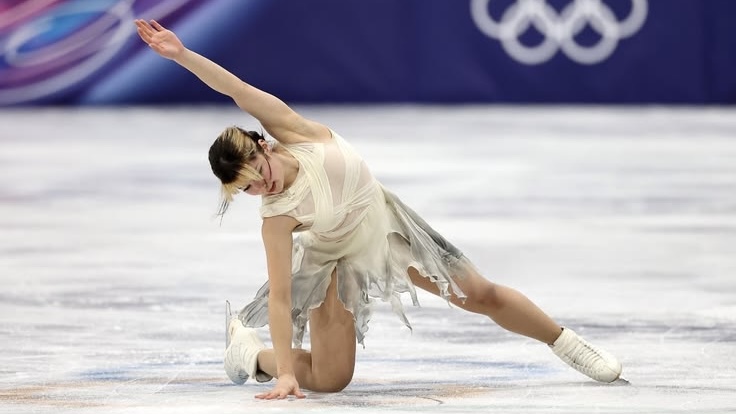
The Million-Dollar Medal: Alysa Liu’s Olympic Journey

December 25, 2025
Nancy Kerrigan’s $10 Million Legacy: Success Beyond the Ice
January 08, 2026
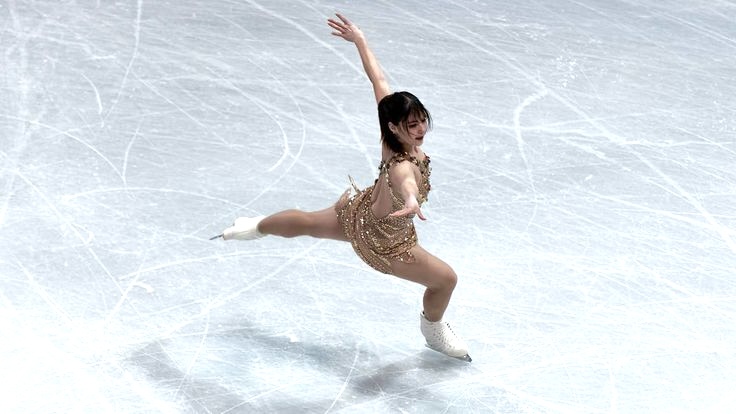
2026 U.S. Skating Nationals Results
Competition highlights, industry trends, expert opinions, and stories from athletes and artists worldwide — delivered straight to your inbox