 English
 中文 (中国)
 Español
December 25, 2025
Nancy Kerrigan’s $10 Million Legacy: Success Beyond the Ice
May 12, 2026
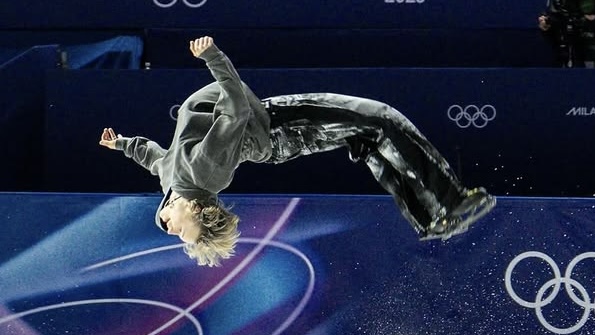
Before the 2026 Winter Olympics, Ilia Malinin looked almost unstoppable. The American skater had not lost an international competition in more than two years and entered Milano Cortina 2026 as one of the biggest favorites for Olympic gold.
Fans, media, and the skating world expected history from the “Quad God.” But instead of a perfect Olympic moment, Malinin finished eighth after multiple mistakes in his free skate — a result that shocked both fans and the figure skating community.
Months later, Malinin admitted that the pressure surrounding the Olympics became overwhelming.
In recent interviews, Malinin reflected honestly on what happened during the Games. He explained that leading into the Olympics, he focused too much on meeting everyone else’s expectations instead of protecting his own mental state.
According to Malinin, constant attention, media demands, and outside pressure slowly built up before the competition. By the time he stepped onto Olympic ice, the emotional weight had already become difficult to manage.
His comments revealed something many athletes experience but rarely discuss openly: even the strongest competitors can struggle when pressure becomes larger than the sport itself.
For many athletes, the Olympics create a completely different emotional environment compared to regular competitions.
At normal events, skaters focus mainly on performance and training. During the Olympics, however, attention comes from everywhere — social media, television, sponsors, interviews, and millions of viewers around the world.
Even athletes who are technically prepared may feel mentally overwhelmed by the idea that “everything depends on this one moment.” In sports like figure skating, where precision matters on every jump and landing, mental pressure can immediately affect performance quality.
Malinin later explained that all the “small things” added together over time, eventually becoming too heavy emotionally.
Only one month after the Olympics, Malinin returned to competition at the 2026 World Championships in Prague and won his third consecutive world title.
This time, however, he described the atmosphere very differently. Instead of feeling crushed by expectations, he said he competed simply because he loved skating again.
That emotional shift appeared to completely change his performance energy. Malinin looked calmer, freer, and more relaxed compared to the Olympic Games.
His experience shows how strongly mindset can affect elite athletes — sometimes even more than technical ability itself.
After the season, Malinin joined the Stars on Ice tour across the United States and Japan. Away from Olympic pressure, he described the experience as having a “completely different vibe.”
Tour performances allowed him to skate without judges, rankings, or expectations. Instead of competing for medals, he focused on performing for audiences and reconnecting with the joy of skating.
He also launched a YouTube channel, giving fans a more personal look into his life beyond competition. The rapid growth of his audience showed that many fans connected not only with his jumps and records, but also with his honesty and vulnerability after the Olympics.
One reason Malinin’s reflections received so much attention is because they reminded people that elite athletes are still human beings.
From the outside, top competitors can appear fearless and emotionally untouchable. But behind the scenes, they often carry enormous pressure from expectations, fame, and constant public attention.
Malinin openly speaking about burnout, emotional stress, and uncertainty about the future made many fans respect him even more. Instead of pretending everything was perfect, he showed a more realistic side of high-level sport.
At only 21 years old, Malinin has already changed modern figure skating with his technical ability and quad jumps. However, after four intense years leading to the Olympics, he admitted he may take time away from competition to recover mentally and physically.
Rather than making immediate decisions about the next season, he said he wants to “feel it out” and take things one step at a time.
For many fans, that may be the most important lesson from his season: success in sport is not only about medals, but also about learning how to protect passion, balance, and mental well-being under extreme pressure.
Achieve More With VSA: Boost your skills with world-class coaches for just $29/hour. Personalized programs 24/7, 365 days a year, anywhere in the world.
By Vitalina Andrushchenko, Staff Writer
Source: article by Nick McCarvel on olympics.com, published May 11, 2026.

December 25, 2025
Nancy Kerrigan’s $10 Million Legacy: Success Beyond the Ice
February 19, 2026
The Million-Dollar Medal: Alysa Liu’s Olympic Journey
January 08, 2026
2026 U.S. Skating Nationals Results
Competition highlights, industry trends, expert opinions, and stories from athletes and artists worldwide — delivered straight to your inbox