 English
 中文 (中国)
 Español
July 29, 2026
5 Skills Named After Olympic Gymnasts
April 12, 2025
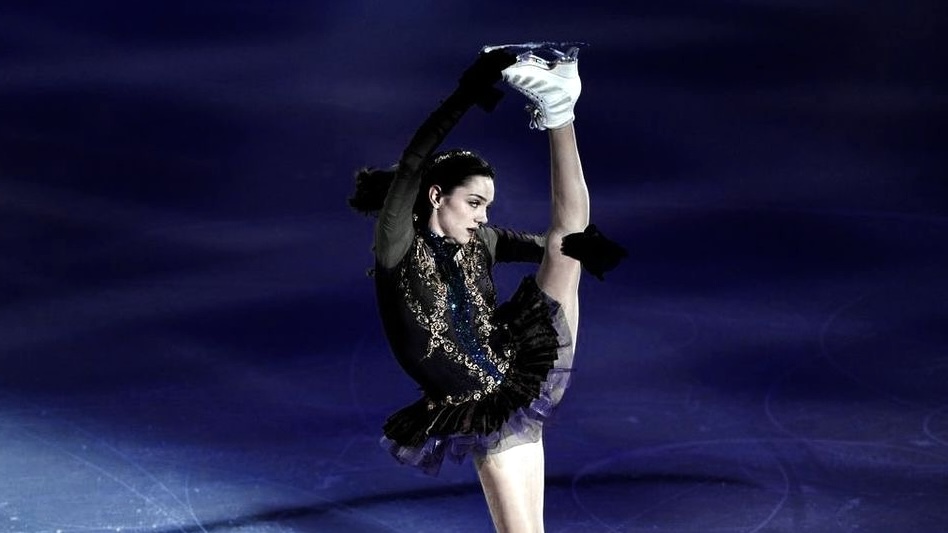
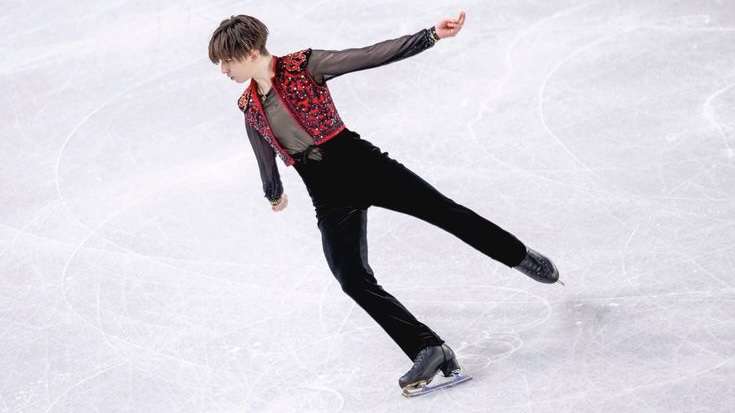
Figure skating blends artistry with athleticism, demanding spins at 300 RPM, jumps that defy gravity, and landings that test resilience—all on a blade’s edge. But the sport’s beauty comes with risks: ankle sprains, stress fractures, and hip strains lurk for skaters like Yuzuru Hanyu or Nathan Chen, who push their bodies to the limit. Preventing injuries isn’t just about luck—it’s a science-backed strategy that keeps athletes gliding rather than sidelined. Here’s how figure skaters can stay safe, strong, and soaring.
Figure skating’s demands—repetitive jumps, tight boots, and icy impacts—create unique injury patterns. “It’s a high-load sport on a low-friction surface,” says Dr. Emily Kraus, a sports medicine physician at Stanford. Common injuries include:
Knowing these risks shapes prevention—target the body’s weak points with precision.
Strength is armor against injury. “Core and lower-body power absorb impact,” says strength coach Matt Price, who’s worked with Olympic skaters. A strong core—think planks or Russian twists—stabilizes landings, reducing ankle and knee stress. Glute exercises, like single-leg bridges, protect hips during spirals or Biellmann spins.
Science proves it: a 2019 Journal of Strength and Conditioning Research study found that skaters with 20% stronger cores cut injury rates by 25%. For quads and calves, try squats or calf raises—3 sets of 12, twice weekly. Chen’s chiseled physique isn’t just for show; it’s a buffer against the ice’s punishment. Off-ice strength sessions (2-3 times a week) build resilience without overtaxing joints.
Flexibility prevents strains by expanding range of motion (ROM). “Loose muscles handle twists better,” says physical therapist Dr. Lisa Giannone, who treats skaters. Daily stretches—hamstrings, hip flexors, shoulders—keep joints supple for laybacks or spread eagles. Yuna Kim’s iconic flexibility, honed through yoga, let her flow through spins without snapping tendons.
A 2020 Sports Health study showed that 10 minutes of dynamic stretching (leg swings, arm circles) pre-practice slashed muscle strains by 30%. Post-session, static holds—like a 30-second pigeon pose—boost recovery, cutting soreness by 15%, per a 2021 Physical Therapy study. For pairs skaters like Sui Wenjing, flexible hips and backs are lifelines during lifts, dodging pulls mid-twist.
Flawed form invites injury. “Bad landings multiply force,” says biomechanist Dr. Deborah King. A misaligned knee on a triple loop can spike joint stress by 40%, per a 2019 Journal of Biomechanics study. Skaters like Hanyu drill technique—neutral spine, soft knees, centered weight—to spread impact evenly.
Work with coaches to refine jumps: toe-pick at optimal angles (15-20° for Axels), land on the ball of the foot, roll to absorb shock. Ice dancers, like Tessa Virtue, focus on edge control to avoid ankle rolls. Video analysis—weekly reviews—catches errors early. “Every rep builds safety,” Chen says, whose quad landings are textbook for a reason.
Equipment matters. “Boots are your foundation,” says skate tech Eddie Shipstad. Ill-fitting or worn-out boots—common after 300 hours—destabilize ankles, hiking sprain risk by 20%, per a 2020 Journal of Sports Sciences study. Custom boots, molded to your foot, and blades sharpened monthly keep control tight. Replace boots yearly for elites; every 18 months for amateurs.
Padding’s key too. Hip pads or crash shorts, used by skaters like Evgenia Medvedeva, cut bruise and fracture risk during falls—10% fewer injuries, says a 2021 Clinical Journal of Sport Medicine report. Wrist guards for beginners protect against slams. Check gear fit before every session—stability starts at the sole.
Overtraining is a silent saboteur. “Rest rebuilds,” says Kraus. Skaters averaging 20+ rink hours weekly—like most elites—face 30% higher injury odds without downtime, per a 2019 British Journal of Sports Medicine study. Schedule 1-2 rest days weekly; ice dancers might cross-train with Pilates to stay active without impact.
Sleep’s non-negotiable—7-9 hours nightly. A 2020 Sleep Medicine study linked 8+ hours to 25% lower stress fractures, as growth hormone repairs bones. Post-practice, foam roll (5-10 min) to ease muscle knots—Hanyu’s habit—reducing soreness by 18%, per a 2021 Journal of Bodywork and Movement Therapies. Ice baths (10 min at 50°F) after long sessions curb inflammation, a trick Kim swore by.
Pain isn’t a badge—it’s a warning. “Ignoring twinges risks months out,” Giannone warns. A 2022 Orthopaedic Journal of Sports Medicine survey found 40% of skaters skated through pain, doubling injury severity. Log discomfort—soreness vs. sharp stabs—and consult physios early. Medvedeva’s early hip checks caught strains before they tore, keeping her competitive.
Mental health ties in too. Stress spikes cortisol, tightening muscles and upping injury risk by 15%, per a 2020 Psychology of Sport and Exercise study. Mindfulness—5-minute breathing drills—calms the system, a tactic Virtue used pre-performance. If fatigue or burnout looms, scale back—your body’s smarter than your ambition.
Strong bones and muscles need fuel. “Calcium and protein are your allies,” says dietitian Nancy Clark. Aim for 1,200 mg calcium (milk, fortified juice) and 1.2-1.6 g/kg protein (chicken, tofu) daily to fortify against fractures and tears. A 2021 Nutrients study linked adequate vitamin D (800 IU, from fish or sun) to 20% fewer bone injuries—crucial for skaters landing 50 jumps daily.
Hydrate—2-3 liters water daily—to keep tendons pliable; dehydration ups strain risk by 10%, per a 2020 Journal of Athletic Training. Pre-practice carbs (oats, bananas) stabilize energy, preventing fatigue-induced slips, a habit Chen leans on.
Injury prevention for figure skaters isn’t guesswork—it’s a playbook of strength, flexibility, technique, gear, recovery, and awareness. Science shows it works: stronger cores, looser hips, sharper form, and smarter rest cut risks by double digits, keeping you spinning like Hanyu or soaring like Kim. Listen to your body, equip it right, and fuel it well—every glide’s a choice to skate safe. The ice rewards those who prepare, not just those who dare. So stretch, strengthen, and glide on—your next performance depends on it.
By Vitalina Andrushchenko, Staff Writer
July 29, 2026
5 Skills Named After Olympic Gymnasts
March 17, 2026
Hall of Fame: ISU Figure Skating Awards Winners
March 05, 2026
Nakata Sets Record in Tallinn
Competition highlights, industry trends, expert opinions, and stories from athletes and artists worldwide — delivered straight to your inbox