
 English
 中文 (中国)
 Español
February 19, 2026
The Million-Dollar Medal: Alysa Liu’s Olympic Journey
July 12, 2025
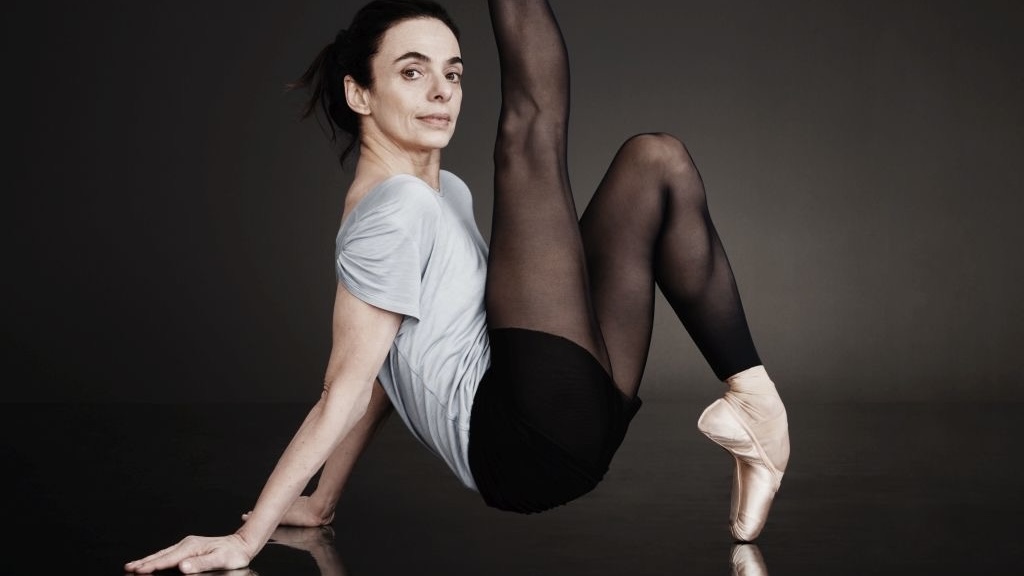
Italy, the birthplace of ballet during the Renaissance, has produced some of the world’s most iconic ballerinas, whose artistry and innovation have shaped the art form for centuries. From the technical brilliance of Pierina Legnani to the emotional depth of Carla Fracci and the enduring legacy of Alessandra Ferri, these dancers have elevated Italian ballet to global acclaim. This article celebrates their contributions, exploring their groundbreaking achievements and lasting impact on the dance world.
Pierina Legnani (1863–1930), born in Milan, is celebrated as one of the greatest ballerinas in history and the first to earn the title of prima ballerina assoluta at the Imperial Ballet in St. Petersburg. Trained by Caterina Beretta, Legnani debuted at Milan’s La Scala and later dazzled audiences in London, Paris, and Madrid. Her 1893 debut in Cinderella at the Mariinsky Theatre introduced the now-iconic sequence of 32 fouettés en tournant, a feat of strength and precision that thrilled audiences and set a new standard for technical virtuosity. Legnani created the dual role of Odette-Odile in the 1895 Petipa-Ivanov Swan Lake and starred in ballets like Raymonda (1898) and La Camargo (1901). After retiring in 1910, she served on La Scala’s examining board, leaving a legacy of technical excellence that inspired Russian ballet’s brilliance. Her autographed pointe shoe, displayed at St. Petersburg’s Theatre Museum, remains a testament to her artistry.
Carla Fracci (1936–2021), born in Milan, was Italy’s grande dame of ballet, renowned for her emotional expressiveness and nicknamed “the Duse of the dance” after actress Eleonora Duse. Entering La Scala’s ballet school in 1946, Fracci debuted professionally in 1955 and became a leading dancer at La Scala, later performing with international companies like the Royal Ballet, Stuttgart Ballet, and American Ballet Theatre. Her interpretations of Romantic ballets—Giselle, La Sylphide, Swan Lake, and Romeo and Juliet—captivated audiences, as she merged with her characters through naturalness and emotional depth. Fracci danced with legends like Rudolf Nureyev and Mikhail Baryshnikov, earning the prima ballerina assoluta title from The New York Times in 1981. In the 1970s, she co-founded the Compagnia Italiana di Balletto, bringing ballet to small Italian towns and inspiring dancers like Alessandra Ferri and Roberto Bolle. Fracci’s later roles as a director at Teatro San Carol and Teatro dell’Opera di Roma, plus honors from the Italian government, cemented her as a cultural icon.
Alessandra Ferri (born 1963 in Milan) is a contemporary prima ballerina assoluta whose career blends technical prowess with dramatic artistry. Trained at La Scala and the Royal Ballet School, Ferri won a scholarship at the 1980 Prix de Lausanne and joined the Royal Ballet, becoming a principal dancer in 1983. Attracted by Mikhail Baryshnikov’s direction, she joined American Ballet Theatre, later returning to La Scala as a star. Her performances in Romeo and Juliet—notably her farewell with Roberto Bolle in 2007—showcased her emotive power. After a brief retirement in 2007, Ferri made a triumphant comeback in 2013, continuing to perform globally. As La Scala’s prima ballerina assoluta from 1992 to 2007, she carried forward Italy’s ballet legacy, inspiring new generations with her versatility and passion. Her collaboration with international companies and choreographers has kept Italian ballet vibrant on the world stage.
Italy’s contribution to ballet began in the Renaissance courts, with figures like Caterina de’ Medici exporting dance to France, where the term “ballet” (from Italian balletto) was coined. The 19th century saw Italian ballerinas like Marie Taglioni and Fanny Cerrito innovate techniques such as en pointe dancing and the tutu, while Enrico Cecchetti’s teaching method shaped global ballet training. Legnani, Fracci, and Ferri built on this foundation, each earning the rare prima ballerina assoluta title for their extraordinary contributions. Their work at La Scala and beyond has made Italian ballet synonymous with elegance, strength, and emotional storytelling.
These ballerinas have left an indelible mark, inspiring dancers worldwide through their technical innovations, expressive performances, and dedication to ballet’s growth. Legnani’s fouettés remain a benchmark, Fracci’s outreach brought ballet to the masses, and Ferri’s ongoing career shows the art form’s timelessness. For aspiring dancers, their stories—rooted in discipline and artistry—offer a roadmap to excellence. As La Scala continues to nurture talents like Roberto Bolle, Italy’s ballet legacy thrives, a testament to these iconic women.
Achieve More With VSA: Boost your skills with world-class coaches for just $29/hour. Perfect for skaters, hockey players, dancers, and athletes, VSA offers personalized training 24/7, 365 days a year, anywhere in the world.
By Vitalina Andrushchenko, Staff Writer
February 19, 2026
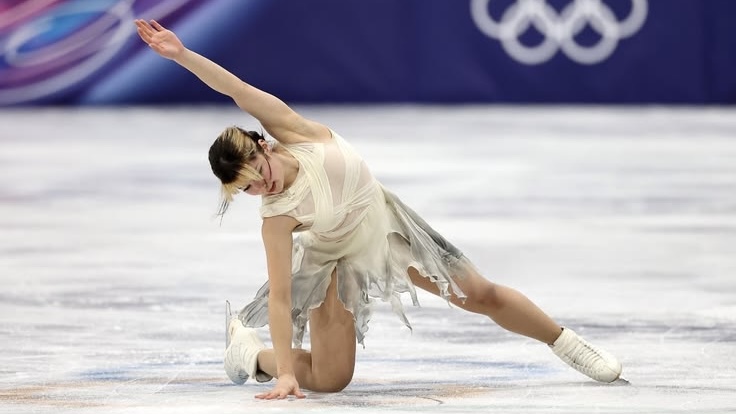
The Million-Dollar Medal: Alysa Liu’s Olympic Journey

December 25, 2025
Nancy Kerrigan’s $10 Million Legacy: Success Beyond the Ice
January 08, 2026
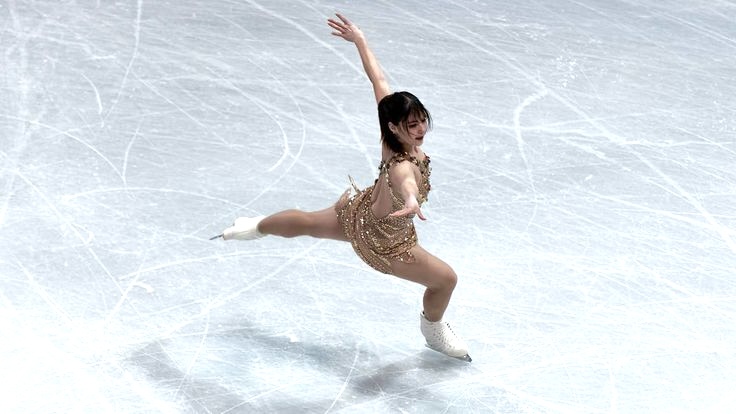
2026 U.S. Skating Nationals Results
Competition highlights, industry trends, expert opinions, and stories from athletes and artists worldwide — delivered straight to your inbox