 English
 中文 (中国)
 Español
February 19, 2026
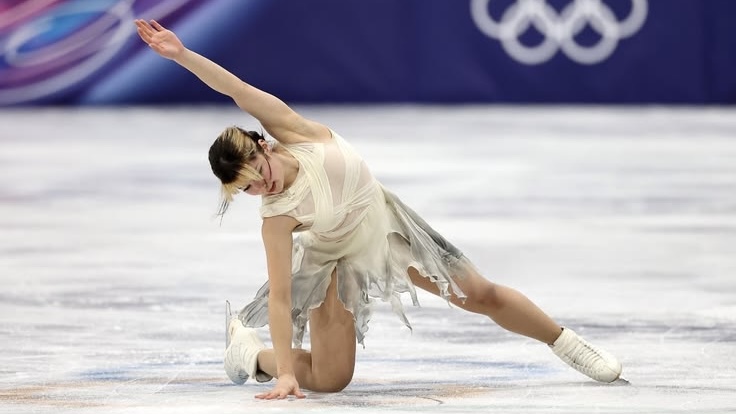
The Million-Dollar Medal: Alysa Liu’s Olympic Journey
July 02, 2025
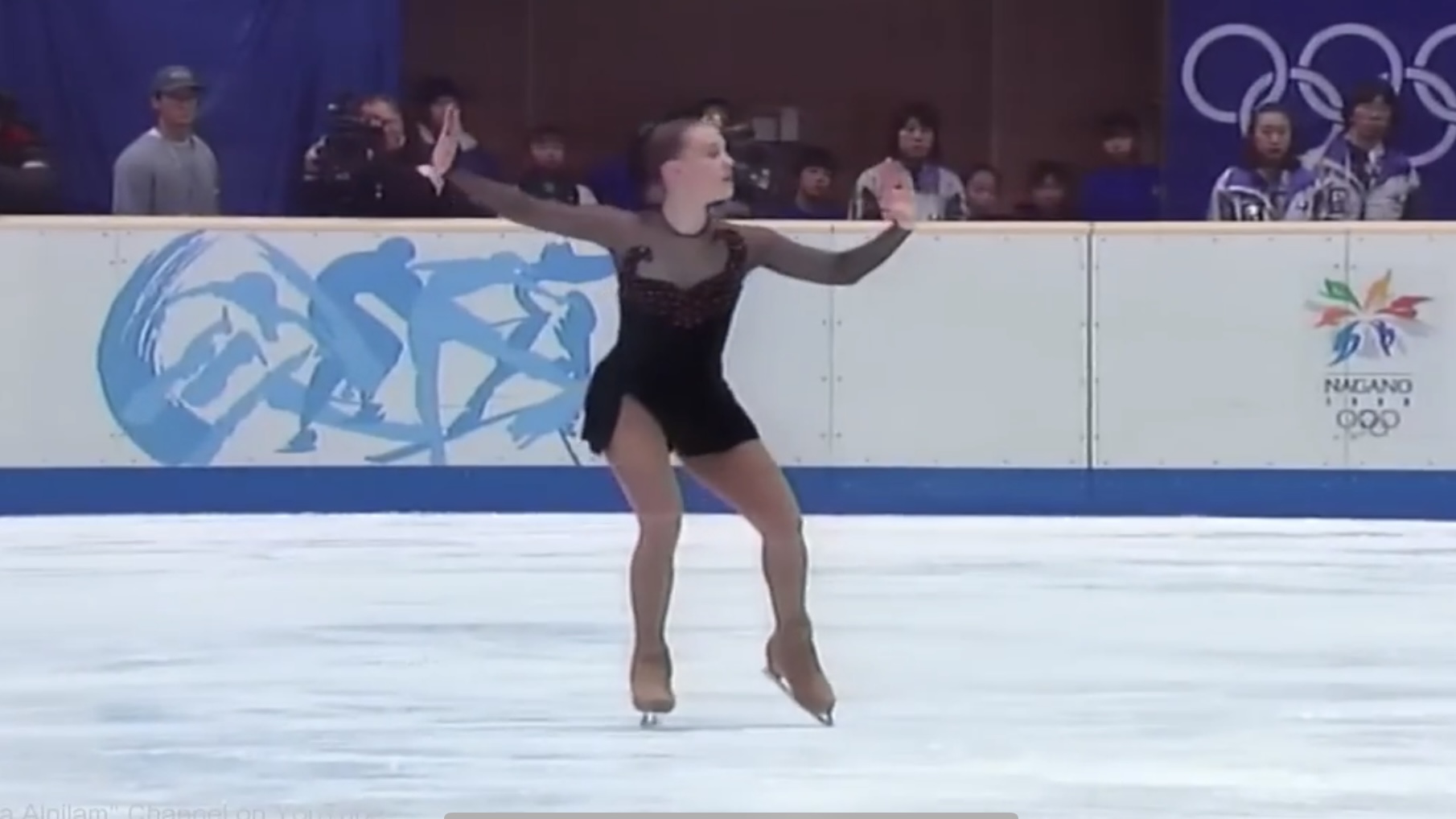
In the world of figure skating, where grace meets grit, Joanne “Jo” Carter stands out as Australia’s most celebrated female skater. Born on April 17, 1980, in Sydney, Carter carved a remarkable path in a sport where Australia has historically faced challenges due to limited ice rinks and resources. With seven national titles, two Olympic appearances, and a legacy of resilience, Carter’s story is one of determination, technical prowess, and inspiration for future generations of Australian skaters.
Carter began skating at a young age, training at rinks in Sydney under coaches who recognized her potential despite Australia’s sparse figure skating infrastructure. Her talent shone early, as she claimed seven Australian National Senior Ladies titles, a record in women’s singles, as noted by Ice Skating Australia. Her technical skill and artistry propelled her to international stages, where she competed against the world’s best, often as one of the few Australians in the field. By her teens, Carter was already making waves, earning a spot at the 1997 World Championships in Lausanne, Switzerland, where she finished an impressive 11th, Australia’s best result in ladies’ figure skating at the time.
Carter’s pinnacle came at the 1998 Winter Olympics in Nagano, Japan, where she placed 12th overall, the highest ranking ever for an Australian female skater. At just 17, she showcased her ability to compete on the global stage, performing complex spins and jumps with poise. Her preparation for Nagano included a silver medal at the 1996 Golden Spin of Zagreb and strong showings at events like the Piruetten in Hamar, where she finished 13th at the 1998 World Championships post-Olympics. Carter returned for her second Olympics in 2006 in Torino, Italy, further cementing her status as a trailblazer. Though she didn’t replicate her Nagano result, her consistency and longevity in the sport were remarkable, especially in a country with limited winter sports support.
Carter’s career was not without challenges. A major knee injury sidelined her for nearly two years after the 1998 season, testing her resilience. Despite this setback, she returned to competition, demonstrating the mental and physical toughness that defined her career. Training in Australia, where ice rinks are scarce compared to powerhouses like the United States or Russia, meant Carter often had to travel abroad for elite coaching and facilities. Her ability to compete at the highest levels despite these obstacles highlights her dedication and skill, making her achievements even more significant.
Beyond her competitive record, Carter’s influence on Australian figure skating is profound. As a seven-time national champion, she set a benchmark for excellence, inspiring skaters like Harley Windsor and Ekaterina Alexandrovskaya, who later made history as Australia’s first Junior World Champions in pairs in 2017. Her success helped raise the profile of figure skating in Australia, encouraging investment in rinks and coaching, as seen in the growth of facilities like the Ringwood Ice Skating Rink. Carter’s international performances also put Australia on the map in a sport dominated by northern hemisphere nations, proving that talent and hard work can overcome geographic barriers.
Carter’s contributions extend to coaching and mentoring, where she has shared her expertise with younger skaters. Her role as a nationally accredited coach and her involvement in programs like the Aussie Skate program in Perth reflect her commitment to growing the sport. Her story resonates with fans on platforms like Reddit, where Australian skating enthusiasts lament systemic challenges but celebrate pioneers like Carter for their groundbreaking achievements.
Joanne Carter’s journey from a Sydney rink to the Olympic stage is a testament to her talent, perseverance, and passion for figure skating. Her record-setting seven national titles, historic 12th-place finish at the 1998 Olympics, and ability to overcome injury have made her a legend in Australian sports. In a country better known for summer sports, Carter’s legacy shines as a beacon for aspiring winter athletes, proving that with determination, even the smallest skating communities can produce world-class talent. As Australia looks to the Milano-Cortina 2026 Olympics, Carter’s trailblazing path continues to inspire the next generation to glide toward greatness.
Achieve More With VSA: Boost your skills with world-class coaches for just $29/hour. Perfect for skaters, hockey players, dancers, and athletes, VSA offers personalized training 24/7, 365 days a year, anywhere in the world.
By Vitalina Andrushchenko, Staff Writer
February 19, 2026
The Million-Dollar Medal: Alysa Liu’s Olympic Journey

December 25, 2025
Nancy Kerrigan’s $10 Million Legacy: Success Beyond the Ice
January 08, 2026
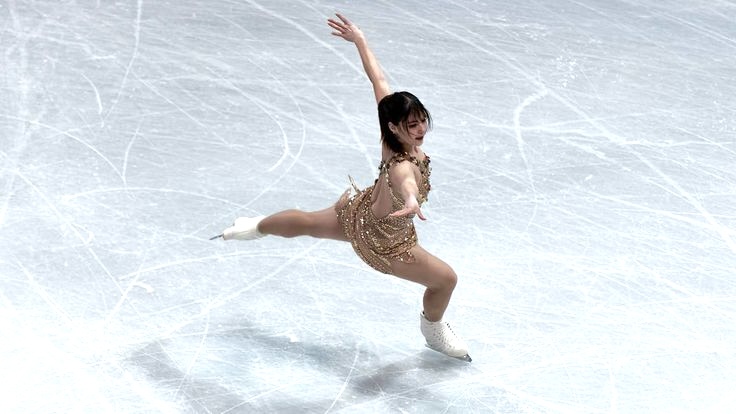
2026 U.S. Skating Nationals Results
Competition highlights, industry trends, expert opinions, and stories from athletes and artists worldwide — delivered straight to your inbox