 English
 中文 (中国)
 Español
July 29, 2026
5 Skills Named After Olympic Gymnasts
September 18, 2025

When you watch an Olympic figure skater soar through a triple axel or hold a flawless spiral, it’s easy to be mesmerized by their on-ice brilliance. But the real magic happens away from the rink, in the gym, studio, or training room. Off-ice training is the cornerstone of every spin, jump, and glide, a fact Olympic champions swear by. “Off-ice work is where I built the strength and confidence to push my limits,” said Olympic gold medalist Yuna Kim, reflecting on her preparation for the 2010 Vancouver Games. Olympics.com, February 10, 2020. For figure skaters—whether you’re aiming for a podium or mastering your first loop—off-ice training is the most critical part of preparation. It builds the power, flexibility, and mental toughness needed to excel while keeping injuries at bay. Here’s why off-ice training is the unsung hero of skating success, backed by science and the words of Olympic greats.
Figure skating jumps, like lutzes or salchows, require explosive force to launch into the air and rotate multiple times. Off-ice training is where you forge this power, strengthening muscles like glutes, quads, and core that drive takeoffs and landings. Olympic silver medalist Patrick Chan emphasized, “My off-ice strength training gave me the edge to land jumps consistently under pressure.” SkatingMagazine.com, March 15, 2018. Research shows that strong lower-body muscles can boost jump height by up to 15% by enhancing force production through the kinetic chain. This is supported by Escamilla, R. F., et al. (2006). Electromyographic analysis of lower body muscles during jumping, The Journal of Strength and Conditioning Research.
Off-ice training lets you isolate and overload these muscles safely, without the risk of crashing on ice. A strong core, for instance, stabilizes your torso during multi-rotation jumps, ensuring clean landings. It also sharpens proprioception—your body’s sense of position, which accounts for 70-80% of movement feedback—helping you perfect jump alignments. This is from Proske, U., & Gandevia, S. C. (2012). The proprioceptive senses, Physiological Reviews.
Example: Picture a skater nailing a triple flip. Off-ice training builds the leg power for the takeoff and the core stability to stick the landing, turning a risky jump into a confident one.
Spins and spirals, from a lightning-fast sit spin to a graceful Biellmann, demand extreme flexibility. Off-ice training is where you expand your range of motion in a controlled setting. “Flexibility training off-ice was key to my spins—it’s where I found the freedom to create art on the ice,” said Olympic champion Alina Zagitova. FigureSkaterOnline.com, January 20, 2019. Studies show that consistent flexibility work can increase joint range of motion by up to 15%, allowing for more dynamic positions. This is supported by Latash, M. L. (2008). Synergy, discussing muscle coordination and flexibility gains.
Unlike on-ice stretching, off-ice training lets you target specific muscles, like hamstrings or hip flexors, without balancing on blades. It also reduces muscle stiffness, lowering the energy cost of movements like spirals by 10-12%, so you can hold positions longer with less fatigue. This is drawn from Lieber, R. L. (2015). Skeletal Muscle Structure, Function, and Plasticity, discussing muscle elasticity. This work also strengthens tendons, making them resilient to extreme positions like the 180-degree hip flexion of a camel spin.
Scenario: Imagine perfecting a layback spin. Off-ice flexibility training deepens your backbend and extends your hold time, transforming a solid spin into a breathtaking one.
Figure skating is brutal on the body—jumps and landings generate forces 5-8 times your body weight, stressing joints and muscles. This is backed by Sands, W. A., & McNeal, J. R. (2000). A kinematic comparison of figure skaters, Journal of Sports Sciences. Off-ice training is your shield, building balanced strength to absorb these forces. “Off-ice conditioning saved my career by keeping my knees and back strong,” said Olympic bronze medalist Evan Lysacek. USFigureSkating.org, June 5, 2011. Strengthening stabilizers like hip abductors can reduce knee injury risk by up to 30% by maintaining joint alignment during landings. This is from Hewett, T. E., et al. (2005). Biomechanical measures of neuromuscular control and injury risk, The American Journal of Sports Medicine.
Skating’s repetitive motions, like favoring one leg for jumps, can create imbalances. Off-ice training corrects these by strengthening both sides equally, preventing overuse injuries, which account for 40% of skating-related issues. This is supported by Fortin, J. D., & Roberts, D. (2003). Competitive figure skating injuries, Pain Physician. It also boosts endurance, letting you skate longer without losing form in demanding programs.
Example: A skater landing dozens of jumps risks shin splints or ankle strain. Off-ice training fortifies the muscles around those joints, cushioning impacts and keeping you rink-ready.
Skating is as much a mental game as a physical one, requiring focus to nail high-stakes performances. Off-ice training builds the resilience to push through grueling practices and shine under pressure. “The discipline of off-ice work gave me the mental strength to compete at the Olympics,” said Olympic champion Nathan Chen. Olympics.com, March 10, 2022.Studies show that structured physical training can enhance mental resilience by 20%, fostering a sense of control and preparedness. This is from Peper, E., & Lin, I. M. (2012). Increase or decrease depression: How body postures influence your energy level, Biofeedback.
Off-ice sessions also provide a low-pressure space to practice visualization and focus, preparing your mind for competition stress. Balance drills, for instance, mimic the precision needed for spins, reinforcing muscle memory and mental clarity.
Scenario: Before a major competition, a skater who’s honed their focus through off-ice training steps onto the ice feeling poised, not panicked, even with judges watching.
On-ice practice refines your technique, but off-ice training builds the body and mind that make those techniques possible. It’s the secret weapon Olympic skaters like Yuna Kim, Patrick Chan, Alina Zagitova, Evan Lysacek, and Nathan Chen credit for their success. It forges the power for jumps, the flexibility for spins, the stability to avoid injuries, and the mental toughness to perform under pressure. Unlike the rink, where falls and limited ice time can stall progress, off-ice training offers a safe, controlled space to push your limits. Whether you’re a recreational skater or dreaming of Olympic gold, off-ice training is the foundation that elevates your skating to new heights.
Achieve More With VSA: Boost your skills with world-class coaches for just $29/hour. Perfect for skaters, hockey players, dancers, and athletes, VSA offers personalized training 24/7, 365 days a year, anywhere in the world.
By Vitalina Andrushchenko, Staff Writer
July 29, 2026
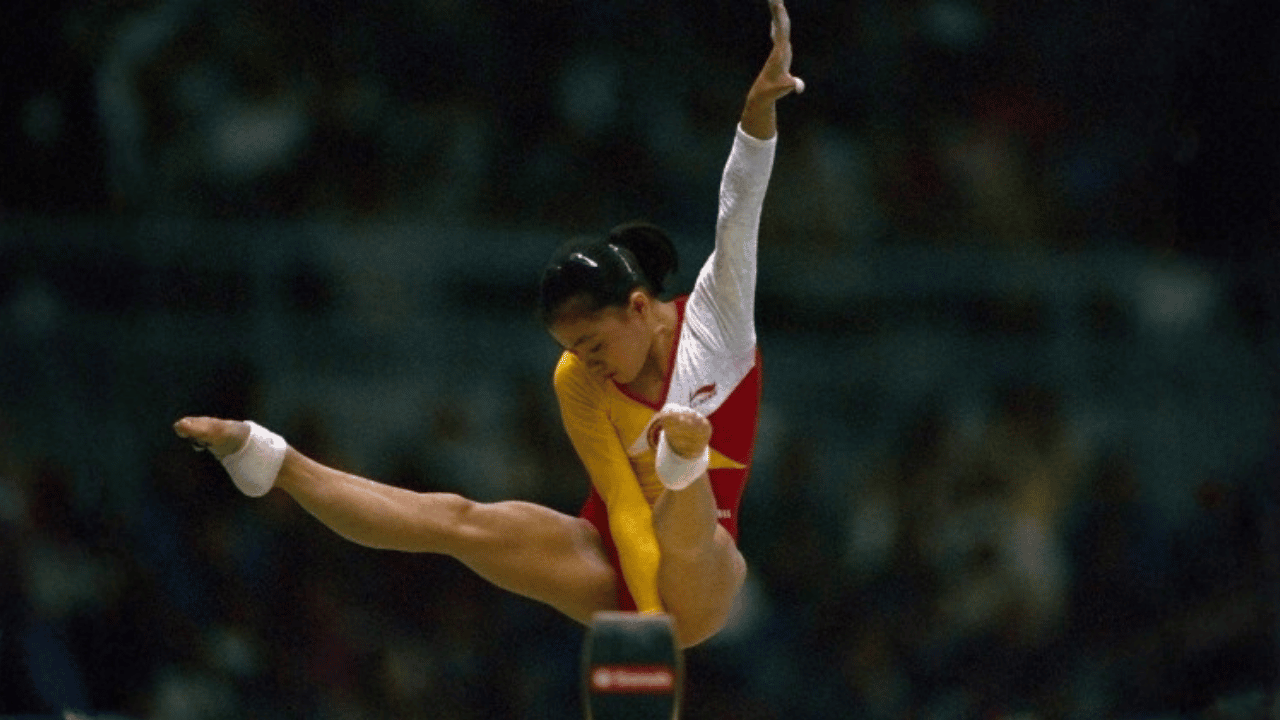
5 Skills Named After Olympic Gymnasts
May 24, 2026
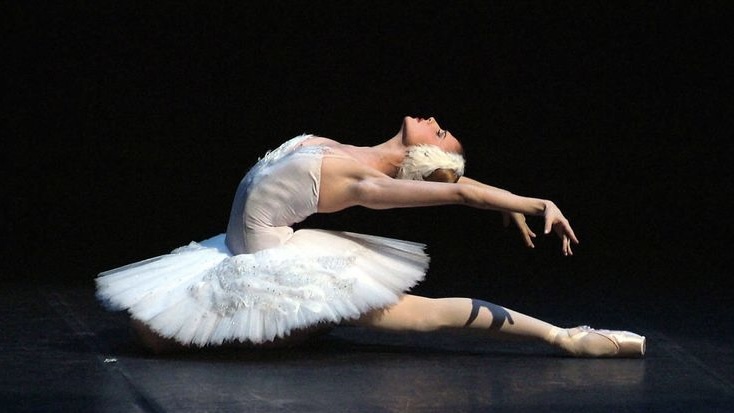
How to Improve Toe Point in Ballet
April 28, 2026
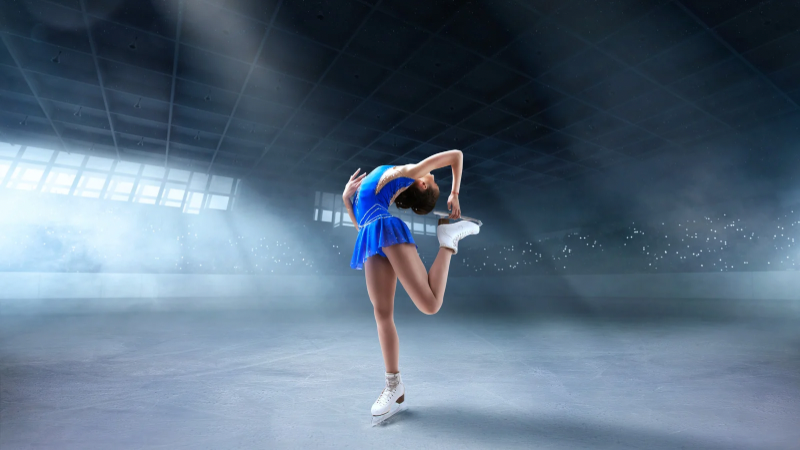
5 Ways to Hold Spin Positions Longer
Competition highlights, industry trends, expert opinions, and stories from athletes and artists worldwide — delivered straight to your inbox