 English
 中文 (中国)
 Español
February 19, 2026
The Million-Dollar Medal: Alysa Liu’s Olympic Journey
June 03, 2026
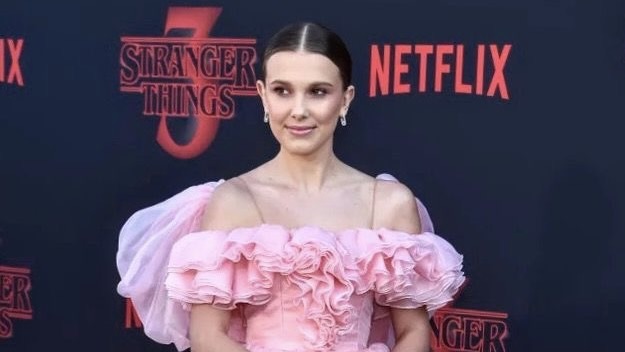
Millie Bobby Brown © Pinterest
Many aspiring actors approach their first audition with one goal: getting cast.
While booking the role is exciting, experienced casting directors often view auditions differently. A first audition is an opportunity to learn the process, gain confidence, and make a professional impression.
Even actors who eventually become stars often faced many auditions before landing major roles.
Understanding this can help reduce pressure and allow performers to focus on doing their best work.
Preparation begins long before entering the audition room.
Read the audition notice carefully and learn as much as possible about the project. Understanding the genre, character, and tone can help you make stronger acting choices.
If the audition includes sides (script excerpts), study them thoroughly. If no script is provided, prepare a monologue that fits the style of the project.
Actors who arrive informed often appear more professional and confident.
Memorizing lines is important, but auditions are not about reciting words like a robot.
Casting directors want to see natural reactions, believable emotions, and authentic choices.
Know your lines well enough that you can focus on listening and responding rather than remembering what comes next.
Many auditions include adjustments from the casting team, so flexibility is just as valuable as preparation.
A simple way to reduce stress is arriving early.
Give yourself enough time to check in, review your material, and settle your nerves. Rushing into an audition often affects concentration and performance.
Bring any requested materials, such as a headshot, résumé, identification, or portfolio.
Being organized demonstrates professionalism before you even begin acting.
Acting requires both physical and vocal preparation.
Before your audition, spend a few minutes warming up your voice through breathing exercises, articulation drills, and gentle vocal work.
Light stretching can also help release tension from the shoulders, neck, and back.
Many professional actors consider warm-ups an essential part of their audition routine.
A good example is Millie Bobby Brown, who began auditioning professionally at a very young age.
In interviews, she has spoken about attending numerous auditions before achieving international recognition through Stranger Things. Her experience shows that successful actors rarely build careers from a single audition.
Instead, confidence often develops through repeated experience, learning, and persistence.
Young actors can learn that every audition provides valuable practice, regardless of the outcome.
One of the biggest mistakes beginners make is concentrating only on their own performance.
Strong acting comes from genuine listening and reacting.
If you’re reading with another actor or casting director, pay close attention to what they are saying rather than waiting for your turn to speak.
Natural interaction often creates more compelling performances than perfectly rehearsed delivery.
Even experienced actors forget lines or make mistakes.
If something goes wrong, avoid apologizing excessively or stopping immediately.
Take a breath, stay in character if possible, and continue.
Casting directors are often more interested in how actors recover from mistakes than whether mistakes happen at all.
Professionalism under pressure is an important skill.
Most auditions begin with a brief introduction.
Speak clearly, smile naturally, and introduce yourself confidently.
There is no need to create a different personality or try to impress people artificially.
Casting professionals often appreciate authenticity more than exaggerated confidence.
Many first-time actors expect immediate feedback.
In reality, casting decisions may take days or even weeks.
Once the audition is finished, focus on what you learned rather than obsessing over the result.
Successful actors often move on to preparing for the next opportunity instead of dwelling on a single audition.
The most valuable goal for a first audition is not perfection.
It is gaining experience.
Every audition teaches something about preparation, confidence, performance, and professionalism.
Over time, these lessons accumulate and help actors grow stronger with each opportunity.
Many successful careers begin with a nervous first audition and a willingness to keep learning.
Achieve More With VSA: Boost your skills with world-class coaches for just $29/hour. Personalized programs 24/7, 365 days a year, anywhere in the world.
By Vitalina Andrushchenko, Staff Writer
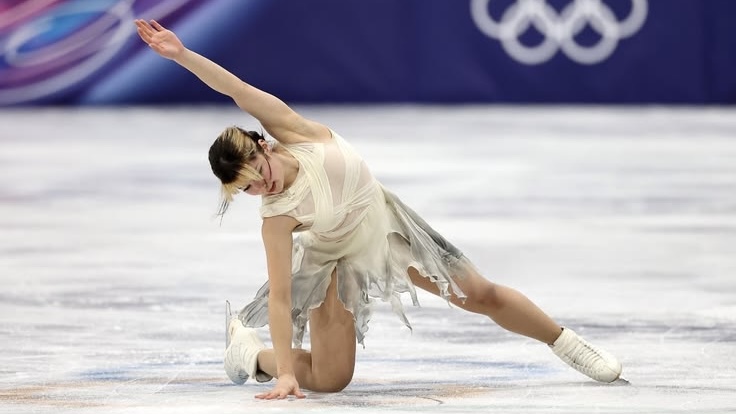
February 19, 2026
The Million-Dollar Medal: Alysa Liu’s Olympic Journey

December 25, 2025
Nancy Kerrigan’s $10 Million Legacy: Success Beyond the Ice
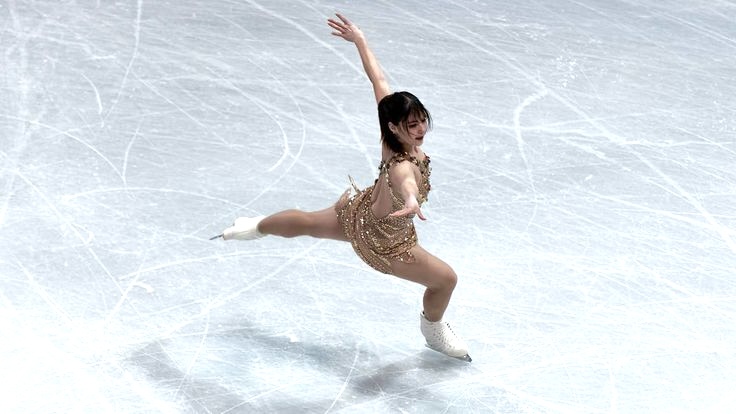
January 08, 2026
2026 U.S. Skating Nationals Results
Competition highlights, industry trends, expert opinions, and stories from athletes and artists worldwide — delivered straight to your inbox