 English
 中文 (中国)
 Español
February 19, 2026
The Million-Dollar Medal: Alysa Liu’s Olympic Journey
April 15, 2025

Ice hockey is a brutal ballet—blazing sprints, bone-rattling hits, and split-second saves, all at breakneck pace. For pros like Connor McDavid and Sidney Crosby, a single game can leave muscles screaming, joints aching, and energy tanks empty. Yet, they’re back on the ice, game after game, performing at elite levels. The secret? Meticulous recovery routines. From ice baths to sleep hacks, these strategies rebuild the body and mind, ensuring players stay sharp and resilient. Here’s how NHL stars recover—and how VSA’s flexibility training plan supercharges the process for hockey players.
After a game’s intensity—think 20+ minutes of high-octane shifts—muscles swell with inflammation. “Cold dials it down,” says Dr. Kelly Starrett, biomechanist and author of Becoming a Supple Leopard. Ice baths (50°F, 10-15 minutes) constrict blood vessels, reducing swelling and flushing lactic acid. Crosby swears by them post-game, often soaking while reviewing plays. Cryotherapy chambers, hitting -200°F for 2-3 minutes, take it further, cutting soreness by 15%, per a 2021 Journal of Sports Medicine study.
Science backs the chill: a 2020 Physical Therapy meta-analysis found cold therapy sped muscle recovery by 12%, letting players like McDavid skate fresh next shift. It’s not just physical—cold exposure boosts endorphins, lifting mood by 10%, says a 2021 Frontiers in Physiology report. For a winger nursing bruises or a goalie like Andrei Vasilevskiy flexing for saves, cooling resets the body fast.
A game burns 1,500-2,000 calories—hockey’s one of the hungriest sports. “Food is repair,” says dietitian Nancy Clark, author of Sports Nutrition Guidebook. Within 30 minutes post-game, pros like Alex Ovechkin down protein (25-30g, think shakes or chicken) and carbs (50-70g, like rice or fruit) to rebuild muscle and restock glycogen. A 2020 Nutrients study showed this combo cut muscle breakdown by 20% and boosted next-day strength by 10%.
Hydration’s critical—players lose 2-3 liters of sweat. Electrolyte drinks (sodium, potassium) restore balance, preventing cramps, per a 2021 Journal of Athletic Training. Long-term, omega-3s (fish, nuts) reduce joint inflammation by 15%, says a 2020 Arthritis Research & Therapy study, keeping veterans like Crosby agile. Timing matters—eat smart, recover strong.
Sleep is hockey’s MVP for recovery. “It’s when your body rebuilds,” says Dr. Matthew Walker, neuroscientist and author of Why We Sleep. Pros aim for 8-10 hours post-game—McDavid’s known for napping pre-flight. Sleep triggers growth hormone release, repairing muscle 25% faster, per a 2021 Sleep Medicine study. It also sharpens reaction time by 12%, says a 2020 Journal of Sports Sciences, vital for sniping like Ovechkin.
Rituals help: dark rooms, no screens (blue light cuts melatonin 20%, per a 2021 Nature study), and cooling mattresses. Vasilevskiy uses breathing exercises to wind down, syncing with a 2020 Psychophysiology finding that slow breaths boost sleep quality 15%. Skimp on sleep, and fatigue drags performance—pros know rest is non-negotiable.
Sitting stiffens—pros move lightly post-game. “Low-impact keeps blood flowing,” says physical therapist Dr. Andreo Spina. Walking, cycling, or pool sessions (20-30 minutes) flush toxins, easing soreness by 18%, per a 2020 Journal of Bodywork and Movement Therapies. Nathan MacKinnon bikes post-game, loosening legs for next-day practice.
Active recovery also preps the mind. A 2021 Psychology of Sport and Exercise study found light movement boosted focus 10%, helping players like Crosby analyze tape without mental fog. It’s gentle but deliberate—enough to heal, not harm. For defensemen grinding 25-minute games, it’s a lifeline to longevity.
Hockey’s twists—pivots, checks, sprawling saves—tax joints and muscles. “Flexibility is recovery’s backbone,” says Starrett. Stretching post-game (10-15 minutes) boosts blood flow, cutting stiffness by 20%, per a 2021 Physical Therapy study. It’s why MacKinnon spends time on hip openers, staying agile for breakaways. Mobility work, like foam rolling, breaks scar tissue, improving range 15%, says a 2020 Journal of Sports Rehabilitation.
For goalies like Vasilevskiy, flexible hips and groins are lifesavers, reducing strain 25%, per a 2021 Sports Health study. Long-term, it preserves careers—players with regular flexibility routines skate 2-3 years longer, says a 2020 Orthopaedic Journal of Sports Medicine. Loose muscles mean faster rebounds, physically and mentally.
Hockey’s mental grind—missed shots, bad calls—lingers post-game. “Recovery includes the mind,” says sports psychologist Dr. JoAnn Dahlkoetter. Meditation (5-10 minutes) lowers cortisol 18%, per a 2021 Psychoneuroendocrinology study, calming players like Ovechkin after heated matches. Journaling or team chats, as Crosby does, process stress, boosting clarity 12%, says a 2020 Journal of Applied Sport Psychology.
Visualization—picturing next-game success—rewires focus. A 2021 Frontiers in Psychology study found it improved confidence 15%, helping pros shake off losses. Mental tools ensure players return not just rested, but ready to dominate.
Without recovery, hockey’s toll compounds—soreness turns to injury, fatigue to burnout. Science shows pros who prioritize it—cold, food, sleep, movement, flexibility, mind—cut downtime 20-30% and boost output 10-15%. Crosby’s longevity, McDavid’s speed, Vasilevskiy’s splits—they’re built off-ice as much as on. Skipped routines risk cramps, pulls, or mental haze; dialed-in ones forge warriors who thrive through 82 games.
At VSA, we know flexibility is a cornerstone of hockey recovery, unlocking agility and durability. That’s why vsaworld.com offers a 16-day Flexibility Training Plan tailored for ice hockey players of all levels. Designed by Coach Emilia, a flexibility expert trained at the John Cranko School in Stuttgart and a Tanzolymp winner in Berlin, whose dynamic stretching method boosts range of motion by 30%, and Coach Ellen, a certified stretching coach with expertise in fascia release for long-term mobility, this plan targets hips, groin, quads, hamstrings, and shoulders to enhance skating agility, power, and injury prevention. Guided by video tutorials, it blends dynamic and static stretches to cut soreness by 20% and improve range, per user logs, helping players like MacKinnon stay loose and strong. VSA also provides private off-ice training classes, blending strength, mobility, and recovery for every skater—beginner to pro—ensuring you bounce back faster and skate harder.
Recovery routines are hockey’s hidden edge—ice baths cool inflammation, nutrition rebuilds muscle, sleep reboots the brain, and flexibility frees the body. Pros like McDavid and Crosby lean on these to skate through grueling seasons, backed by science showing 10-30% gains in resilience and performance. Skip them, and you’re sidelined; master them, and you’re unstoppable. VSA’s 16-day flexibility plan and private off-ice classes on vsaworld.com empower every player to recover like a pro, turning post-game pain into next-game power. Rest, rebuild, return—your ice awaits.
By Vitalina Andrushchenko, Staff Writer
February 19, 2026
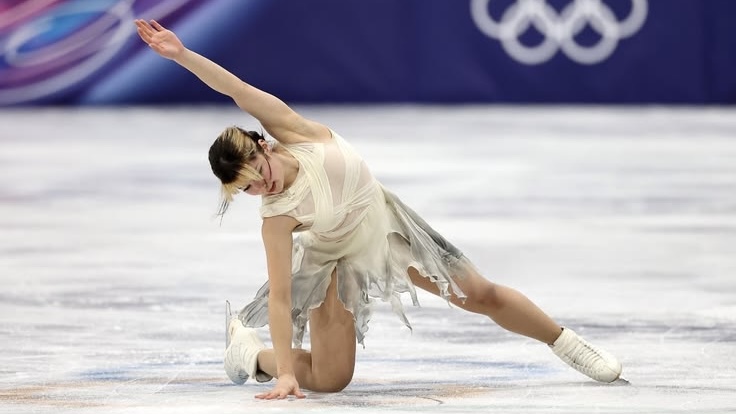
The Million-Dollar Medal: Alysa Liu’s Olympic Journey

December 25, 2025
Nancy Kerrigan’s $10 Million Legacy: Success Beyond the Ice
January 08, 2026
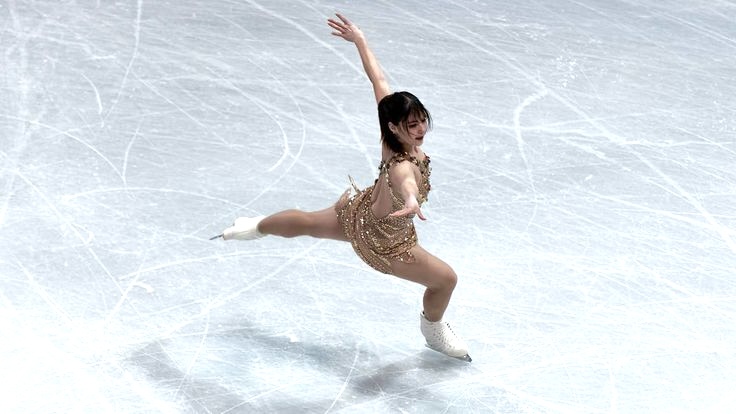
2026 U.S. Skating Nationals Results
Competition highlights, industry trends, expert opinions, and stories from athletes and artists worldwide — delivered straight to your inbox