 English
 中文 (中国)
 Español
February 19, 2026
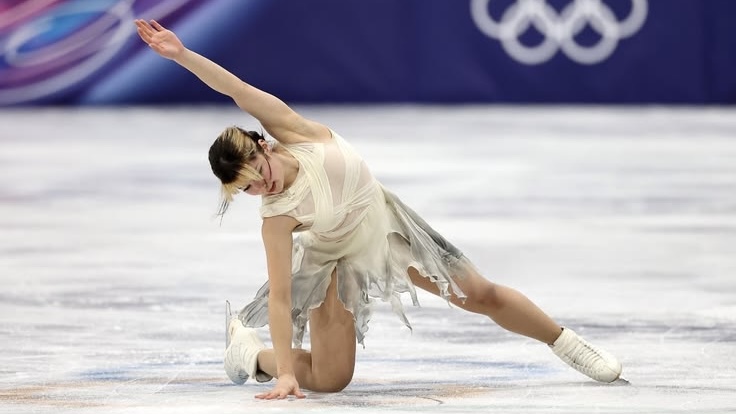
The Million-Dollar Medal: Alysa Liu’s Olympic Journey
May 21, 2025
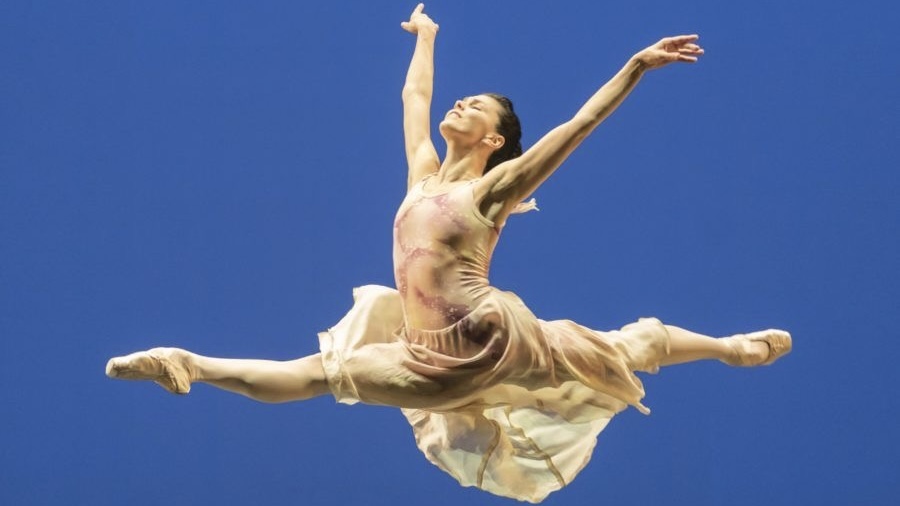
For ballerinas, sleep is as critical as training, fueling recovery, enhancing performance, and sustaining the artistry demanded by dance. The intense physical and mental demands of ballet—often 20–30 hours of weekly training—require adequate rest to repair muscles, sharpen focus, and prevent burnout. A 2019 Journal of Sports Sciences study found that sufficient sleep improves athletic performance by 12% and reduces injury risk by 15%. This article explores how long ballerinas should sleep, the recovery benefits, and practical tips inspired by famous ballerinas like Misty Copeland and Natalia Osipova, offering guidance to dancers striving for excellence.
Ballerinas, particularly those in adolescence and young adulthood (ages 12–25), should aim for 8–10 hours of sleep per night, as recommended by the National Sleep Foundation for teens and young adults. A 2020 Journal of Strength and Conditioning Research study emphasizes that 8–9 hours optimizes muscle recovery and cognitive function, crucial for mastering complex choreography. Professional ballerinas, training 5–6 days weekly, benefit from 9–10 hours during intense periods, such as rehearsals or performances, to counter physical strain. A 2018 Journal of Dance Medicine & Science study notes that insufficient sleep (less than 7 hours) increases injury risk by 10% and impairs balance by 8%, critical for pointe work.
Key Insight: Aim for 8–10 hours of sleep nightly, adjusting to 9–10 during peak training or performances. Incorporate short naps on demanding days to enhance recovery.
Sleep is a cornerstone of recovery, repairing muscle microtears from long training sessions and restoring energy for daily classes or rehearsals. A 2020 Journal of Sports Medicine study found that sleep enhances muscle protein synthesis by 15%, aiding strength and endurance for jumps and lifts. Mentally, sleep sharpens memory and focus, essential for learning choreography, with a 2019 Psychology of Sport and Exercise study showing a 12% improvement in cognitive performance after adequate rest. Sleep also regulates stress hormones, reducing anxiety by 10%, per a 2018 Sleep Medicine Reviews study, helping dancers manage audition or performance pressure.
Famous ballerinas emphasize sleep as a non-negotiable part of their routines, offering insights that aspiring dancers can adapt:
Sleep is a ballerina’s secret weapon, with 8–10 hours nightly fueling recovery, sharpening focus, and preventing injuries, especially during intense training or performances. Inspired by stars like Misty Copeland and Natalia Osipova, dancers can prioritize consistent bedtimes, strategic naps, and calm sleep environments to mirror their disciplined rest habits. Backed by science, these practices—integrated into busy schedules—enhance physical and mental resilience. Ballerinas, commit to 8–10 hours of sleep, adopt a pre-sleep routine, and seek coaching guidance to optimize rest. As Fonteyn and Pavlova proved, quality sleep transforms effort into artistry, propelling you toward the stage’s spotlight.
By Vitalina Andrushchenko, Staff Writer
February 19, 2026
The Million-Dollar Medal: Alysa Liu’s Olympic Journey

December 25, 2025
Nancy Kerrigan’s $10 Million Legacy: Success Beyond the Ice
January 08, 2026
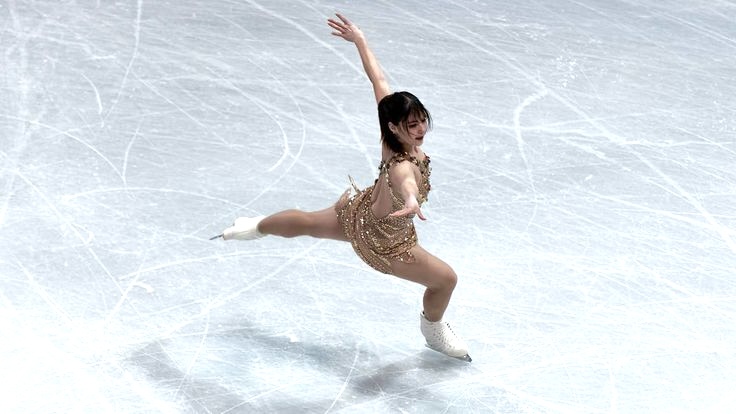
2026 U.S. Skating Nationals Results
Competition highlights, industry trends, expert opinions, and stories from athletes and artists worldwide — delivered straight to your inbox