 English
 中文 (中国)
 Español
February 19, 2026
The Million-Dollar Medal: Alysa Liu’s Olympic Journey
May 19, 2025
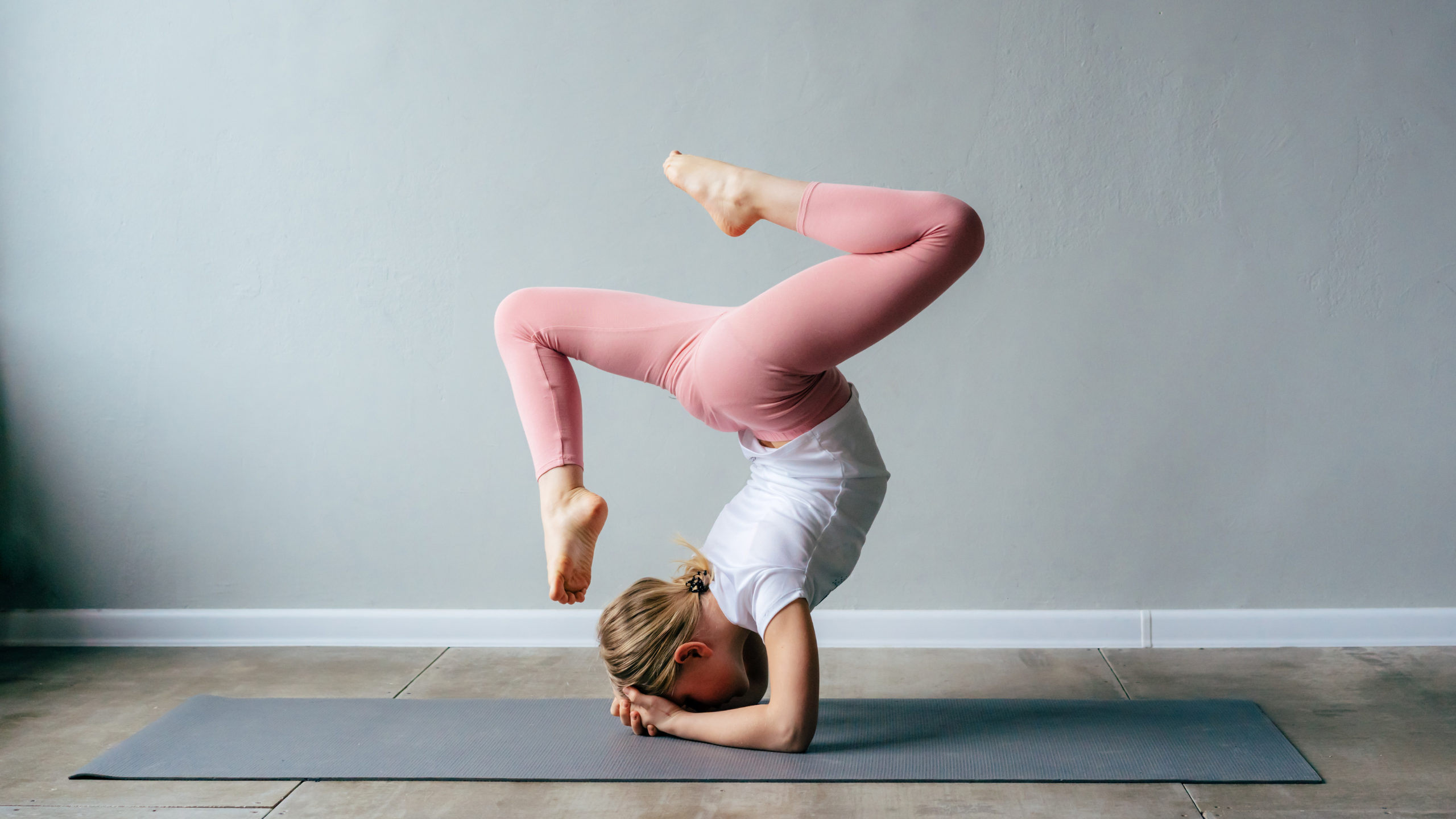
Stretching is a vital practice for teenagers, supporting their rapidly growing bodies, active lifestyles, and overall well-being. As teens engage in sports, school activities, or simply navigate the physical changes of adolescence, stretching enhances flexibility, reduces injury risk, and promotes relaxation. A 2019 Journal of Sports Sciences study found that regular stretching improves muscle performance by 10% and lowers injury rates by 12% in young athletes. This article explores how often teenagers should stretch, the benefits tailored to their needs, and practical tips to make stretching a consistent habit, drawing on scientific insights to guide teens and their families.
Adolescence is a period of rapid growth, with bones lengthening faster than muscles, which can lead to tightness and reduced flexibility. A 2018 Journal of Dance Medicine & Science study notes that teens who stretch regularly improve joint range of motion by 15%, aiding activities like running, dancing, or even sitting comfortably during long study sessions. Stretching also mitigates the effects of repetitive movements in sports, such as soccer or basketball, and reduces muscle soreness by 10%, per a 2020 Journal of Strength and Conditioning Research study. Beyond physical benefits, stretching promotes mental relaxation, helping teens manage stress from school or social pressures, as supported by a 2019 Psychology of Sport and Exercise study showing a 12% reduction in anxiety with consistent flexibility routines.
Teenagers should aim to stretch 3–5 times per week, with sessions lasting 10–15 minutes, to balance flexibility gains with their busy schedules. A 2020 Journal of Sports Medicine study recommends 2–3 weekly sessions for general health, but active teens, such as those in sports or dance, benefit from 4–5 sessions to support performance and recovery. Each session should target major muscle groups used in daily activities or specific sports, ensuring a full-body approach. Stretching daily is ideal for highly active teens, but overdoing it without rest can increase muscle strain risk by 8%, per a 2018 Journal of Dance Medicine & Science study, so one or two rest days weekly are advised.
Key Insight: Stretch 3–5 times weekly for 10–15 minutes, increasing frequency to 4–5 for active teens. Always stretch after activity and include one rest day to avoid strain.
Stretching is a game-changer for teenagers, supporting their growing bodies and active lives with just 3–5 weekly sessions of 10–15 minutes. Whether you’re a casual teen or a dedicated athlete, regular stretching boosts flexibility, prevents injuries, enhances performance, and eases stress, with active teens benefiting from 4–5 sessions. Backed by science, these habits—integrated after activities and balanced with rest—fit seamlessly into busy schedules. Teens, make stretching a priority, start with short sessions, and consult coaches to refine your approach. As Misty Copeland, who stretched diligently to become a principal ballerina, shows, consistent effort leads to remarkable results. Stretch smart, stay active, and thrive.
By Vitalina Andrushchenko, Staff Writer

February 19, 2026
The Million-Dollar Medal: Alysa Liu’s Olympic Journey

December 25, 2025
Nancy Kerrigan’s $10 Million Legacy: Success Beyond the Ice

January 08, 2026
2026 U.S. Skating Nationals Results
Competition highlights, industry trends, expert opinions, and stories from athletes and artists worldwide — delivered straight to your inbox