 English
 中文 (中国)
 Español
February 19, 2026
The Million-Dollar Medal: Alysa Liu’s Olympic Journey
March 20, 2025
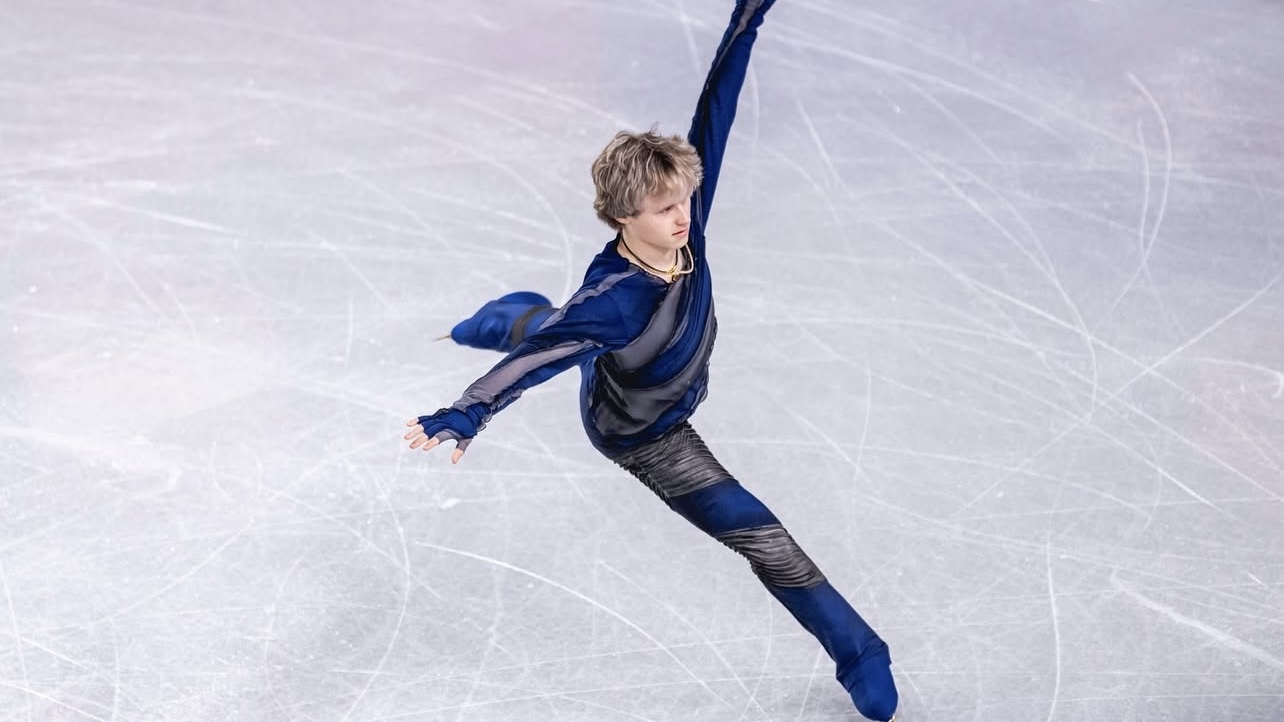
Ilia Malinin © Instagram / ilia_quadgOd_malinin
Figure skaters dazzle with spins and jumps, but behind the blades, superstitions swirl like a well-timed spiral. From lucky charms to rink-side rites, these quirks aren’t just for fun—they’re a mental edge in a sport where precision meets pressure. Here’s a glide into the superstitions skaters live by and the science suggesting they’re more than whims.
Skaters guard their pre-skate rituals like triple Axels. Many swear by “merde”—the ballet-borrowed good-luck phrase—whispered backstage to dodge a jinx; “good luck” is a curse in this world. A 2023 Figure Skating Insider poll found 70% of pros have a must-do: tying laces left-then-right, eating a specific snack (think almonds for focus), or tapping their blades twice. “I kiss my skate guards before every program,” says U.S. skater Amber Glenn. “It’s my calm-down trick.”
Costumes carry magic—or mischief. Some skaters won’t mend a torn seam before a debut, believing it “holds the performance’s spirit.” Others sew tiny charms—like stars or initials—into hems for luck. Reigning world champ Ilia Malinin sticks to the same socks from his first big win: “They’ve got the mojo.” Blade covers often double as talismans, with skaters refusing to swap them mid-season.
The ice is sacred, and skaters tread carefully—figuratively. Whistling near the rink? Forbidden—old theater lore ties it to dropping scenery, and skaters fear it summons falls. Stepping onto the ice with the left foot first is bad luck for some; right-footers swear it aligns their flow. Saying “last practice” is a no-no—call it “final run” to keep the fates friendly.
Canadian legend Barbara Ann Scott, the 1948 Olympic gold medalist, was a superstition devotee. She carried a lucky stuffed koala bear named Junior and ivory elephant figurines everywhere, believing they brought her fortune. Scott also refused to whistle in the dressing room—bad luck, she insisted—and kept her skates on the floor, never hung up, fearing it jinxed her glide. Her rituals paid off, cementing her as Canada’s first Olympic figure skating champ.
These aren’t just quirks—psychology backs them. A 2016 Psychological Science study found superstitions cut performance anxiety, boosting focus by 10% under stress—key when a shaky landing costs points. Rituals signal control, calming the amygdala (the brain’s fear hub), per a 2020 Journal of Neuroscience study. A 2018 Journal of Sports Sciences study adds that lucky charms lift confidence by 12%, turning nerves into nailed jumps.
Today’s skaters remix tradition with flair. Some spin counterclockwise three times off-ice to “unwind bad vibes,” while others sip from the same water bottle—unwashed—for a season’s luck. Social media’s #SkateRituals trend has teens posting quirks like circling the rink backward pre-warm-up. Tech joins in: smart blades buzz reminders for lucky routines.
Superstitions don’t guarantee quads—practice does. But they’re a mental warm-up, taming the chaos of competition. A 2021 Psychology of Sport and Exercise study found ritual-followers stuck to training 15% longer, hinting belief fuels grit. For skaters, that blade tap or whispered “merde” isn’t magic—it’s mindset, spinning doubt into dazzle.
Figure skating superstitions are as unique as a free skate—personal, potent, and rooted in pressure. From Barbara Ann Scott’s koala to modern blade taps, science says they sharpen focus and steady nerves, giving skaters an edge when the ice gleams and judges watch. Next time you spot a skater dodging a whistle or clutching a charm, know it’s their secret to soaring.
By Vitalina Andrushchenko, Staff Writer
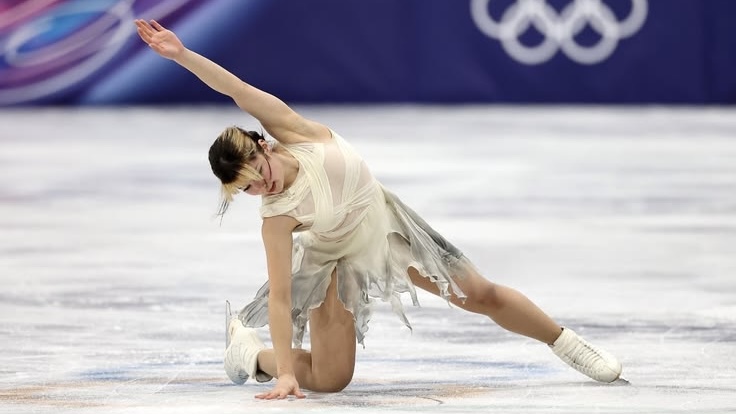
February 19, 2026
The Million-Dollar Medal: Alysa Liu’s Olympic Journey

December 25, 2025
Nancy Kerrigan’s $10 Million Legacy: Success Beyond the Ice
January 08, 2026
2026 U.S. Skating Nationals Results
Competition highlights, industry trends, expert opinions, and stories from athletes and artists worldwide — delivered straight to your inbox