 English
 中文 (中国)
 Español
February 19, 2026
The Million-Dollar Medal: Alysa Liu’s Olympic Journey
October 16, 2025
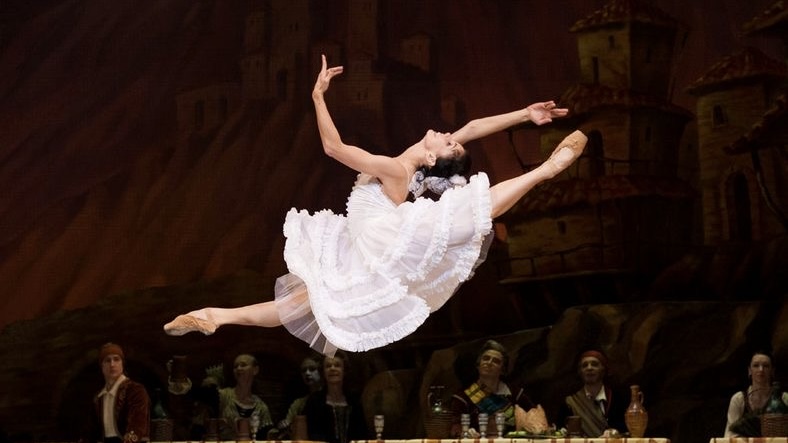
Every ballerina knows the physical side of training — endless barre work, rehearsals, corrections, and aching muscles. But behind every perfect pirouette or fluid adagio lies something invisible yet powerful: mental focus.
Ballet demands control, precision, and emotion — and that starts in the brain. A focused mind sends clear signals to the body. When your thoughts wander, your movement follows.
Tip: Before class or rehearsal, take 2–3 minutes to center yourself. Breathe deeply, close your eyes, and imagine your first plié. This small ritual trains your brain to arrive fully present, ready to move with intention.
Many top ballerinas, including Natalia Osipova and Misty Copeland, use visualization to prepare before stepping on stage. They mentally rehearse every step, transition, and emotional cue. When the music starts, their minds are already dancing.
Tip: Imagine your choreography in detail — how it feels, not just how it looks. See the movement in your mind as if you’re watching yourself perform. Visualization strengthens neural pathways and builds confidence before your body even moves.
Just like your turnout or balance, focus needs daily training. Attention drifts naturally — especially when fatigue or frustration sets in — but bringing it back builds mental stamina.
Tip: During class, pick one element to focus on completely (like breath, musicality, or arm coordination). Instead of trying to perfect everything at once, commit to one thing. This sharpens your awareness and keeps you present in the moment.
Even 5 minutes a day can change how focused and calm you feel in class.
Here’s a simple exercise ballerinas can try:
Repeat this for 2–3 minutes before class. It strengthens mental discipline, teaching your mind to stay calm and centered even during complex choreography or stage pressure.
Even the most experienced dancers feel fear before stepping on stage. The key is not to eliminate nerves — it’s to redirect them.
Marianela Nuñez once said, “I still get nervous, but I’ve learned to trust the work I’ve done.” That’s the essence of mental focus — believing in your preparation.
Tip: Before performing, replace “I’m nervous” with “I’m ready.” The language you use shapes how your body reacts. Breathe, ground your feet, and trust that your training will carry you.
Mental focus isn’t about being perfect — it’s about being able to reset after mistakes. Every dancer has moments where they fall out of a turn or forget choreography. What matters most is what happens next.
Tip: Practice short “mental resets.” After an error, take one breath and move on. Dwelling kills focus faster than the mistake itself. In performance, recovery is part of artistry — audiences remember grace, not perfection.
Mental focus is the dancer’s invisible choreography. It’s the calm between the counts, the stillness before the leap, the quiet voice that says “you’ve got this.”
Train your mind like your muscles — with patience, repetition, and love. Because in ballet, true mastery begins not at the barre, but in the mind that believes it can dance.
Achieve More With VSA: Boost your skills with world-class coaches for just $29/hour. Perfect for skaters, hockey players, dancers, and athletes, VSA offers personalized training 24/7, 365 days a year, anywhere in the world.
By Vitalina Andrushchenko, Staff Writer
February 19, 2026
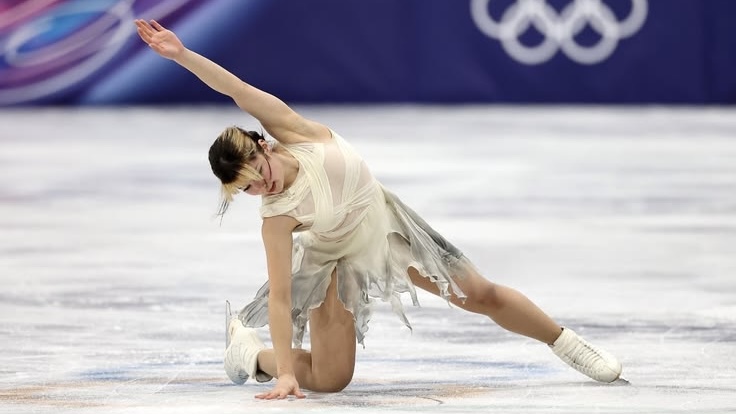
The Million-Dollar Medal: Alysa Liu’s Olympic Journey

December 25, 2025
Nancy Kerrigan’s $10 Million Legacy: Success Beyond the Ice
January 08, 2026
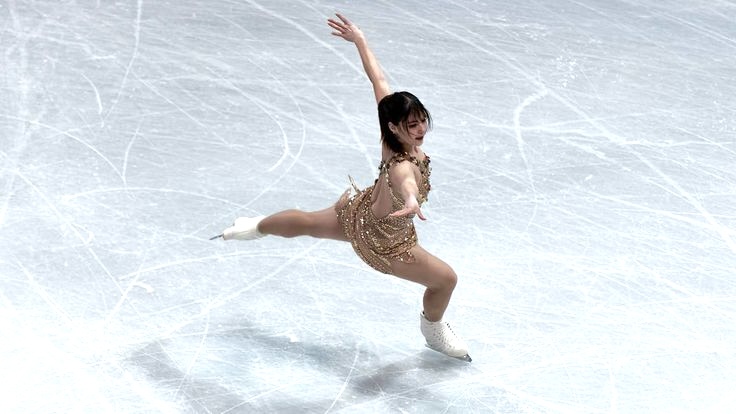
2026 U.S. Skating Nationals Results
Competition highlights, industry trends, expert opinions, and stories from athletes and artists worldwide — delivered straight to your inbox