 English
 中文 (中国)
 Español
July 29, 2026
5 Skills Named After Olympic Gymnasts
March 22, 2025
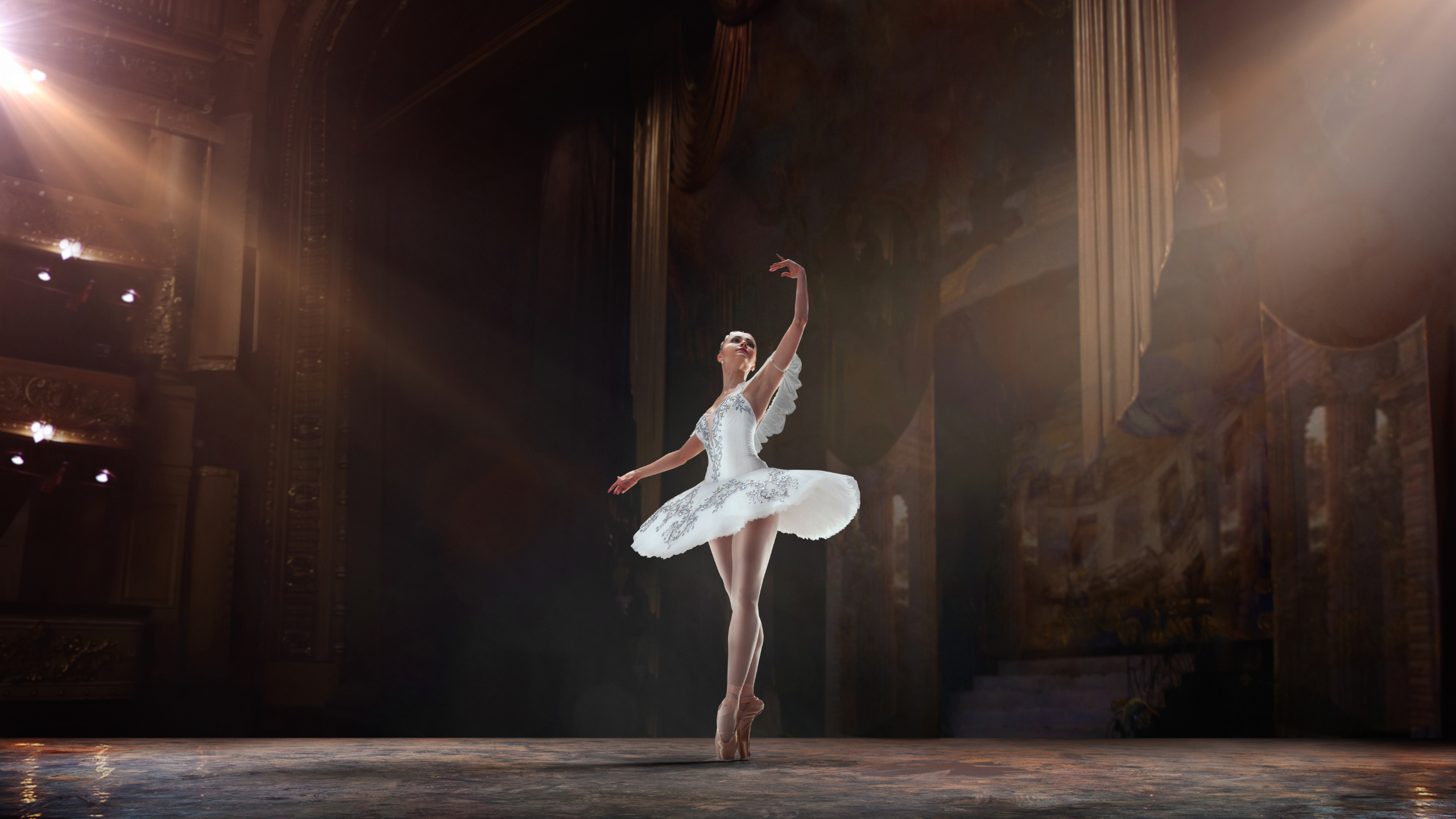
Ballet is a paradox—an art that marries ethereal beauty with unrelenting discipline. Behind every pirouette and grand jeté lies a dancer whose body and mind are in perfect sync, honed by years of practice and an unshakable mindset. For ballerinas, mental strength is as critical as physical prowess, shaping how they train, perform, and recover. Science reveals that the brain plays a starring role in this delicate dance, offering insights into the psychological traits that define a ballerina’s success. Here, we explore three golden rules of the ballerina’s mindset—focus, resilience, and self-compassion—and the research that explains why they matter.
A ballerina’s world is one of precision: a split-second lapse can turn a perfect fouetté into a stumble. Focus is non-negotiable, and science backs its importance. Research in Cognitive Psychology shows that sustained attention enhances motor skill learning, a key for ballet’s complex choreography. When a dancer zeros in on her alignment or timing, her brain’s prefrontal cortex—the hub of executive function—lights up, filtering distractions and sharpening coordination.
Take a dancer like Alina Cojocaru, whose seamless performances reflect an almost meditative concentration. Neuroscientists call this “flow state,” a mental zone where time slows, and actions feel instinctive. A 2018 study in Frontiers in Psychology found that athletes (and dancers) in flow exhibit heightened activity in the brain’s parietal lobe, syncing body and mind. For ballerinas, cultivating focus isn’t just practice—it’s a ritual. They might count beats, visualize sequences, or fix their gaze on a single point (spotting) to anchor their attention. Rule one: master your mind, and your body follows.
Ballet is brutal—blisters, falls, and rejection are part of the pointe-shoe package. Yet, ballerinas persist, and resilience is their secret weapon. This trait is rooted in the brain’s ability to adapt, a concept called neuroplasticity. When a dancer faces failure—say, a botched audition—her brain rewires itself to cope. A 2016 study in Nature Reviews Neuroscience explains that stress triggers the release of cortisol, but resilient individuals activate the amygdala (emotion center) and hippocampus (memory hub) to process setbacks and learn from them, not crumble.
Consider Darcey Bussell, who overcame injuries to become a ballet icon. Resilience isn’t blind grit; it’s a skill. Science shows that repeated exposure to manageable stress—like daily rehearsals—builds “stress inoculation,” strengthening neural pathways for recovery. Ballerinas live this rule by dusting off after a fall, tweaking their approach, and stepping back to the barre. Rule two: embrace adversity, because your brain is built to rebound.
Ballet’s perfectionism can be a double-edged sword, driving excellence but also self-criticism. Enter self-compassion, a mindset shift that science proves boosts performance. A 2011 study in Self and Identity by Dr. Kristin Neff found that self-compassion—treating oneself with kindness during failure—reduces anxiety and increases motivation. Unlike harsh self-judgment, which spikes cortisol and stalls progress, self-compassion activates the parasympathetic nervous system, calming the body and freeing the mind to improve.
Misty Copeland, the first African American principal at American Ballet Theatre, embodies this. She’s spoken about silencing her inner critic to focus on growth, a strategy backed by neuroscience. When a ballerina forgives a wobbly arabesque, her brain’s reward system releases dopamine, reinforcing effort over perfection. Practical steps—like positive self-talk (“I’m learning, not failing”) or a post-rehearsal gratitude pause—cement this rule. Rule three: be your own ally, because kindness unlocks potential.
These rules don’t stand alone; they intertwine. Focus sharpens resilience by keeping a dancer present during challenges. Resilience bolsters self-compassion by proving she can survive setbacks. Self-compassion, in turn, sustains focus by quieting the noise of doubt. A 2020 study in The Journal of Positive Psychology ties this trio to “psychological flexibility,” the ability to adapt mentally under pressure—perfect for ballet’s demands. Brain imaging shows that dancers exhibit denser gray matter in areas like the cerebellum (movement) and insula (emotion), suggesting their mindset literally shapes their neural landscape.
How do ballerinas embody these rules? Focus might mean a pre-class breathing exercise to center the mind. Resilience could look like journaling after a tough day to reframe struggles. Self-compassion might be a gentle stretch instead of pushing through pain, honoring the body’s limits. These habits aren’t just lore—they’re science in motion. A 2019 Brain and Behavior study found that dancers’ mental training enhances proprioception (body awareness), linking mindset to physical grace.
The ballerina’s mindset is a quiet force, blending focus, resilience, and self-compassion into a formula for brilliance. Science reveals why: focus wires the brain for precision, resilience rewrites it for strength, and self-compassion soothes it for growth. Together, they transform a dancer from a technician into an artist, proving that ballet’s magic isn’t just in the steps—it’s in the mind behind them. Next time you watch a ballerina soar, know that her real power lies in the rules she lives by, etched into her brain as deeply as her turnout.
By Vitalina Andrushchenko, Staff Writer
July 29, 2026
5 Skills Named After Olympic Gymnasts
May 24, 2026
How to Improve Toe Point in Ballet

April 28, 2026
5 Ways to Hold Spin Positions Longer
Competition highlights, industry trends, expert opinions, and stories from athletes and artists worldwide — delivered straight to your inbox