 English
 中文 (中国)
 Español
July 29, 2026
5 Skills Named After Olympic Gymnasts
March 09, 2025
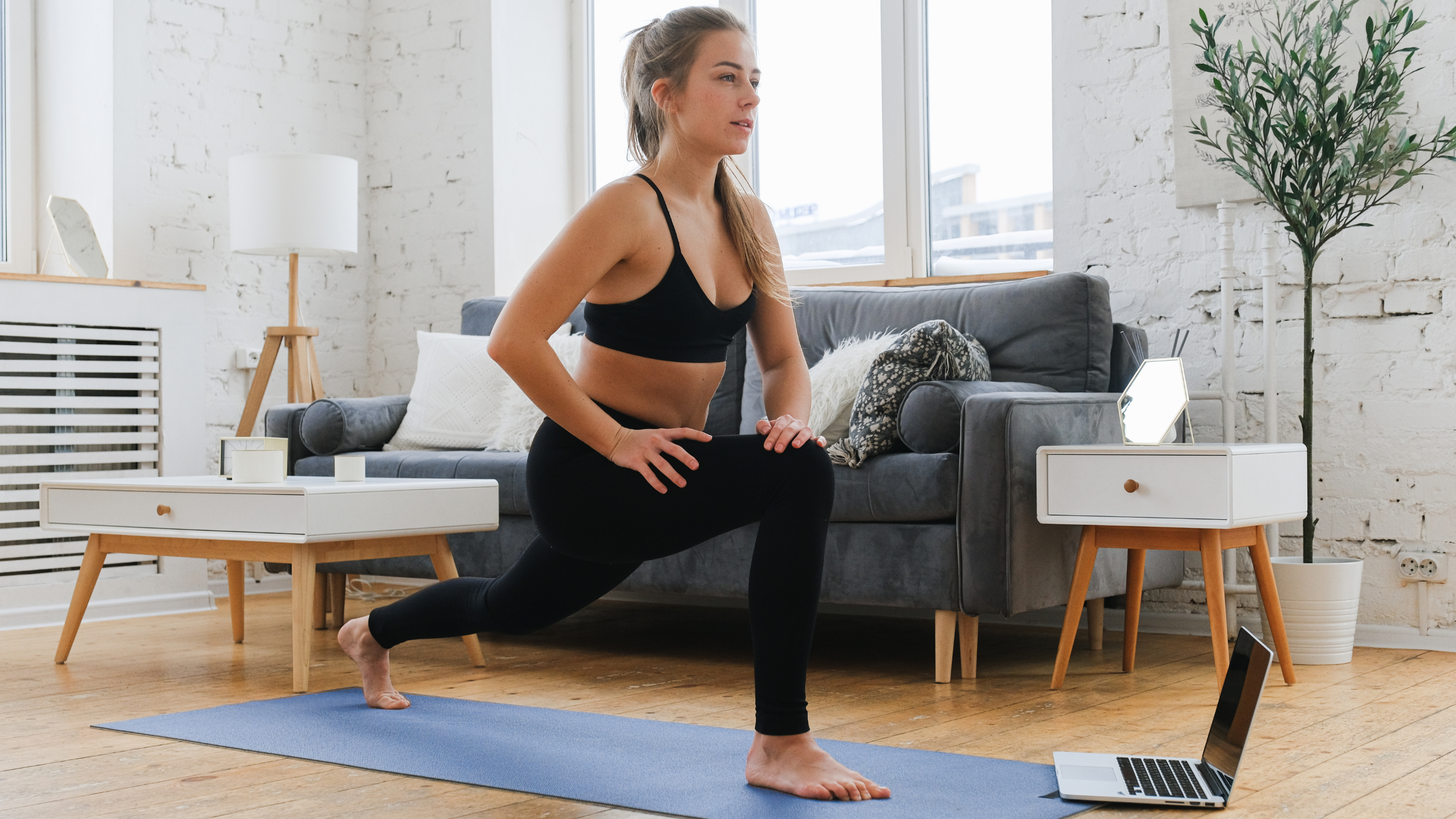
When it comes to fitness, one size does not fit all. While some people thrive in the high-energy chaos of a CrossFit gym, others prefer the quiet solitude of a morning yoga session or the steady rhythm of a long-distance run. What drives these preferences? Science suggests that our personality types play a significant role in shaping how we exercise, how often we do it, and what keeps us coming back for more. From the extroverted thrill-seekers to the introverted planners, understanding the interplay between personality and fitness can unlock a more tailored, enjoyable path to health.
Personality is often studied through frameworks like the Big Five Personality Traits, a widely accepted model in psychology that measures five key dimensions: Openness to Experience, Conscientiousness, Extroversion, Agreeableness, and Neuroticism (often abbreviated as OCEAN). These traits, shaped by a mix of genetics and environment, influence everything from our social interactions to our decision-making processes—including how we approach fitness.
Researchers have long been curious about how these traits correlate with physical activity. Studies, such as those published in Personality and Individual Differences and Journal of Health Psychology, have explored how personality impacts exercise adherence, enjoyment, and even the type of workouts people gravitate toward. Let’s break it down by trait and see how science connects the dots.
Extroverts—those energized by social interaction—often prefer fitness routines that involve others. Think group fitness classes, team sports, or a lively gym atmosphere where banter flows as freely as sweat. A 2019 study found that extroverts are more likely to stick with exercise programs that offer a social component, as the camaraderie fuels their motivation. They’re the ones high-fiving their spin class buddies or organizing a pickup basketball game.
Why? Extroverts thrive on external stimulation, and the buzz of a shared workout ticks that box. Their dopamine-driven brains light up with social rewards, making a solo treadmill run feel like a punishment compared to a Zumba session with friends.
On the flip side, introverts—who recharge in solitude—lean toward fitness that lets them tune out the world. Think running with headphones, swimming laps, or lifting weights in a quiet corner of the gym. Research suggests introverts are less likely to enjoy group settings, not because they’re antisocial, but because they find peace in controlling their environment and avoiding overstimulation.
A study from Frontiers in Psychology noted that introverts often excel in self-directed activities requiring focus and consistency, like marathon training or home workouts. For them, fitness is less about the scene and more about the internal rhythm—a chance to think, reflect, or simply escape.
People high in conscientiousness—those organized, goal-oriented souls—treat fitness like a project to master. They’re the ones with color-coded workout schedules, tracking apps, and a knack for showing up rain or shine. Science backs this up: a 2021 meta-analysis in Health Psychology Review found that conscientious individuals are more likely to adhere to exercise routines long-term, thanks to their self-discipline and love of structure.
These folks often gravitate toward regimented programs like powerlifting, Pilates, or anything with measurable progress. The satisfaction of hitting a new personal record or checking off a workout keeps their engines humming.
Those scoring high in openness—creative, curious, and adventurous—see fitness as a playground for experimentation. They’re the ones trying aerial yoga one week and rock climbing the next. A study in Journal of Research in Personality linked openness to a preference for variety in exercise, suggesting these individuals get bored with repetitive routines like treadmill running or basic strength training.
Their motivation? Novelty. The thrill of mastering a new skill or exploring a fresh environment keeps them engaged, even if it means their gym bag looks like a gear store exploded.
People high in neuroticism—prone to stress and emotional ups and downs—have a complex relationship with fitness. On one hand, they might avoid exercise due to self-consciousness or fear of failure. On the other, studies show they’re drawn to workouts that reduce anxiety, like mindful practices (yoga, tai chi) or high-intensity interval training (HIIT) that burns off nervous energy.
A 2020 paper in Psychological Reports found that neurotic individuals often use exercise as a coping mechanism, but their adherence wavers if stress spikes. For them, the key is finding a routine that feels safe and manageable—no intimidating gym bros required.
Highly agreeable people—cooperative and empathetic—often prioritize fitness that benefits others or builds connection. They’re the ones joining charity runs, coaching a kid’s soccer team, or dragging a friend along for a hike. Research indicates they’re less competitive and more motivated by group harmony than personal glory.
Their workout of choice? Anything collaborative, from partner workouts to dance classes. The warm fuzzies of helping others sweat it out keep them hooked.
Understanding how personality shapes fitness preferences isn’t just trivia—it’s practical. A mismatch between personality and workout style can lead to burnout or abandonment. An introvert forced into a loud bootcamp might quit in a week, while an extrovert stuck with solo runs might lose steam without a cheering squad. Tailoring fitness to personality, as psychologists suggest, boosts enjoyment and consistency—key ingredients for long-term health.
Next time you’re picking a workout, consider who you are at your core. Are you a social butterfly craving a group sweat sesh? A meticulous planner who needs a spreadsheet-worthy regimen? Or a free spirit chasing the next fitness frontier? Science says there’s no “best” way to move—just the way that fits you. So lace up, stretch out, or dance off—your personality’s already pointing the way.
By Vitalina Andrushchenko, Staff Writer
July 29, 2026
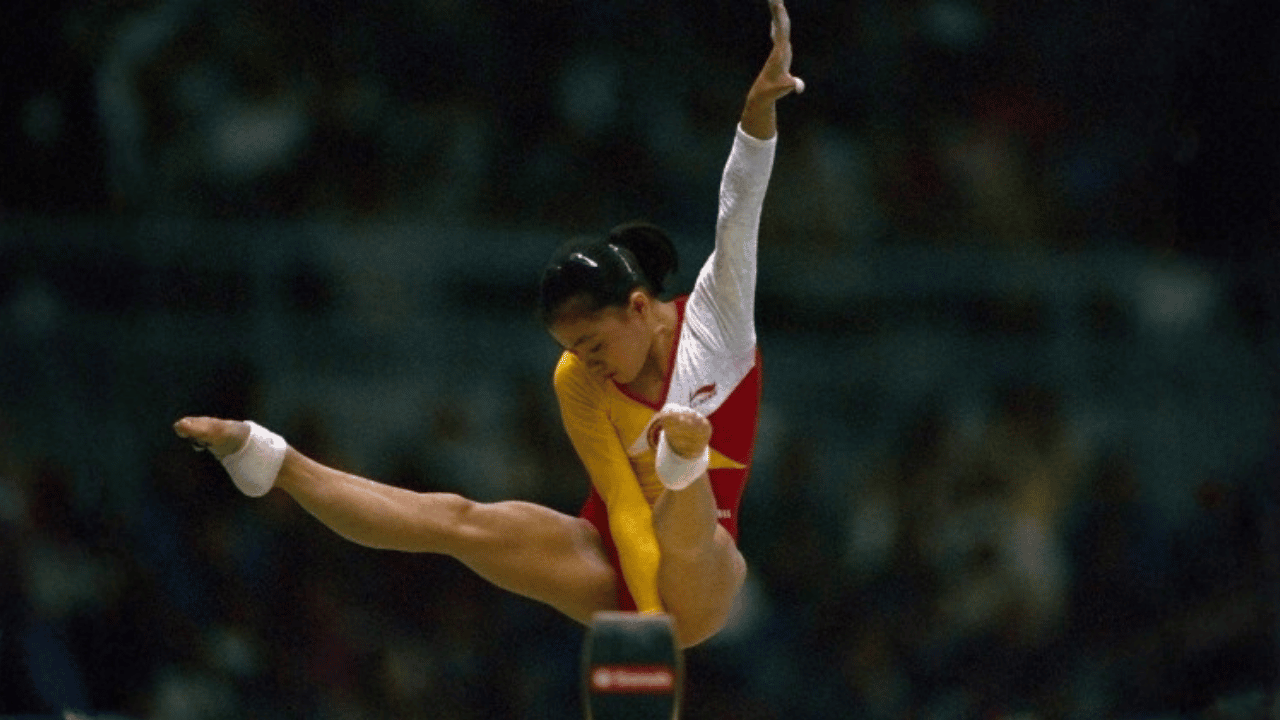
5 Skills Named After Olympic Gymnasts
May 24, 2026
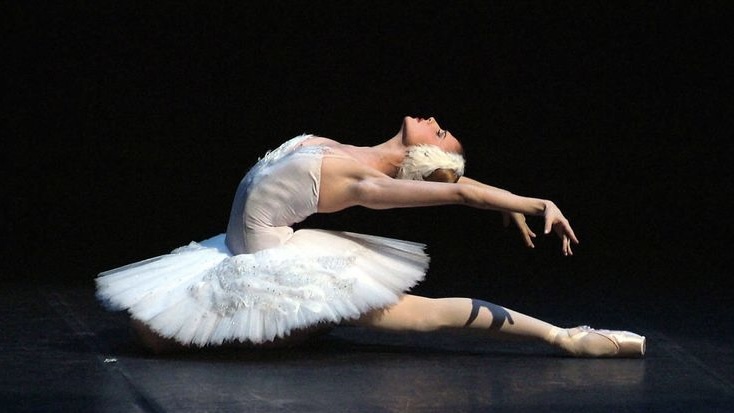
How to Improve Toe Point in Ballet
April 28, 2026
5 Ways to Hold Spin Positions Longer
Competition highlights, industry trends, expert opinions, and stories from athletes and artists worldwide — delivered straight to your inbox