 English
 中文 (中国)
 Español
July 29, 2026
5 Skills Named After Olympic Gymnasts
April 09, 2025
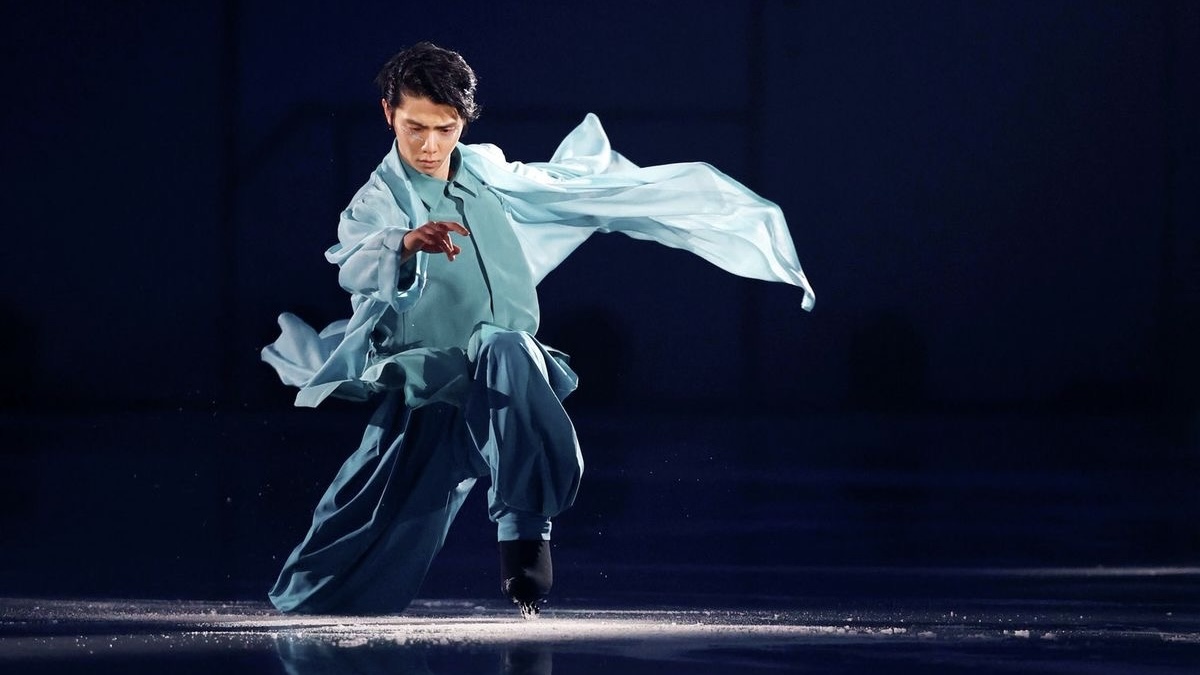
In figure skating, every spin, jump, and glide is a brushstroke on an icy canvas, and music is the heartbeat that brings it to life. From the soaring strings of Tchaikovsky to the pulsing beats of modern pop, the soundtrack of a skating routine isn’t just background noise—it’s a driving force that shapes performance, emotion, and judges’ scores. For skaters, picking the right music can elevate a program from good to unforgettable. Here’s how music selection impacts skating routines and why it’s a game-changer on the ice.
Music sets the emotional landscape of a routine. “It’s your story,” says Olympic champion Yuna Kim, whose iconic 2010 Vancouver performance to Gershwin’s Concerto in F blended elegance with power. A classical piece like Vivaldi’s The Four Seasons might call for delicate spins and intricate footwork, evoking grace, while a dramatic film score—like John Williams’ Schindler’s List—demands intensity and deep expression, as seen in Sasha Cohen’s 2006 Olympic free skate.
This emotional pull isn’t just artistic—it’s neurological. A 2021 Frontiers in Psychology study found that music with strong emotional resonance boosts dopamine release, heightening a skater’s focus and connection to the routine. Judges feel it too; the International Skating Union (ISU) scoring system awards points for interpretation, making music a direct line to higher marks when it’s matched to movement.
Skating is a sport of precision, and music’s rhythm dictates the pace. “You’re syncing your body to the beat,” says ice dancer Scott Moir, part of the duo whose 2018 PyeongChang gold-medal Moulin Rouge! routine thrived on its tango tempo. Upbeat tracks—like Nathan Chen’s 2022 Olympic free skate to Elton John’s Rocket Man—drive fast spins and triple jumps, amplifying energy. Slower melodies, such as Michelle Kwan’s 1998 Lyra Angelica, allow for lyrical extensions and flowing edges.
Science backs the sync. A 2020 Journal of Sports Sciences study showed that athletes performing to rhythmic music improved timing accuracy by 18% compared to silence, thanks to auditory-motor coupling—where the brain aligns movement to sound. For skaters, hitting a triple Axel on a musical climax isn’t luck; it’s entrainment, making rhythm a technical ally.
Music doesn’t just inspire—it structures the routine. Choreographers map jumps, spins, and step sequences to a track’s peaks and valleys. “The music tells me where the big moments go,” says Lori Nichol, who crafted routines for Evan Lysacek’s 2010 Olympic gold. A crescendo might cue a quad jump, while a quiet bridge sets up a spin combo. Jason Brown’s 2014 Riverdance program synced Irish reels to lightning-fast footwork, earning raves for its complexity.
This alignment boosts scores. The ISU rewards “choreographic cohesion”—how well elements mesh with music. A 2019 Sport Psychology analysis found that routines with strong musical integration scored 10-15% higher in choreography and presentation, as judges notice when a skater “lives” the soundtrack.
Music reflects a skater’s personality, forging a bond with the crowd. “It’s how I show who I am,” says Japan’s Yuzuru Hanyu, whose ethereal 2018 Olympic Seimei program channeled his mystique through traditional Japanese tones. Bold picks—like Tessa Virtue and Moir’s sultry Carmen in 2010—can redefine a skater’s image, while familiar tunes, like Adam Rippon’s 2018 Coldplay medley, spark instant audience singalongs.
Emotionally charged music amplifies this. A 2022 Psychology of Music study found that spectators rated performances with recognizable or evocative music 20% higher in engagement—translating to louder cheers and, indirectly, judge sway. When Hanyu skated to Chopin’s Ballade No. 1 in 2014, the crowd’s roar mirrored the music’s swell, lifting the moment.
Not every choice lands. “Music can make or break you,” says Nichol. An ill-fitting track—like a slow ballad for a high-energy skater—can throw off pacing or confuse the narrative, as seen in some early-career stumbles. Post-2014 ISU rules allowing vocals opened new risks: lyrics can distract if they clash with movement. Johnny Weir’s 2006 The Swan soared with its simplicity, but his later vocal-heavy experiments drew mixed reviews.
Tempo mismatches are another pitfall. A 2021 Journal of Motor Behavior study showed that music 10-15% faster or slower than a skater’s natural rhythm cut jump success rates by 12%, as the brain struggles to recalibrate. Skaters must test tracks relentlessly—Hanyu famously tweaks music edits to match his stride.
How do skaters choose? “It has to feel right,” Chen says. Start with what moves you—classical for elegance, pop for punch, or film scores for drama. Test it on ice: does the beat match your jumps? Does the mood fit your style? Coaches and choreographers weigh in, but the skater’s gut rules. Kim picked Gershwin after months of trials, ensuring every note clicked.
Variety helps too. “Don’t repeat yourself,” Nichol advises. Skaters who switch genres—like Brown’s shift from Riverdance to Sinatra in 2018—keep judges guessing and showcase range. A 2020 ISU survey found that 68% of top skaters used diverse music over a season, correlating with higher program component scores.
Music isn’t just a skating accessory—it’s a partner that shapes every element, from technical precision to emotional punch. It syncs body and mind, tells a story, and sways the scoreboard. Science shows it’s more than flair: rhythm hones timing, emotion fuels connection, and structure lifts choreography. For skaters, the right track is a superpower—turning a routine into a moment that echoes beyond the rink. Next time you watch, listen closely: the music isn’t just playing; it’s performing.
By Vitalina Andrushchenko, Staff Writer
July 29, 2026
5 Skills Named After Olympic Gymnasts
March 17, 2026
Hall of Fame: ISU Figure Skating Awards Winners
March 24, 2026
2026 World Figure Skating Championships in Prague
Competition highlights, industry trends, expert opinions, and stories from athletes and artists worldwide — delivered straight to your inbox