 English
 中文 (中国)
 Español
July 29, 2026
5 Skills Named After Olympic Gymnasts
April 11, 2025
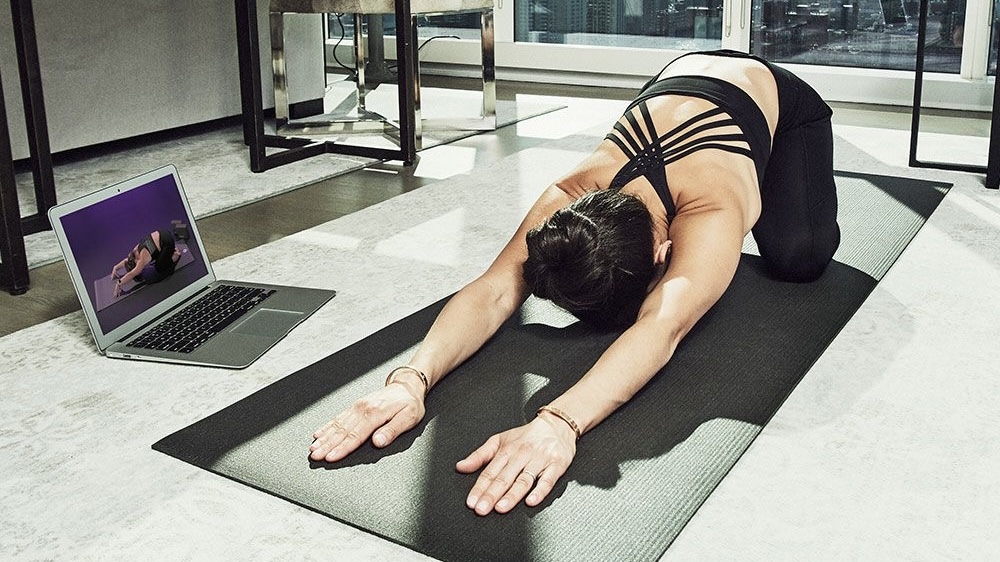
In an age where screens dominate our lives, group online fitness classes have emerged as a surprising lifeline—blending sweat, connection, and a dash of psychology to keep us moving. Unlike solo workouts, these virtual gatherings tap into the power of community, turning burpees into bonding and planks into shared triumphs. But what drives their appeal? From social bonds to accountability, the psychology behind group online fitness reveals why they’re more than just a workout—they’re a mental game-changer.
Humans are wired for connection—it’s in our DNA. “We thrive in tribes,” says Dr. Susan Peirce Thompson, a psychology professor specializing in behavior. Group online fitness classes recreate that primal sense of belonging, even through a screen. When you’re lunging alongside others, synced to an instructor’s cues, you’re not just exercising—you’re part of something bigger.
Science backs this up. A 2021 Journal of Social Psychology study found that group exercise participants reported a 25% higher sense of belonging compared to solo sweaters. Online, this translates to chat cheers or virtual high-fives—small acts that flood the brain with oxytocin, the “bonding hormone.” For regulars in a live-streamed yoga flow or HIIT blast, that “we’re in this together” vibe turns a workout into a social lifeline, especially when isolation looms.
Ever skip a solo run but show up for a group session? That’s accountability at work. “Knowing others expect you boosts commitment,” says Dr. Edward Deci, co-founder of Self-Determination Theory. In online classes, the instructor’s roll call or a buddy’s “See you there!” message creates a subtle pressure to log on. It’s not guilt—it’s the psychology of social norms nudging you to follow through.
A 2020 Health Psychology study found that group exercisers were 30% less likely to miss sessions than solo counterparts, thanks to this “watched” effect. Online, cameras might be off, but the live count of participants—or a post-class shoutout—keeps you tethered. For someone sweating through a virtual spin class, the thought of 20 others pedaling alongside can turn “maybe later” into “I’m here.”
Watching others move fires up your brain. “Mirror neurons make us mimic what we see,” says neuroscientist Dr. Marco Iacoboni. In a group online class, seeing a fellow participant nail a push-up or power through a sprint triggers your brain to copy—and push harder. It’s not competition; it’s contagion. That instructor’s energy? You catch it too.
This isn’t just theory. A 2019 Neuroscience & Biobehavioral Reviews study showed that observing effort in others boosts your own output by 15-20%, as dopamine surges with every mirrored move. Online, a split-screen of classmates or a pumped-up trainer amplifies this—suddenly, your plank holds five seconds longer because someone else’s grit rubs off.
Misery loves company—and so does fitness. “Shared effort bonds us,” says Dr. Laurie Santos, Yale happiness researcher. When you’re all groaning through a virtual bootcamp’s final squat set, there’s a strange joy in collective strain. It’s called the “effort heuristic”—the brain values goals more when they’re tough and communal. Post-class, that “We did it!” chat buzz cements the win.
A 2022 Psychology of Sport and Exercise study found that group exercisers reported 18% higher satisfaction than soloists, tied to this shared grind. Online, the instructor’s “One more rep!” unites you, turning pain into pride. For a remote Zumba crew or kettlebell squad, surviving together feels like a mini triumph—psychology’s gift of camaraderie.
Success breeds confidence, and groups amplify it. “When you see others succeed, you believe you can too,” says Dr. Albert Bandura, pioneer of social learning theory. In an online fitness class, a beginner watching a peer master a burpee—or hearing “Great job, everyone!”—internalizes that capability. It’s not just your win; it’s the group’s, and you ride the wave.
Evidence supports this. A 2021 Journal of Behavioral Medicine study showed that group exercise boosted self-efficacy (belief in ability) by 22% more than solo efforts, as vicarious wins stack up. Online, a live-streamed Pilates class cheering a collective milestone—like 100 sessions—lifts everyone, turning shaky planks into “I’ve got this.”
Online classes flip traditional group dynamics—no gym, no sweat-soaked hugs, yet the psychology holds. “Proximity isn’t the point; presence is,” Santos says. Live streams or interactive chats mimic in-person vibes, with instructors calling names or classmates typing “Way to go!” A 2020 Cyberpsychology, Behavior, and Social Networking study found that virtual group workouts matched in-person ones for social connection—80% of participants felt “close” despite miles apart.
The catch? Tech hiccups—laggy streams or muted mics—can fray the bond. But when it works, the screen shrinks distance, making a global barre class feel like a local crew.
It’s not all rosy. “Group energy can push too hard,” warns Deci. Chasing the pack online might lead to overtraining—10% of group exercisers reported burnout in a 2021 Sports Health study. And not everyone thrives in crowds; introverts might prefer solo runs over virtual cheers. The key? Blend group classes with personal pace—community as a boost, not a burden.
Group online fitness classes aren’t just workouts—they’re psychology in motion. Belonging bonds you, accountability anchors you, and mirrored effort ignites you. Science shows they spike motivation, satisfaction, and confidence—turning a screen into a sweat-soaked tribe. For the remote HIIT warrior or yoga flow devotee, it’s not about the reps alone; it’s the “us” that keeps you coming back. Log in, lean in, and let the group lift you—your mind’s already halfway there.
By Vitalina Andrushchenko, Staff Writer

July 29, 2026
5 Skills Named After Olympic Gymnasts
May 24, 2026
How to Improve Toe Point in Ballet

April 28, 2026
5 Ways to Hold Spin Positions Longer
Competition highlights, industry trends, expert opinions, and stories from athletes and artists worldwide — delivered straight to your inbox