 English
 中文 (中国)
 Español
December 25, 2025
Nancy Kerrigan’s $10 Million Legacy: Success Beyond the Ice
May 06, 2026
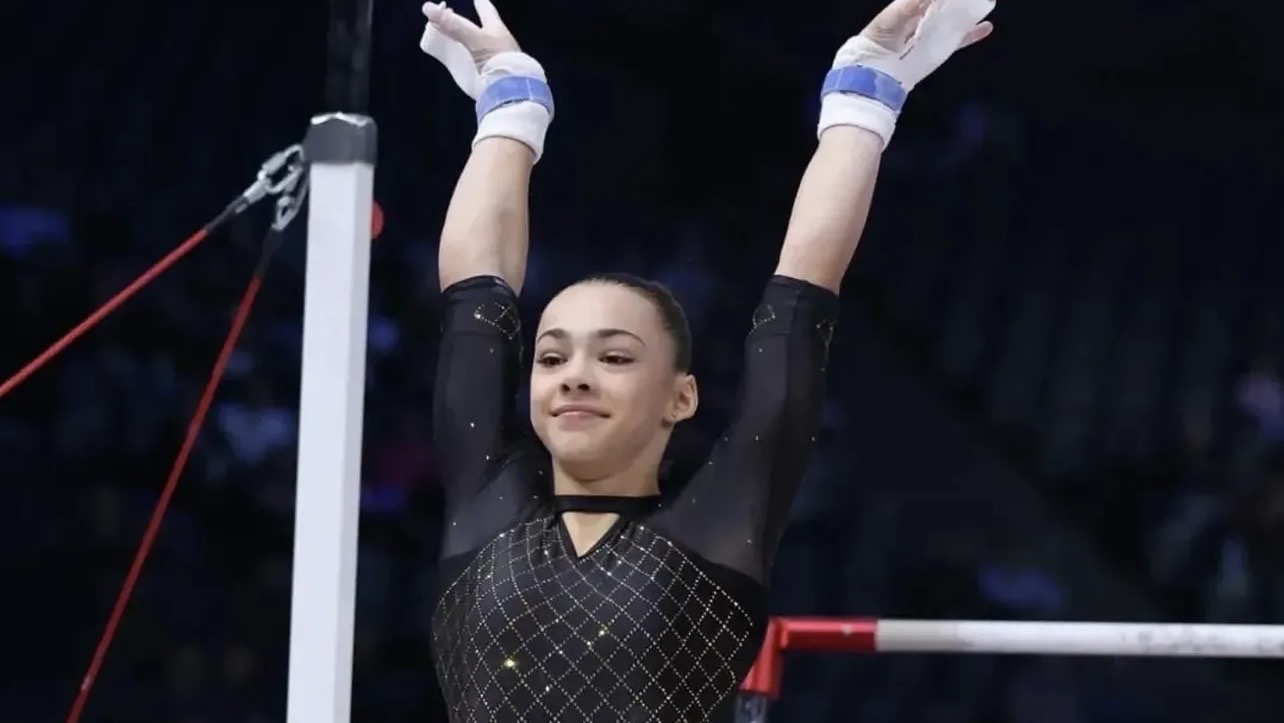
Romane Hamelin © Instagram / romane.hamelin
At the 2026 Osijek World Cup, something rare and exciting happened in artistic gymnastics. In a single Uneven Bars competition, three gymnasts introduced original elements — and all of them were officially recognized and named in the Code of Points.
This moment highlights how the sport continues to evolve, not only through execution but through innovation. Writing your name into the Code of Points is one of the highest achievements in gymnastics, as it means your skill becomes part of the sport’s permanent history.
To have a skill named after a gymnast, strict conditions must be met. The element must be submitted to the Women’s Technical Committee, evaluated, and assigned a difficulty value. Only skills rated C (0.3) or higher are eligible.
After approval, the gymnast must successfully perform the skill without major errors in an official international competition. Only then does the element receive its official name.
At Osijek, all three gymnasts met these requirements — making it a unique and historic competition.
Romane Hamelin introduced a refined variation of a well-known transition. Her element builds on the Pak salto but adds a toe-on entry, increasing complexity and control requirements.
This skill was awarded a C value and officially named “The Hamelin.” It demonstrates how even familiar elements can evolve through small but meaningful technical changes.
Athanasia Mesiri presented the most difficult of the three new elements. Her dismount transforms a clear hip movement into a forward salto in a stretched position.
With a D value (0.4), “The Mesiri” reflects higher risk and technical demand. It shows how originality combined with difficulty can significantly impact scoring potential.
Gabriela Rodrigues Barbosa introduced a dynamic dismount that begins with a stalder-type action and finishes with a forward piked salto and half turn.
This element, valued at C, is now known as “The Rodrigues.” It highlights creativity in building powerful and visually engaging dismounts.
Seeing three new elements named in one competition is rare. It reflects a growing emphasis on innovation in modern gymnastics. Athletes are no longer only refining existing skills — they are actively expanding the technical vocabulary of the sport.
For students, this is an important reminder: progress in gymnastics is not only about mastering what already exists, but also about thinking creatively and pushing boundaries.
The Osijek World Cup showed that innovation can come from different countries, styles, and levels of experience. What connects these gymnasts is their willingness to take risks and contribute something new.
Moments like this shape the future of artistic gymnastics. Each new element becomes part of the Code of Points, influencing how routines are built and how the next generation trains.
In the end, these skills are more than technical additions — they are a sign that the sport is alive, evolving, and constantly being redefined by the athletes themselves.
Source: article on gymnastics.sport, published April 21, 2026.
Achieve More With VSA: Boost your skills with world-class coaches for just $29/hour. Personalized programs 24/7, 365 days a year, anywhere in the world.
By Vitalina Andrushchenko, Staff Writer

December 25, 2025
Nancy Kerrigan’s $10 Million Legacy: Success Beyond the Ice
February 19, 2026
The Million-Dollar Medal: Alysa Liu’s Olympic Journey
January 08, 2026
2026 U.S. Skating Nationals Results
Competition highlights, industry trends, expert opinions, and stories from athletes and artists worldwide — delivered straight to your inbox