 English
 中文 (中国)
 Español
February 19, 2026
The Million-Dollar Medal: Alysa Liu’s Olympic Journey
April 15, 2025
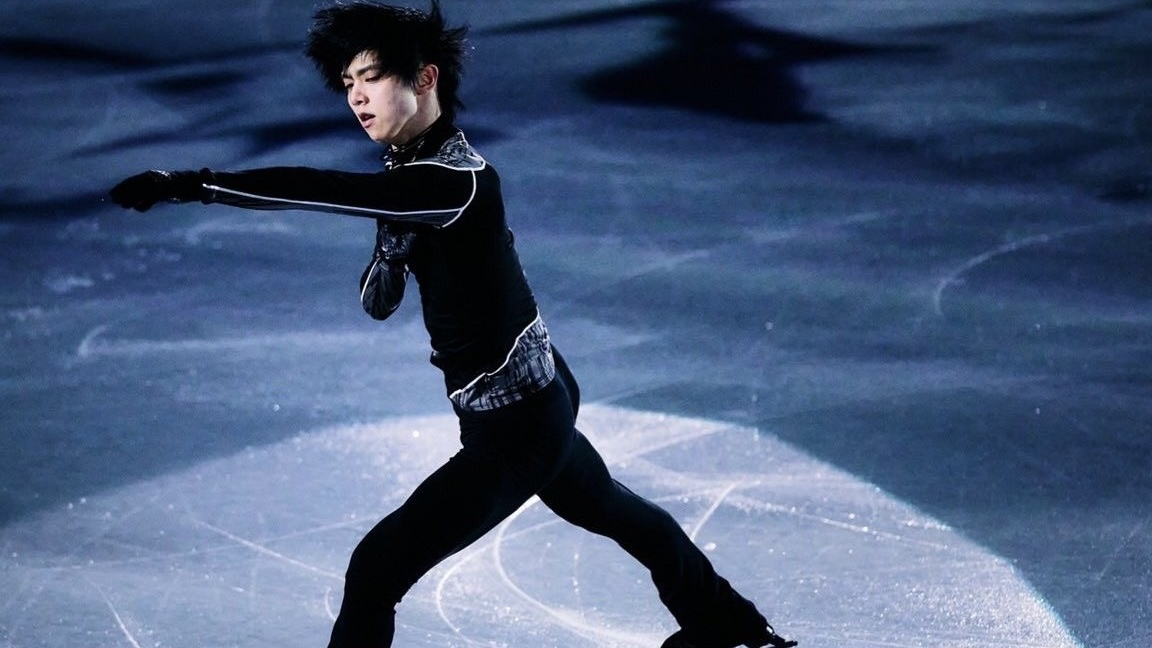
Figure skating demands a rare blend of artistry and athleticism—spins at dizzying speeds, jumps defying gravity, and landings that test every ounce of control, all on a razor-thin blade. While ice time hones technique, off-ice training builds the strength and flexibility that power those feats. For skaters like Yuzuru Hanyu and Nathan Chen, workouts away from the rink are non-negotiable, fueling explosive performance, preventing injuries, and unlocking longevity. Here’s why off-ice strength and flexibility training is a game-changer for figure skaters—and how VSA’s diverse off-ice programs elevate every glide.
Every quadruple Lutz or intricate lift starts with raw strength. “Muscles are your engine,” says Dr. Kelly Starrett, biomechanist and author of Becoming a Supple Leopard. Core strength stabilizes spins—Chen’s 300 RPM twirls rely on a rock-solid midsection. Legs drive jumps; Hanyu’s quads absorb forces up to five times his bodyweight on landings. Upper body strength, vital for pairs skaters like Sui Wenjing, makes lifts seamless.
Science backs the need. A 2021 Journal of Strength and Conditioning Research study found that skaters with 20% stronger cores and legs boosted jump height by 15% and reduced wobble on landings. Strength training off-ice builds muscle endurance, letting skaters maintain form through grueling programs—think Alina Zagitova’s relentless Carmen. Without it, fatigue creeps in, dulling precision and inviting falls. Off-ice work lays the groundwork for power that shines on ice.
Flexibility is skating’s signature—think Biellmann spins or Yuna Kim’s flowing spirals. “It’s not just aesthetics—it’s function,” says physical therapist Dr. Lisa Giannone, who works with elite athletes. Supple hips and hamstrings expand range of motion, making deep edges and high kicks effortless. Flexible shoulders and backs enhance lines, critical for ice dancers like Tessa Virtue, whose elegance scores points.
A 2020 Sports Medicine study showed that daily flexibility training increased joint range by 18%, improving spin positions and jump extensions. It also cuts strain risk—tight muscles snap under skating’s twists, but limber ones absorb stress. Skaters who stretch regularly, per a 2021 Journal of Sports Rehabilitation report, see 25% fewer overuse injuries like tendonitis. Off-ice flexibility work ensures every movement flows, blending beauty with resilience.
Skating’s repetitive jumps and falls—50+ per practice—hammer ankles, knees, and hips. “Strength and flexibility are your shield,” says Dr. Emily Kraus, Stanford sports medicine physician. Strong muscles stabilize joints; a 2019 British Journal of Sports Medicine meta-analysis found that strength training slashed sprain rates by 20%. Flexible tissues, meanwhile, handle awkward landings—like Chen’s quad recoveries—without tearing.
Data’s clear: skaters with off-ice regimens face 30% fewer stress fractures, per a 2020 Orthopaedic Journal of Sports Medicine study. Core and glute strength prevent lower-back pain, common in spins, while flexible hips dodge groin pulls in splits. For young skaters or veterans like Evgenia Medvedeva, off-ice training isn’t optional—it’s insurance against the rink’s grind.
Off-ice training doesn’t just protect—it amplifies. “You skate better when you’re stronger,” says Kraus. A 2021 Sports Health study linked off-ice strength work to 10% faster sprints and sharper edge control—key for intricate footwork like Virtue’s. Flexibility enhances recovery; a 2020 Physical Therapy study found that stretching post-practice cut next-day soreness by 15%, letting skaters train harder, sooner.
Consistency builds careers. Skaters like Hanyu, still landing quads in his late 20s, owe longevity to off-ice prep. A 2022 Journal of Aging and Physical Activity note showed that balanced strength and flexibility slow performance decline, keeping veterans competitive. Off-ice work sharpens the body’s tools, turning good skaters into great ones.
Training off-ice builds more than muscle—it forges mental grit. “Knowing your body’s ready breeds confidence,” says sports psychologist Dr. JoAnn Dahlkoetter. Mastering strength or hitting new flexibility marks—like a deeper stretch—translates to bolder skating. A 2021 Psychology of Sport and Exercise study found that off-ice training boosted self-efficacy by 18%, helping skaters like Zagitova attack programs with fearlessness.
The rink’s pressure—judges, crowds—feels lighter when you’ve built resilience off-ice. Structured workouts also teach discipline, vital for young skaters learning spins or pros like Medvedeva chasing Olympic dreams. Every off-ice session is a step toward owning the ice.
Without off-ice training, skaters hit limits—jumps fall short, spins wobble, injuries stack up. Strength powers the explosive and endures the repetitive; flexibility unlocks grace and guards joints. Together, they build a body that performs, recovers, and lasts. “Ice time refines, but off-ice defines,” says Starrett. For every skater, from novices to elites like Kim, these workouts aren’t extras—they’re the backbone of brilliance.
VSA understands that off-ice training is the heart of figure skating success. That’s why vsaworld.com offers a wide range of off-ice private and group classes, tailored for skaters of all ages and levels. Private sessions provide one-on-one coaching, zeroing in on strength or flexibility goals—perfect for building power like Chen or flow like Kim. Group classes foster a supportive community, blending workouts to boost endurance, mobility, and resilience, ensuring every skater thrives. Live or recorded, VSA’s diverse programs fit any schedule, empowering beginners to Olympians to train smarter off-ice and shine brighter on it.
Off-ice strength and flexibility training isn’t just prep—it’s the foundation of figure skating greatness. Science shows it lifts jumps, sharpens spins, and cuts injuries by double digits, while stories from Hanyu to Virtue prove it fuels careers. Strength builds power; flexibility crafts elegance; both forge confidence and durability. Without them, the ice exposes weaknesses—with them, it showcases stars. VSA’s varied off-ice classes on vsaworld.com make this training accessible to all, turning every skater’s potential into performance. Step off the ice to soar on it—your next leap starts here.
By Vitalina Andrushchenko, Staff Writer
February 19, 2026
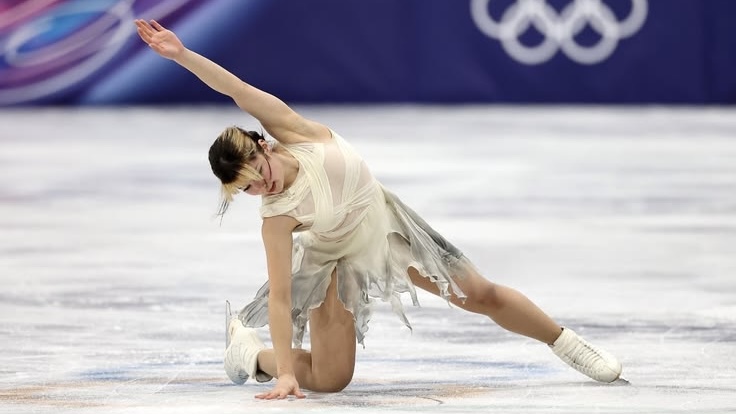
The Million-Dollar Medal: Alysa Liu’s Olympic Journey

December 25, 2025
Nancy Kerrigan’s $10 Million Legacy: Success Beyond the Ice
January 08, 2026
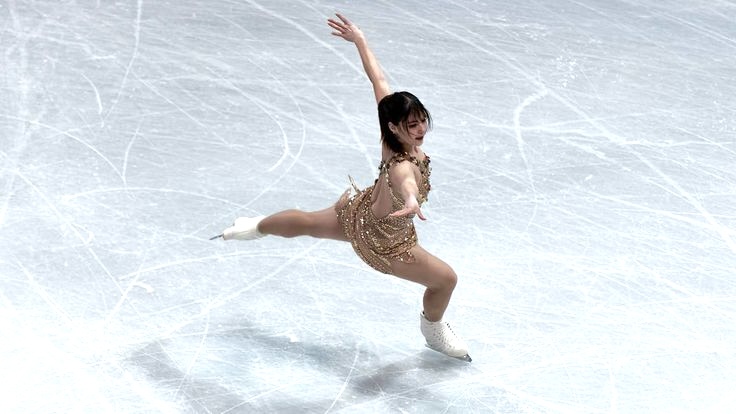
2026 U.S. Skating Nationals Results
Competition highlights, industry trends, expert opinions, and stories from athletes and artists worldwide — delivered straight to your inbox