 English
 中文 (中国)
 Español
February 19, 2026
The Million-Dollar Medal: Alysa Liu’s Olympic Journey
June 17, 2026
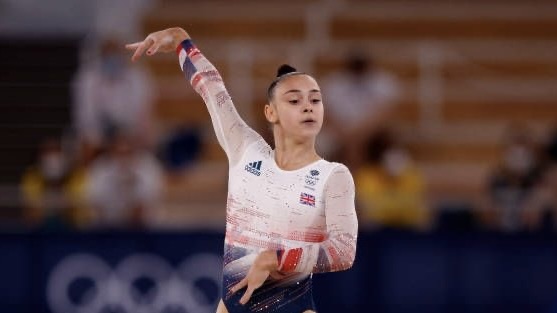
When people watch floor routines in artistic gymnastics, they often focus on the biggest skills: tumbling passes, twists, and difficult acrobatic combinations.
However, one of the most important factors behind a successful floor routine is endurance.
A gymnast may have the difficulty needed to win medals, but without the endurance to maintain technique from the first second to the last pose, scores can quickly drop.
Floor exercise demands a unique combination of strength, power, flexibility, artistry, and cardiovascular fitness.
A floor routine lasts up to 90 seconds for women and up to 70 seconds for men. That may not sound long, but gymnastics routines require repeated bursts of maximum effort.
During a routine, gymnasts sprint into tumbling passes, absorb powerful landings, perform jumps, turns, choreography, and immediately prepare for the next element.
Unlike many sports, there are no substitutions, no breaks, and no opportunities to recover.
The body must continue producing explosive movements even as fatigue increases.
One of the first things coaches notice when a gymnast becomes tired is a decline in technique.
As energy decreases:
Small technical mistakes can quickly add up to significant deductions.
This is why endurance training is often just as important as learning new skills.
Fatigue doesn’t only affect performance—it can also increase injury risk.
When athletes become tired, reaction times slow and movement quality often decreases.
For example, a gymnast who is fatigued during the final tumbling pass may struggle to maintain proper alignment during landing.
Poor mechanics place additional stress on ankles, knees, hips, and the lower back.
Building endurance helps athletes maintain safer movement patterns throughout the entire routine.
A strong example of floor endurance can be seen in Jessica Gadirova.
Throughout her international career, Gadirova has become known for performing high-energy routines while maintaining strong execution from beginning to end. Even after completing difficult tumbling passes, she continues to perform choreography with commitment and expression rather than appearing fatigued.
When analyzing her performances, one noticeable feature is her ability to preserve power late in the routine. Many gymnasts show visible decreases in height and explosiveness during their final pass. Gadirova often maintains strong dynamics throughout the entire exercise, demonstrating how conditioning and endurance contribute directly to performance quality.
Floor routines are not judged solely on acrobatics.
Judges also evaluate presentation, expression, rhythm, and choreography.
When a gymnast becomes exhausted, artistry is often the first area to suffer.
Facial expression disappears, movement quality decreases, and choreography may begin to look rushed or incomplete.
Gymnasts with strong endurance can continue performing confidently even after difficult tumbling sections.
Elite gymnasts use several methods to improve endurance:
The goal is not simply to become fitter, but to perform skills efficiently while tired.
Endurance training must be balanced with recovery.
Sleep, nutrition, hydration, and proper rest allow athletes to adapt to training demands.
Without recovery, excessive conditioning can lead to fatigue and reduced performance.
The strongest gymnasts are not necessarily those who train the most, but those who recover effectively between sessions.
Floor exercise requires concentration from start to finish.
As physical fatigue increases, mental focus often becomes more difficult.
Gymnasts must remember choreography, maintain timing, and execute complex skills under pressure.
Mental endurance helps athletes stay composed even when they are tired.
Gymnasts can improve endurance by:
Small improvements in conditioning often produce noticeable improvements in competition performance.
Endurance is one of the most underrated components of floor exercise.
It affects technique, artistry, consistency, confidence, and even injury prevention.
The best floor gymnasts are not simply those who can perform difficult skills—they are the athletes who can perform them with the same quality from the opening pose to the final salute.
When endurance improves, every part of a floor routine becomes stronger.
Achieve More With VSA: Boost your skills with world-class coaches for just $29/hour. Personalized programs 24/7, 365 days a year, anywhere in the world.
By Vitalina Andrushchenko, Staff Writer
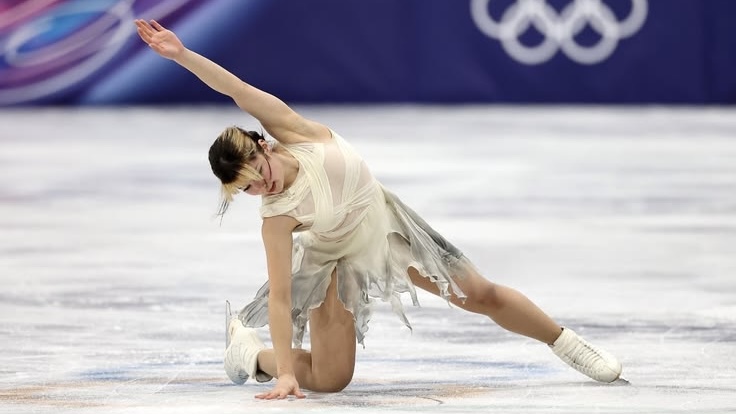
February 19, 2026
The Million-Dollar Medal: Alysa Liu’s Olympic Journey

December 25, 2025
Nancy Kerrigan’s $10 Million Legacy: Success Beyond the Ice
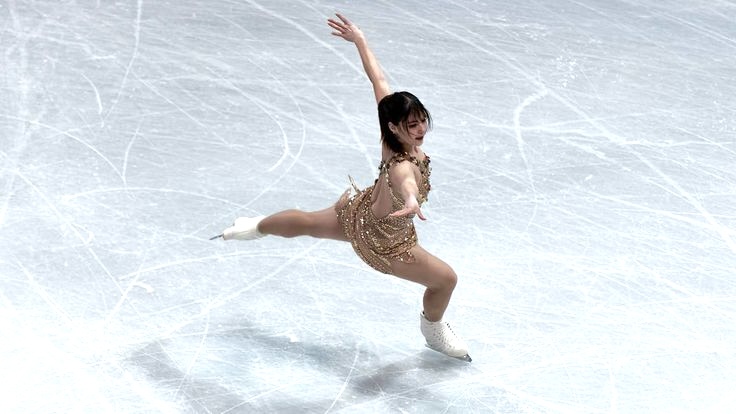
January 08, 2026
2026 U.S. Skating Nationals Results
Competition highlights, industry trends, expert opinions, and stories from athletes and artists worldwide — delivered straight to your inbox