 English
 中文 (中国)
 Español
February 19, 2026
The Million-Dollar Medal: Alysa Liu’s Olympic Journey
July 09, 2026
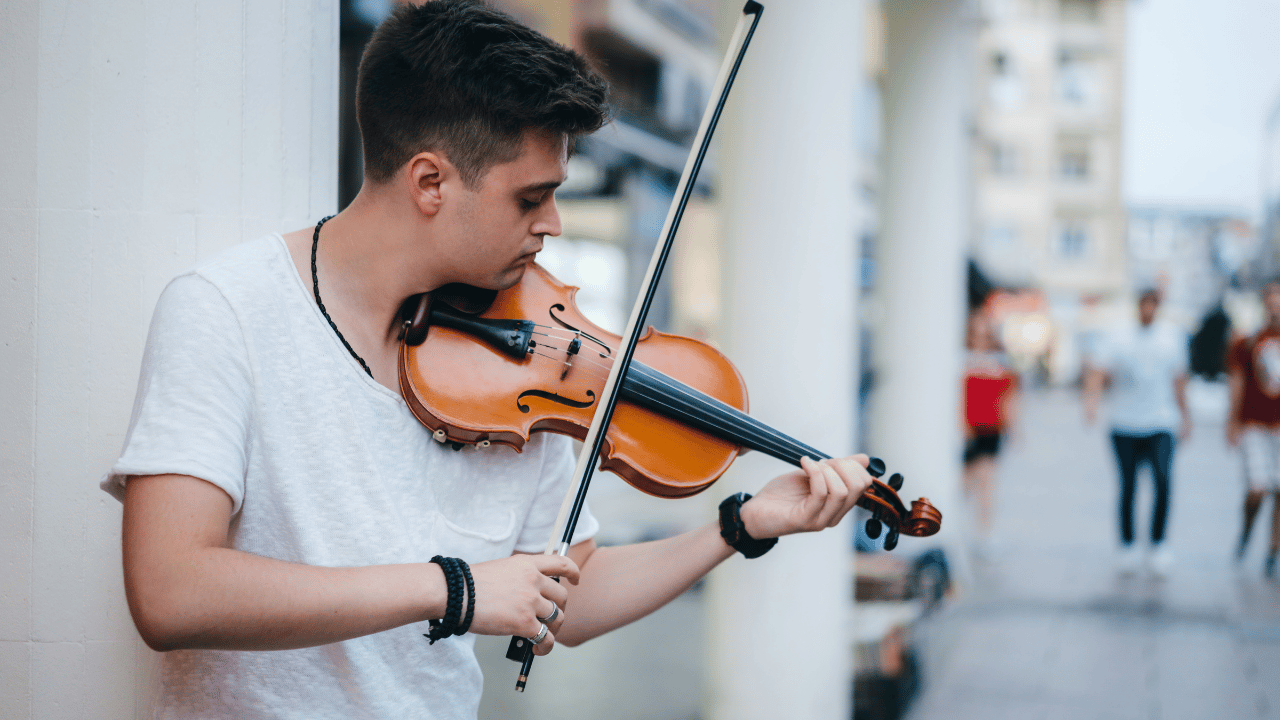
Music is often associated with emotion, inspiration, and creativity, but every skilled musician knows that consistent progress depends just as much on discipline. Whether you play the piano, violin, guitar, flute, or another instrument, improvement comes from balancing artistic expression with structured practice.
Great performances are built on thousands of small, focused decisions made during daily practice. While creativity gives music its personality, discipline provides the foundation that allows musicians to perform confidently under pressure.
Learning an instrument involves much more than simply playing pieces from beginning to end.
Musicians develop technical skills, improve rhythm, strengthen finger coordination, refine tone quality, build endurance, and learn to interpret different musical styles. These abilities require repetition, patience, and long-term consistency.
Research in music education shows that deliberate practice—working carefully on specific skills with clear objectives—is far more effective than simply practicing for long periods without a plan.
(Source: Ericsson’s research on deliberate practice, music education studies)
One of the biggest mistakes musicians make is setting goals that are too general.
Instead of saying, “I want to play better,” choose goals that are specific and measurable.
Examples include:
Learn one page of music by Friday, increase the metronome speed by 6 beats per minute this week, play a difficult passage five times correctly in a row, improve intonation in one section of a piece, memorize eight measures each practice session.
Small goals create regular success, making motivation much easier to maintain.
Successful musicians usually work toward several levels of goals at the same time.
A long-term goal might be preparing for a recital, audition, music exam, or competition over several months.
Weekly goals could include finishing one movement of a sonata, improving scales, or polishing difficult technical passages.
Daily goals should focus on concrete tasks that can be completed during one practice session. Completing small goals every day gradually leads to major improvements.
Many beginners believe that practicing for several hours automatically produces better results.
In reality, concentration matters more than total practice time.
Many professional musicians divide practice into short sections that include technical exercises, scales, repertoire, sight-reading, and musical interpretation. Changing activities helps maintain focus while reducing mental fatigue.
Even thirty to sixty minutes of focused practice can be more productive than several hours of distracted playing.
Keeping a practice journal helps musicians recognize improvement that might otherwise go unnoticed.
Recording practice sessions, writing down metronome speeds, tracking difficult passages, and noting weekly achievements make progress visible.
Looking back after several months often reveals improvements that are difficult to notice day by day.
Technical accuracy alone does not create memorable performances.
Dynamics, phrasing, articulation, tempo changes, and emotional communication transform correct notes into expressive music. As technique becomes more reliable through disciplined practice, musicians gain greater freedom to focus on interpretation and storytelling.
The strongest performers combine technical confidence with genuine musical expression.
Professional musicians often spend more time solving small technical problems than performing complete pieces during practice. Many conservatories encourage students to practice difficult passages in slow motion because slow repetition strengthens accuracy and long-term muscle memory more effectively than repeatedly playing at full speed.
(Source: Music pedagogy research)
Music is both an art and a discipline because success depends on imagination supported by consistent effort.
Setting realistic goals, practicing with purpose, and measuring progress help musicians stay motivated while developing both technical skill and artistic confidence. Every small improvement achieved today becomes part of tomorrow’s performance.
Achieve More With VSA: Boost your skills with world-class coaches for just $29/hour. Personalized programs 24/7, 365 days a year, anywhere in the world.
By Vitalina Andrushchenko, Staff Writer
February 19, 2026
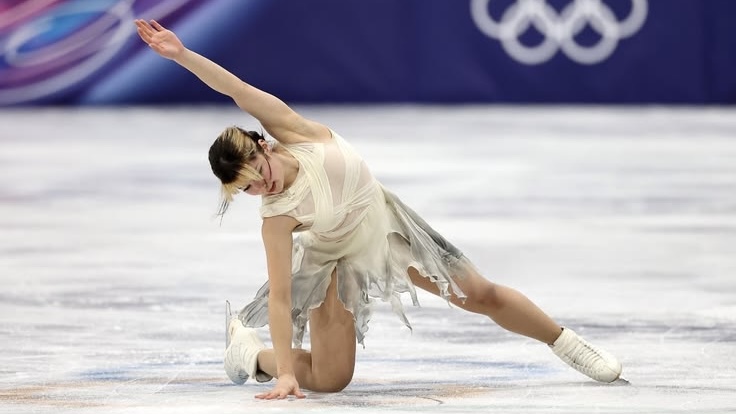
The Million-Dollar Medal: Alysa Liu’s Olympic Journey
February 21, 2026
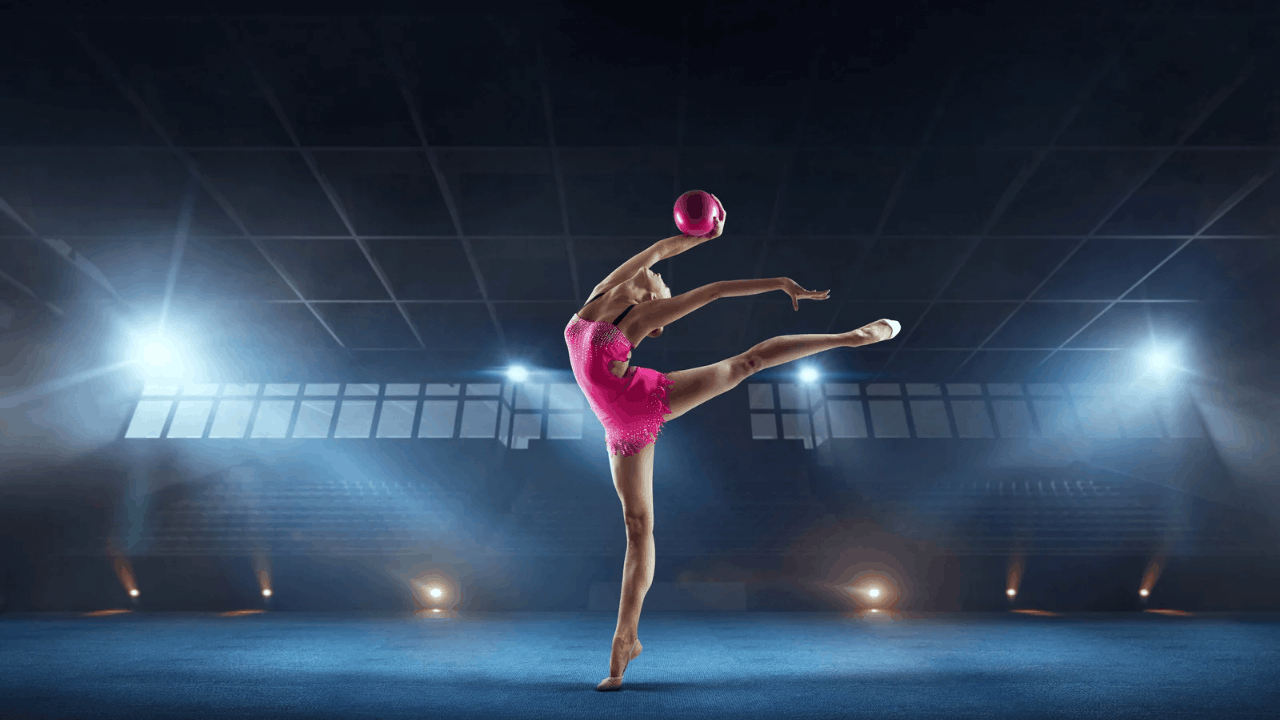
A Guide to Rhythmic Gymnastics Apparatus
February 18, 2026
Ami Nakai Stuns With Triple Axel to Lead Olympic Short Program
Competition highlights, industry trends, expert opinions, and stories from athletes and artists worldwide — delivered straight to your inbox