 English
 中文 (中国)
 Español
February 19, 2026
The Million-Dollar Medal: Alysa Liu’s Olympic Journey
May 16, 2026
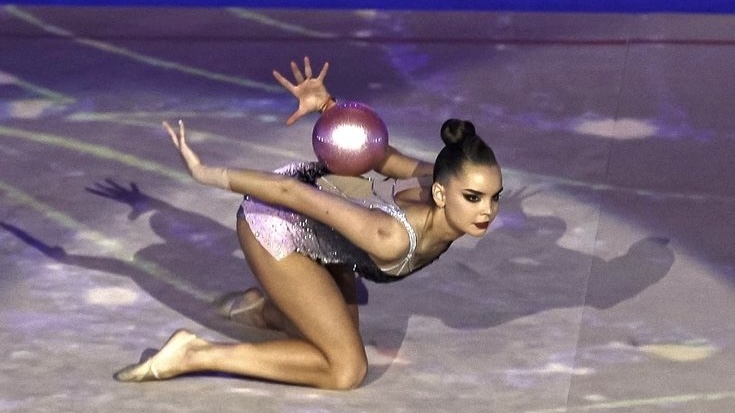
In rhythmic gymnastics, ribbon routines are not judged only by flexibility, turns, or difficult body elements. The speed of the ribbon itself plays a major role in how clean, dynamic, and professional a routine looks.
Fast and continuous ribbon movement creates the illusion that the apparatus is “alive” and connected naturally to the gymnast’s body. Slow or interrupted ribbon patterns, however, can make even technically difficult routines appear heavy or unfinished.
This is why elite ribbon performances often look fluid from beginning to end, with almost no pauses in apparatus energy.
When ribbon speed drops too much, technical issues usually appear quickly. The ribbon may begin to collapse, form knots, lose shape, or touch the floor unexpectedly.
Many gymnasts focus heavily on body choreography while accidentally forgetting that the ribbon itself must constantly maintain energy and direction. Strong ribbon work requires continuous control from the wrist, shoulder, and arm throughout the routine.
Even small decreases in speed can completely change the visual quality of a performance.
For example, Dina Averina became widely recognized for the clarity and speed of her ribbon handling during international competitions. One reason her routines looked especially dynamic was the constant energy she maintained through the apparatus, even during difficult turns and body elements. Her ribbon rarely appeared disconnected from the music or choreography.
Another important detail in Averina’s performances was her ability to match ribbon speed with musical intensity. During faster musical moments, the ribbon became sharper and more explosive, while softer sections still maintained controlled flow. This balance helped her routines feel expressive without losing technical precision.
Ribbon speed is not only technical — it also changes the emotional impact of a routine.
Fast spirals, snakes, and large throws create excitement and visual power, while controlled slower moments can create elegance and tension when used intentionally. The contrast between speeds often makes routines feel more musical and dramatic.
Gymnasts who understand how to vary ribbon energy usually create performances that feel more complete artistically.
Many gymnasts unintentionally slow the ribbon when they become nervous during competitions.
Fear of mistakes, knots, or apparatus loss can cause athletes to tighten their shoulders and reduce movement amplitude. This often makes the ribbon appear smaller, weaker, and less expressive.
Experienced gymnasts learn how to continue moving the ribbon confidently even under pressure, which helps maintain the overall quality of the routine.
Ribbon speed does not come only from moving the arm faster. It depends on technique, endurance, wrist control, and timing.
Basic drills such as continuous spirals, circles, snakes, and direction changes help athletes develop cleaner and more efficient apparatus handling. Over time, stronger fundamentals allow gymnasts to maintain speed without creating unnecessary tension.
This is why many elite athletes spend years refining simple ribbon exercises before mastering highly difficult routines.
In rhythmic gymnastics, ribbon routines often feel successful or unsuccessful based on apparatus energy alone.
A fast, controlled, and flowing ribbon creates visual confidence and makes routines appear larger, cleaner, and more expressive. Without proper speed, even beautiful choreography can lose impact.
At the highest level, ribbon speed becomes part of the gymnast’s overall artistic identity on the floor.
Achieve More With VSA: Boost your skills with world-class coaches for just $29/hour. Personalized programs 24/7, 365 days a year, anywhere in the world.
By Vitalina Andrushchenko, Staff Writer
February 19, 2026
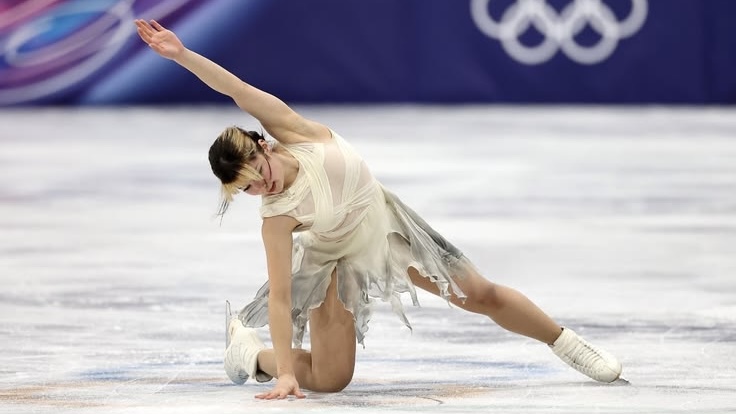
The Million-Dollar Medal: Alysa Liu’s Olympic Journey

December 25, 2025
Nancy Kerrigan’s $10 Million Legacy: Success Beyond the Ice
January 08, 2026
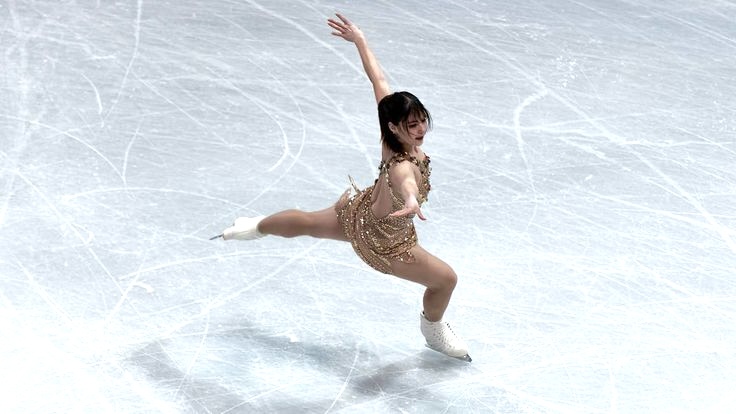
2026 U.S. Skating Nationals Results
Competition highlights, industry trends, expert opinions, and stories from athletes and artists worldwide — delivered straight to your inbox