 English
 中文 (中国)
 Español
February 19, 2026
The Million-Dollar Medal: Alysa Liu’s Olympic Journey
May 27, 2026
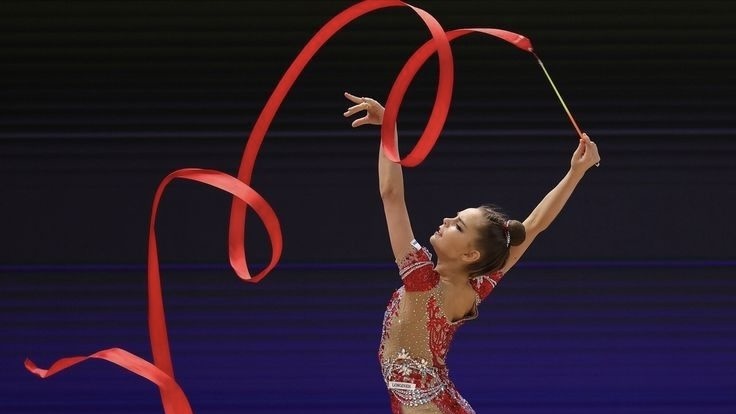
Many rhythmic gymnasts think ribbon twisting happens randomly in the air. In reality, incorrect ribbon twists usually begin before the apparatus even leaves the hand.
The smallest mistake in wrist angle, release direction, arm tension, or body timing can completely change how the ribbon travels through space. Unlike ball or clubs, ribbon constantly reacts to movement every second. It records every hesitation, every unstable hand position, and every loss of rhythm immediately.
This is why ribbon often becomes one of the most frustrating apparatuses for beginners and even advanced gymnasts.
One of the biggest technical problems comes from inconsistent wrist action.
Many gymnasts throw with excessive force from the shoulder while the wrist becomes stiff or delayed. When this happens, the ribbon loses continuous flow and begins collapsing or twisting around itself.
Strong ribbon technique usually comes from soft but precise wrist articulation rather than large aggressive arm movement.
Experienced gymnasts often make ribbon work look effortless because the hand stays relaxed while controlling extremely detailed circular motion.
Ribbon rarely moves independently from the body.
If shoulders rotate unevenly, posture collapses, or weight transfer happens too late, the ribbon trajectory changes immediately. Some gymnasts focus only on the apparatus itself while forgetting that the body creates the ribbon pathway first.
Even slight leaning during turns or jumps can pull the ribbon off-axis and create unwanted spirals or knots.
Incorrect timing is another major reason ribbon twists appear.
Many beginners release the ribbon either slightly too early or too late during throws. As a result, the ribbon loses tension and begins folding into itself instead of extending fully through the air.
This becomes especially visible during large throws combined with pivots or body rotations. The apparatus must remain connected to the body rhythm continuously, otherwise the ribbon starts “dying” visually before the catch even happens.
For example, Dina Averina became especially known for her remarkable ribbon control under extremely high-speed routines. One reason her ribbon often appears unusually clean is her precise synchronization between body rhythm, wrist articulation, and musical timing.
When analyzing elite ribbon specialists, an interesting detail appears: their throws are often not the strongest physically. Instead, the apparatus travels cleanly because energy flows continuously through the entire movement without interruption.
Top gymnasts also maintain extraordinary finger sensitivity. Small adjustments during the release phase allow them to stabilize ribbon direction before major mistakes even become visible.
Psychological pressure often affects ribbon quality more than athletes realize.
When gymnasts become afraid of knots or mistakes, the hand usually tightens automatically. This tension interrupts fluid wrist motion and ironically increases the chance of twisting errors.
Many coaches therefore focus heavily on rhythm and relaxation drills rather than only repeating difficult throws mechanically.
Ribbon technique often improves once the gymnast stops “fighting” the apparatus and begins moving with it naturally.
Ribbon is unique because external conditions strongly affect performance.
Even small air currents inside competition arenas can slightly change ribbon behavior during long throws. Faster routines also create more air resistance, meaning the gymnast must maintain stronger tension and cleaner pathways throughout movement.
This is why some ribbon routines look stable in practice halls but become inconsistent in large competition venues.
One useful exercise is practicing ribbon circles slowly while watching the stick angle carefully in a mirror. This helps improve awareness of hand pathway consistency.
Another effective drill is working on throw entries separately without full choreography. Many ribbon mistakes actually begin during rushed preparation steps before the release itself.
Gymnasts can also practice maintaining continuous ribbon motion while walking or turning slowly to improve coordination between body rhythm and apparatus timing.
Video analysis is especially important for ribbon because small wrist mistakes are often invisible during real-time practice.
Interestingly, breathing patterns also affect ribbon quality.
Many gymnasts unconsciously hold their breath during difficult exchanges or risky throws. This creates stiffness through the shoulders and arms almost instantly.
Elite ribbon work often looks smooth partly because the gymnast maintains relaxed breathing and natural body rhythm even during highly difficult apparatus elements.
The best ribbon routines often create the illusion that the apparatus moves by itself.
In reality, this effect comes from hundreds of hours spent refining tiny technical details that audiences barely notice — wrist softness, shoulder alignment, release timing, finger pressure, and musical phrasing.
Ribbon is extremely unforgiving technically, but when movement, music, and apparatus finally connect together, it becomes one of the most visually artistic events in rhythmic gymnastics.
Achieve More With VSA: Boost your skills with world-class coaches for just $29/hour. Personalized programs 24/7, 365 days a year, anywhere in the world.
By Vitalina Andrushchenko, Staff Writer
February 19, 2026
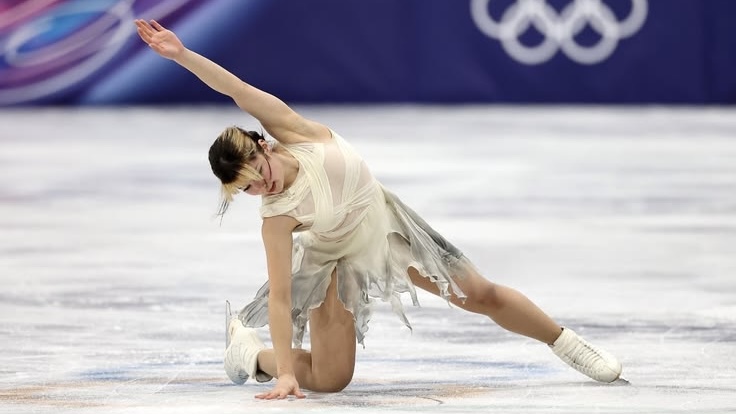
The Million-Dollar Medal: Alysa Liu’s Olympic Journey

December 25, 2025
Nancy Kerrigan’s $10 Million Legacy: Success Beyond the Ice
January 08, 2026
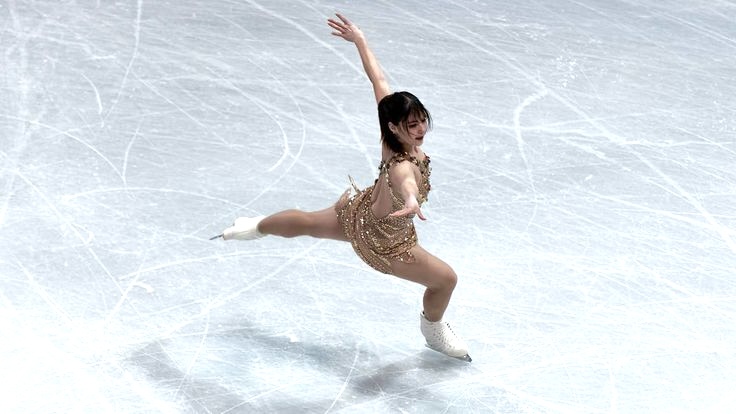
2026 U.S. Skating Nationals Results
Competition highlights, industry trends, expert opinions, and stories from athletes and artists worldwide — delivered straight to your inbox