 English
 中文 (中国)
 Español
February 19, 2026
The Million-Dollar Medal: Alysa Liu’s Olympic Journey
March 03, 2025

Resistance bands have surged in popularity, becoming a staple in home gyms and fitness studios alike. Their portability, affordability, and versatility make them a fantastic tool for anyone looking to enhance their fitness routine. But are they primarily for working out or stretching? The answer, delightfully, is both.
Building Strength and Muscle with Resistance Bands
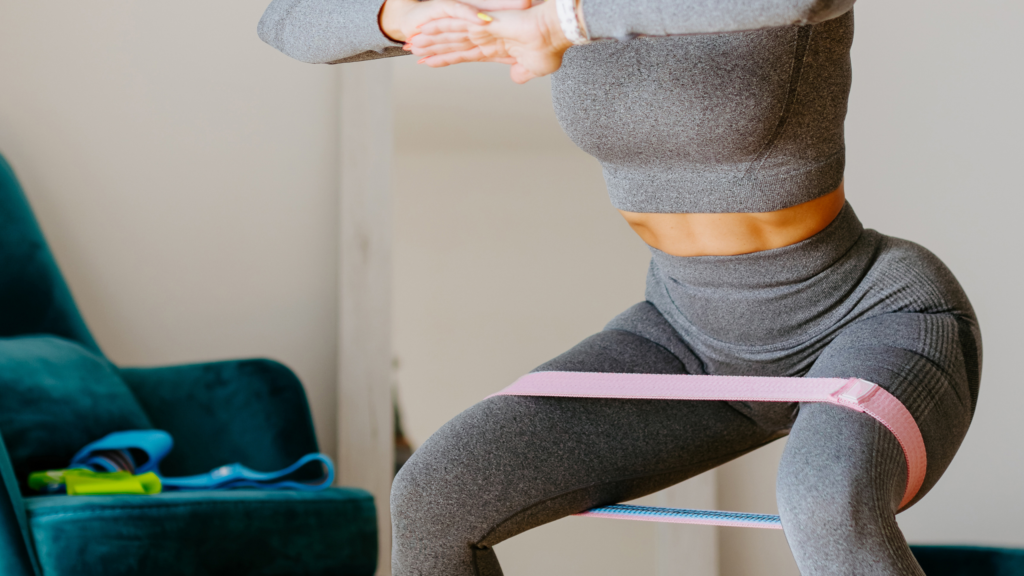
Resistance bands provide a dynamic form of resistance training. Unlike free weights, which rely on gravity, bands offer variable resistance throughout the range of motion. This means the tension increases as you stretch the band, challenging your muscles in a unique way. You can effectively target major muscle groups like your legs, glutes, arms, and core with exercises like squats, rows, bicep curls, and lateral raises.
The constant tension provided by resistance bands also helps to improve muscle activation and recruitment. This can lead to increased strength, muscle endurance, and even hypertrophy (muscle growth) when used consistently with progressive overload (gradually increasing the resistance or repetitions). Whether you’re a beginner or an experienced lifter, resistance bands offer a scalable and effective way to build strength without the need for heavy equipment.
Enhancing Flexibility and Mobility with Resistance Bands
Beyond strength training, resistance bands are invaluable for improving flexibility and mobility. They can be used to assist with stretching exercises, allowing you to deepen stretches and target specific muscle groups. For example, using a band to assist with hamstring stretches can help you achieve a greater range of motion and improve flexibility in the back of your legs.
Resistance bands are also excellent for dynamic stretching, which involves moving through a range of motion to warm up your muscles before a workout. They can be used to perform exercises like leg swings, arm circles, and torso twists, helping to increase blood flow and prepare your body for activity.
Furthermore, resistance bands can be incorporated into mobility drills to improve joint function and range of motion. They can be used to target areas like the hips, shoulders, and ankles, which are often prone to stiffness and tightness.
Combining Strength and Flexibility for Optimal Results
The beauty of resistance bands lies in their ability to seamlessly integrate both strength and flexibility training into your routine. You can use them for a comprehensive workout that targets all aspects of fitness, or incorporate them into specific sessions to address your individual needs.
For example, you could begin your workout with dynamic stretches using resistance bands, followed by a strength training circuit, and finish with static stretches to improve flexibility. This holistic approach can help you achieve a well-rounded fitness level, reduce your risk of injury, and improve your overall performance.
In conclusion, resistance bands are not limited to either working out or stretching; they excel at both. By incorporating them into your fitness routine, you can unlock a world of possibilities for building strength, enhancing flexibility, and improving your overall fitness.
By Vitalina Andrushchenko, Staff Writer

February 19, 2026
The Million-Dollar Medal: Alysa Liu’s Olympic Journey

December 25, 2025
Nancy Kerrigan’s $10 Million Legacy: Success Beyond the Ice

January 08, 2026
2026 U.S. Skating Nationals Results
Competition highlights, industry trends, expert opinions, and stories from athletes and artists worldwide — delivered straight to your inbox