 English
 中文 (中国)
 Español
February 19, 2026
The Million-Dollar Medal: Alysa Liu’s Olympic Journey
May 24, 2026
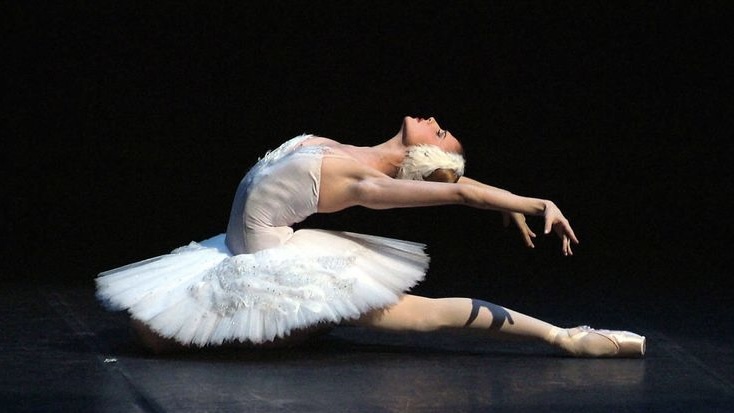
Svetlana Zakharova © Pinterest
Many ballet dancers believe beautiful toe point depends only on naturally flexible feet. In reality, strong toe point is created through a combination of mobility, strength, alignment, and muscle control.
A dancer may have flexible arches but still struggle to create clean lines if the ankles, toes, and lower legs are not working correctly together.
Professional ballet training focuses not only on “pointing harder,” but on building controlled articulation through the entire foot.
One common reason dancers struggle with toe point is lack of intrinsic foot strength.
Many beginners point mainly from the toes while the ankle remains sickled or partially relaxed. This creates broken lines instead of long continuous extension through the leg and foot.
Strong toe point usually starts from the back of the knee, continues through the ankle, and finishes through fully elongated toes.
Limited ankle mobility can strongly affect pointe quality.
If the ankle cannot fully extend, dancers often compensate by curling the toes excessively instead of lengthening through the entire foot. This may look tense rather than elegant.
Improving ankle articulation gradually through controlled exercises usually creates cleaner ballet lines over time.
For example, Svetlana Zakharova became famous partly because of her extraordinary foot lines and beautifully extended pointe work. One reason her toe point appears so refined is the combination of flexibility with exceptional muscular control through the ankles and feet.
Professional ballet dancers spend years strengthening the small muscles of the feet through repetitive technical exercises. Beautiful pointe is rarely only genetic — it is usually heavily developed through daily detailed training.
Many dancers focus only on the foot itself while forgetting overall leg alignment.
Turnout, knee extension, hip placement, and calf engagement all affect how the foot appears visually. Even strong feet can look weaker if the leg line above them is disconnected.
This is why ballet teachers constantly correct entire body placement rather than only telling students to “point harder.”
Slow tendus are one of the best exercises for improving toe articulation.
Moving through demi-pointe carefully while pressing each part of the foot into the floor helps strengthen control and awareness. Theraband resistance exercises can also improve ankle strength and stability when performed correctly.
Another effective method is practicing toe point while sitting or lying down slowly rather than forcing maximum tension immediately.
Some dancers try to improve toe point by aggressively stretching or forcing the feet daily.
However, excessive pressure may irritate tendons, create instability, or increase injury risk. Extremely forced foot stretching sometimes weakens the natural support structures needed for stable ballet technique.
Long-term improvement usually comes from balanced strengthening and mobility rather than painful overstretching.
Toe point usually improves gradually over long periods of consistent work.
Small daily exercises often create better results than occasional extreme training sessions. Many professional dancers spend years refining foot articulation even after entering major ballet companies.
The most elegant pointe work normally looks effortless because the feet become both strong and flexible simultaneously.
In ballet, audiences often notice toe point immediately because it completes the visual line of movement.
Clean pointe work makes jumps, extensions, turns, and balances appear more polished and artistic. However, the strongest ballet lines are not created through tension alone — they come from controlled coordination throughout the body.
The best toe point combines flexibility, strength, musicality, and technical precision together.
Achieve More With VSA: Boost your skills with world-class coaches for just $29/hour. Personalized programs 24/7, 365 days a year, anywhere in the world.
By Vitalina Andrushchenko, Staff Writer
February 19, 2026
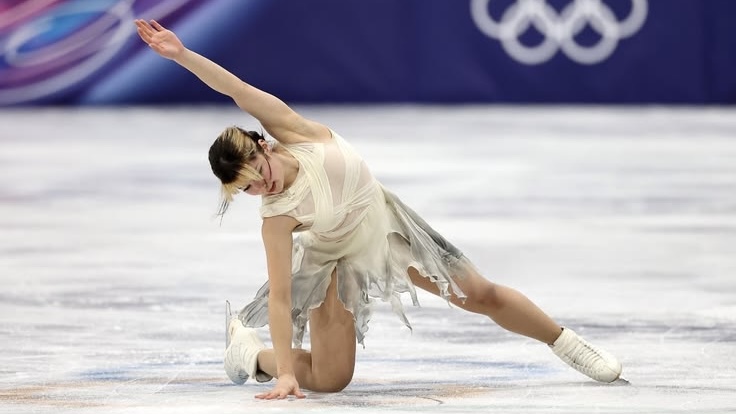
The Million-Dollar Medal: Alysa Liu’s Olympic Journey

December 25, 2025
Nancy Kerrigan’s $10 Million Legacy: Success Beyond the Ice
January 08, 2026
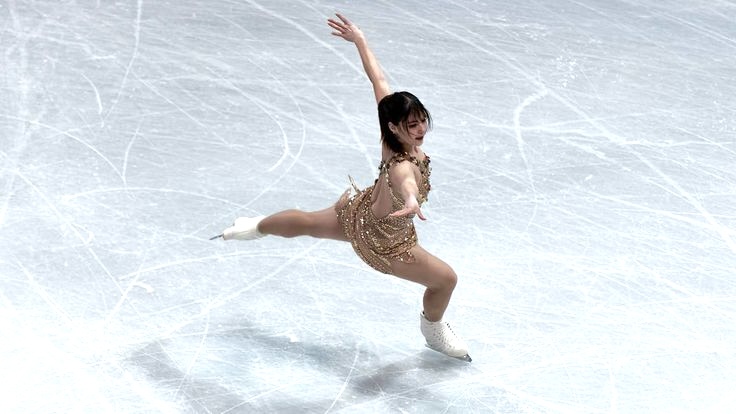
2026 U.S. Skating Nationals Results
Competition highlights, industry trends, expert opinions, and stories from athletes and artists worldwide — delivered straight to your inbox