

 English
 中文 (中国)
 Español


July 29, 2026
5 Skills Named After Olympic Gymnasts
March 04, 2025
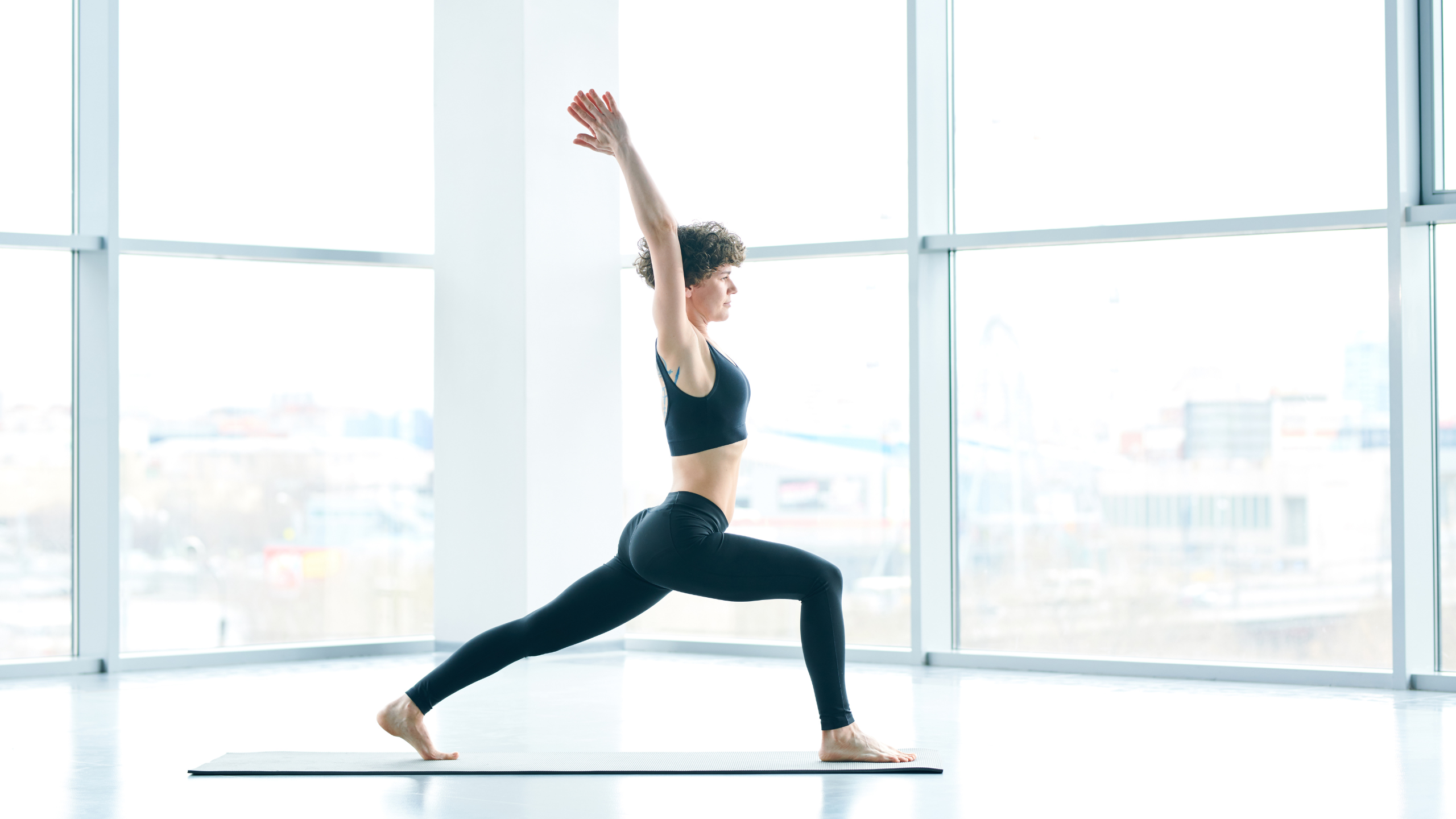
In the realm of fitness, we often focus on the physical benefits of exercise: building strength, improving cardiovascular health, and enhancing physical performance. However, the mental health benefits of exercise are equally profound, and flexibility exercises play a crucial role in fostering a healthy mind-body connection. For fitness enthusiasts, incorporating flexibility work into your routine can be a powerful tool for stress reduction, mood enhancement, and overall mental well-being.
The Mind-Body Connection: Flexibility and Stress Reduction
Flexibility exercises, such as stretching, yoga, and Pilates, are inherently calming. They encourage deep, mindful breathing, which activates the parasympathetic nervous system, the body’s “rest and digest” response. This counteracts the effects of stress, which triggers the sympathetic nervous system (“fight or flight”). By consciously relaxing muscles and focusing on the present moment during stretching, you can effectively reduce cortisol levels, the stress hormone, and promote a sense of tranquility. This is especially beneficial for fitness enthusiasts who often experience high levels of physical and mental stress from intense training.

Mood Enhancement and Emotional Regulation Through Movement
Movement, in general, has been shown to release endorphins, the body’s natural mood boosters. Flexibility exercises are no exception. The gentle, flowing movements of yoga or the controlled stretches of Pilates can elevate mood, reduce symptoms of anxiety and depression, and promote a sense of well-being. Furthermore, flexibility exercises can help improve body awareness, allowing you to become more attuned to your physical sensations and emotional state. This heightened awareness can facilitate emotional regulation and help you manage stress more effectively.
Mindfulness and Cognitive Benefits of Flexibility Practices
Many flexibility practices, such as yoga and tai chi, emphasize mindfulness, the practice of paying attention to the present moment without judgment. This mindful approach can enhance cognitive function, improve focus, and reduce mental clutter. By focusing on your breath and body sensations during stretching, you can train your mind to stay present and reduce the tendency to ruminate on negative thoughts. This can be particularly beneficial for fitness enthusiasts who often struggle with mental fatigue and burnout from rigorous training schedules.
Integrating Flexibility for Holistic Mental Wellness
Incorporating flexibility exercises into your fitness routine is a simple yet powerful way to enhance your mental health. Whether it’s a 10-minute stretching session after a workout, a weekly yoga class, or a daily mindfulness practice, prioritizing flexibility can have a profound impact on your overall well-being. By fostering a strong mind-body connection, reducing stress, enhancing mood, and promoting mindfulness, flexibility exercises can help you achieve not only physical fitness but also mental resilience and emotional balance.
By Vitalina Andrushchenko, Staff Writer
Competition highlights, industry trends, expert opinions, and stories from athletes and artists worldwide — delivered straight to your inbox


