

 English
 中文 (中国)
 Español


July 29, 2026
5 Skills Named After Olympic Gymnasts
March 09, 2025
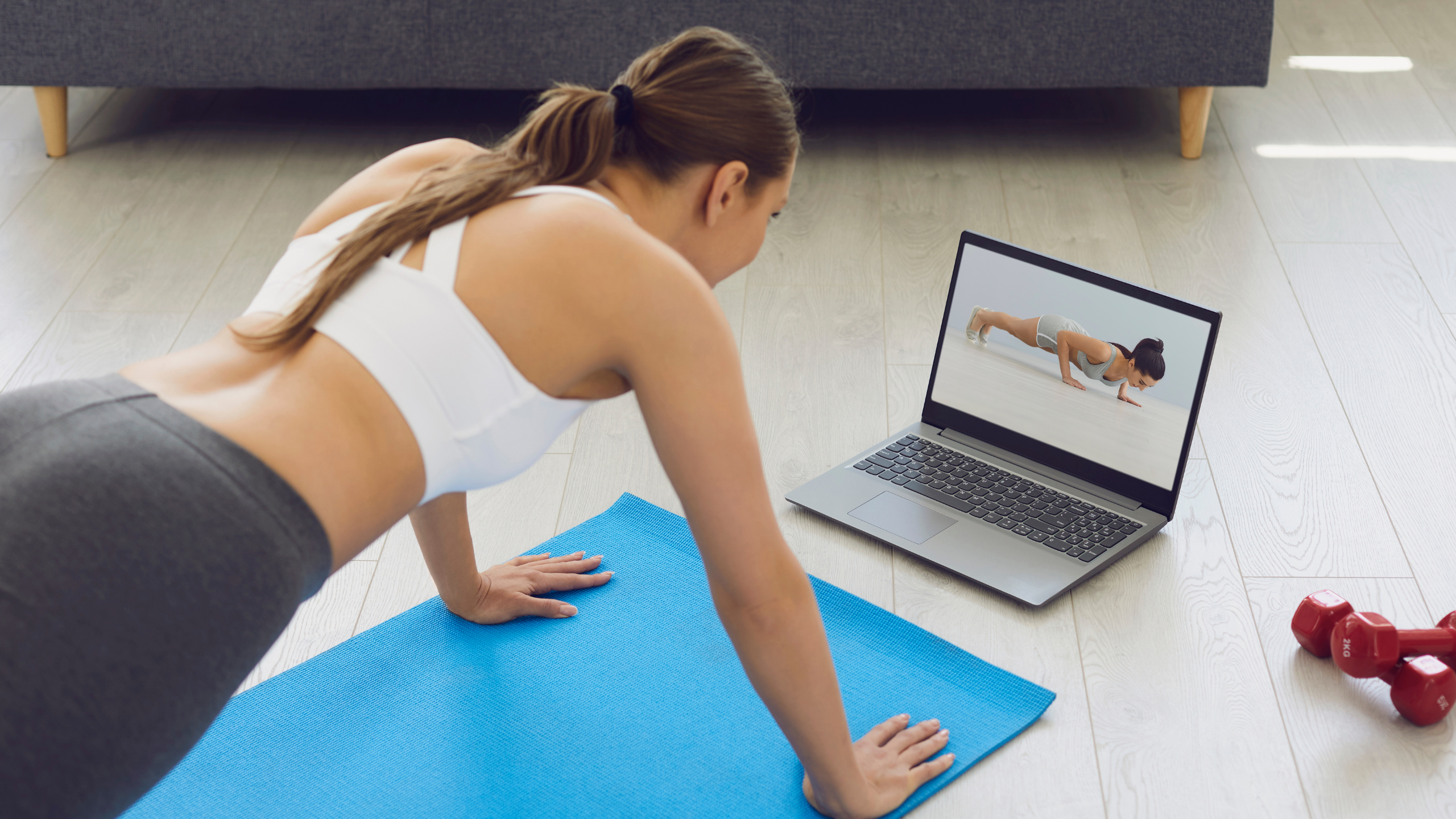
When it comes to fitness, one of the most common questions is: How often should I work out each week? The answer depends on your goals—whether you’re aiming to build muscle, improve endurance, lose weight, or simply stay healthy. Science provides a solid foundation for these recommendations, but real-world analysis, especially for home training sessions, can help tailor this advice to fit your lifestyle. Let’s dive into what research suggests and explore how home workouts can maximize your efforts.
Studies consistently show that workout frequency impacts results, but there’s no one-size-fits-all number. The American College of Sports Medicine (ACSM) recommends adults get at least 150 minutes of moderate-intensity aerobic exercise or 75 minutes of vigorous-intensity exercise per week, paired with muscle-strengthening exercises at least twice a week. For general health, this translates to about 3-5 sessions weekly, depending on duration and intensity.
For muscle growth, research published in Sports Medicine (2016) found that training each muscle group twice per week is optimal for hypertrophy, suggesting a total of 4-6 workouts if you’re splitting muscle groups (e.g., upper body one day, lower body the next). Fat loss, meanwhile, often benefits from higher frequency—5-6 sessions—since it combines cardio and strength to maximize calorie burn. However, overtraining risks increase beyond this, with studies like one from The Journal of Strength and Conditioning Research (2018) noting that recovery is critical to avoid plateaus or injury.
While the science sets the framework, home workouts bring flexibility and practicality into the equation. You don’t need a gym membership or fancy equipment to hit that 3-6 session sweet spot. Analysis of home training trends—especially since the rise of online fitness platforms—shows people are thriving with minimal setups. Here’s how you can make it work:
Science says 3-6 days is ideal, but home training’s beauty is customization. If your legs ache after three days of lunges on your living room rug, scale back. If you’re buzzing with energy after a five-day streak, push it. Tracking apps or a simple notebook can reveal patterns—maybe four days feels perfect, but five leaves you sluggish.
How many times a week should you work out? Aim for 3-6, leaning toward your goal: 3 for health, 4-5 for fitness, 6 for ambition. Home training sessions make it doable, affordable, and fun—no gym required. So grab that mat, cue up a playlist, and turn your space into a fitness hub. The science backs it; the analysis proves it works.
By Vitalina Andrushchenko, Staff Writer
Competition highlights, industry trends, expert opinions, and stories from athletes and artists worldwide — delivered straight to your inbox


