English
 中文 (中国)
 Español


July 29, 2026
5 Skills Named After Olympic Gymnasts
March 11, 2025

Russian ballet has long been revered as a pinnacle of artistry, discipline, and elegance, producing some of the world’s most iconic dancers. From the imperial stages of the Mariinsky Theatre to the grandeur of the Bolshoi, Russian ballerinas have captivated audiences with their technical precision and emotive storytelling. The tradition, rooted in the 18th century under Peter the Great and perfected through the Soviet era, continues to inspire dancers globally. Beyond their performances, these ballerinas have left behind a wealth of wisdom—practical tips that aspiring dancers and enthusiasts alike can apply to their craft and lives. In this article, we explore the legacy of Russian ballerinas and share three invaluable tips from some of the most famous among them: Anna Pavlova, Maya Plisetskaya, and Galina Ulanova.
Russian ballet emerged as a cultural force in the 17th and 18th centuries, initially intended to rival the sophisticated courts of France and Italy. Over time, it evolved into a distinctly Russian art form, blending athleticism with profound emotional depth. The Imperial Ballet School (now the Vaganova Academy) and choreographers like Marius Petipa set the stage for a golden age, while the Ballets Russes, under Sergei Diaghilev, introduced Russian dancers to the world. The Soviet era further solidified this legacy, with institutions like the Bolshoi Ballet and Mariinsky Ballet producing legends whose names still echo in dance history.
Ballerinas such as Anna Pavlova, who brought ballet to global audiences, and Maya Plisetskaya, who redefined the prima ballerina with her fiery spirit, exemplify the resilience and innovation of Russian dancers. Galina Ulanova, often hailed as the greatest ballerina of the 20th century, added a layer of poetic grace that inspired generations. These women didn’t just dance—they shaped the art form, overcoming personal and political challenges to leave an indelible mark. Their tips, drawn from years of dedication, offer a glimpse into the mindset and practices that fueled their success.
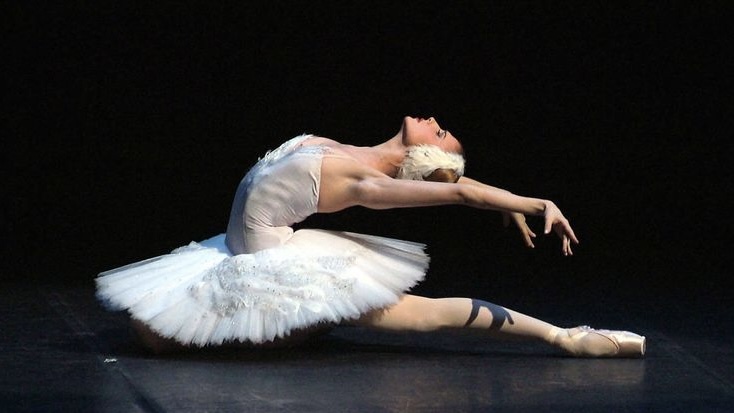
Anna Pavlova (1881–1931) remains one of the most celebrated ballerinas in history, known for her ethereal presence and the iconic role of The Dying Swan, choreographed for her by Michel Fokine. As the first ballerina to tour the world with her own company, she brought ballet to places like South America, India, and Australia, inspiring countless dancers. Despite her relatively modest technique compared to modern standards, Pavlova’s ability to infuse every movement with emotion set her apart.
Her tip, “Dance with your soul,” reflects her belief that ballet is more than physical prowess—it’s an expression of the inner self. Pavlova once said, “Technique is only a means to an end; the real magic happens when you feel the music and let it move through you.” For her, the soul was the source of a dancer’s uniqueness, transforming steps into stories. She encouraged dancers to connect deeply with their emotions and the music, ensuring that each performance was a personal revelation.
For today’s dancers, this advice underscores the importance of authenticity. While mastering pirouettes and pointe work is essential, Pavlova’s legacy reminds us that the heart of ballet lies in its ability to communicate. Whether on stage or in practice, letting your soul guide your movements can elevate a routine into art.
Maya Plisetskaya (1925–2015) was a force of nature, a prima ballerina assoluta of the Bolshoi Ballet whose career spanned decades. Known for her dramatic intensity and innovative choreography, she danced roles like Swan Lake’s Odette/Odile with unparalleled passion. Despite facing political persecution—her father was executed during Stalin’s purges, and her Jewish heritage limited her opportunities—Plisetskaya’s determination propelled her to international stardom. She performed well into her 70s, proving that age is no barrier to excellence.
Her tip, “Work hard, no excuses,” encapsulates her relentless work ethic. Plisetskaya famously declared, “All my life I regularly go to class, whether I want to or not doesn’t matter.” She believed that talent alone wasn’t enough; consistent effort was the key to mastery. Even when tired or uninspired, she showed up to the barre, pushing her body and mind to their limits. This discipline allowed her to maintain her signature “swan-like” arms and commanding stage presence, which she honed by studying birds at the zoo.
Plisetskaya’s advice is a call to perseverance. In a world of instant gratification, her words remind dancers—and anyone pursuing a craft—that success demands sacrifice and consistency. No mood, no circumstance, no winter gloom should derail the commitment to practice.
Galina Ulanova (1910–1998) is often cited as the epitome of Russian ballet’s lyrical beauty. A prima ballerina at the Mariinsky and later the Bolshoi, she mesmerized audiences with her performances in Romeo and Juliet and Giselle. Transferred to Moscow by Stalin himself, Ulanova became a symbol of Soviet artistry, earning the rare title of Hero of Socialist Labour twice. After retiring, she taught choreography, passing her wisdom to dancers like Plisetskaya.
Her tip, “Find strength in nature,” reflects her quiet, introspective approach to life and dance. A private person, Ulanova drew energy from the outdoors, particularly through activities like kayaking. She believed that nature offered a respite from the grueling demands of ballet, restoring both physical stamina and mental clarity. “The fresh air, the water—it gives you something the studio cannot,” she once hinted in a rare interview. This connection to the natural world fueled her ability to portray characters with a freshness that earned her the nickname “the ballerina of the morning.”
For modern dancers, Ulanova’s advice highlights the need for balance. The studio can be all-consuming, but stepping outside—whether to walk, breathe, or simply observe—can replenish the spirit. It’s a reminder that inspiration often lies beyond the mirror-lined walls.
Russian ballerinas like Pavlova, Plisetskaya, and Ulanova didn’t just grace the stage—they defined it, blending technical brilliance with soulful artistry. Their tips—dancing with your soul, working hard without excuses, and finding strength in nature—offer a roadmap for aspiring dancers and a philosophy for life. Together, they emphasize passion, discipline, and renewal, qualities that have kept Russian ballet at the forefront of the world stage.
Whether you’re a dancer perfecting your craft or someone chasing a dream, the wisdom of these Russian icons can guide you. So, take a moment to feel the music, push through the hard days, and step outside—because in those acts, you might just find your own grace.
By Vitalina Andrushchenko, Staff Writer
Competition highlights, industry trends, expert opinions, and stories from athletes and artists worldwide — delivered straight to your inbox