

 English
 中文 (中国)
 Español


July 29, 2026
5 Skills Named After Olympic Gymnasts
March 19, 2025
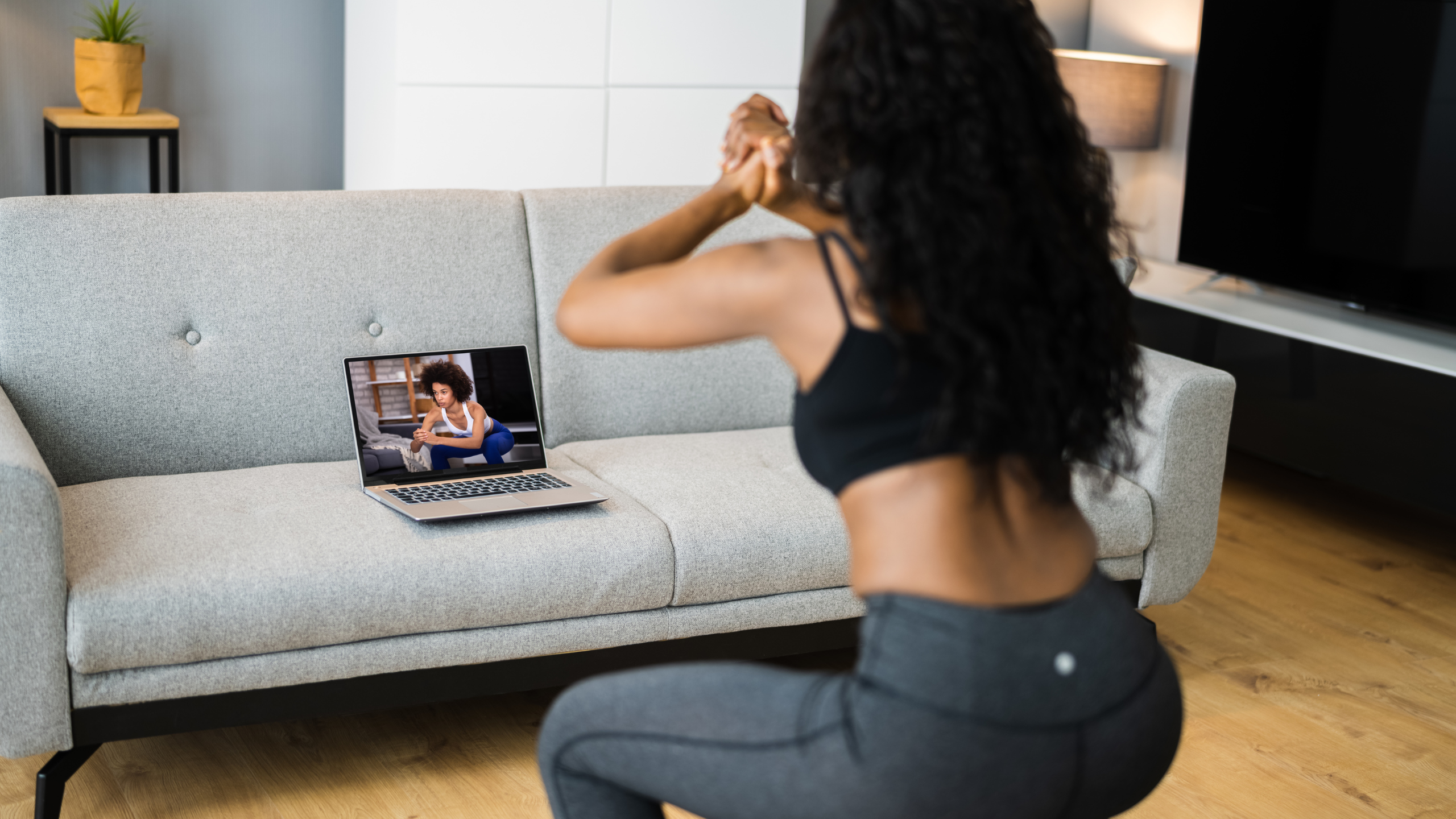
Consistency is the backbone of any fitness journey—results don’t come from sporadic bursts but from steady effort. Yet sticking to it can feel like wrestling a treadmill. Science and strategy reveal how to keep the momentum going, turning fitness into a habit, not a chore. Here’s how to stay on track for the long haul.
Big goals—like a marathon or a 200-pound deadlift—can overwhelm. Behavioral scientist B.J. Fogg’s Tiny Habits approach says start micro: one push-up daily or a 5-minute walk. A 2016 Health Psychology study found small, repeatable actions triple adherence rates over ambitious starts. These “wins” trigger dopamine, wiring your brain to crave more, building a foundation that grows.
Habits thrive on triggers. A 2020 Behavioral Brain Research study showed consistent cues—like laying out gym clothes or pairing workouts with coffee—strengthen neural pathways, making fitness automatic. Pick a time (morning? post-work?) and a signal (alarm? favorite song?), and stick to it. Soon, your brain won’t debate—it’ll just move.
Logging progress isn’t just for stats—it’s a motivator. A 2022 Journal of Behavioral Medicine study found people who tracked workouts were 25% more likely to stay consistent, thanks to visual proof of effort. Use a journal, app, or even a wall chart—crossing off days feels like a mini victory, keeping you hooked.
Perfection kills consistency. A 2019 Psychology of Sport and Exercise study showed those who accepted shorter, lighter workouts during busy times stuck with fitness 30% longer than rigid all-or-nothing types. Tired? Do 10 minutes instead of an hour. It’s not about intensity every day—it’s about showing up.
Humans are social, and fitness thrives on it. A 2017 PLOS One study found group exercisers were 35% more consistent than soloists, thanks to accountability and camaraderie. Join a class, recruit a buddy, or hop into an online fitness community (X is buzzing with them in 2025). Others’ energy pulls you along.
Your brain loves a payoff. A 2018 Journal of Neuroscience study showed small rewards—like a post-workout smoothie or a favorite podcast—boost dopamine, reinforcing the habit loop. Skip guilt trips; celebrate showing up. Over time, the routine itself becomes the reward.
Life throws curveballs—travel, colds, chaos. A 2021 Health Psychology Review study found those who prepped “if-then” plans (e.g., “If I miss the gym, I’ll stretch at home”) were 20% less likely to quit. Anticipate hiccups, not failure—consistency isn’t perfection, it’s persistence.
Science ties consistency to the basal ganglia, the brain’s habit hub. A 2006 Nature Reviews Neuroscience study showed repeated actions shift effort from conscious choice to autopilot. Pair that with 2025’s fitness tech—wearables nudging you, apps gamifying streaks—and staying steady gets easier.
Consistency beats intensity every time. A 2022 Sports Medicine meta-analysis found moderate, regular exercise (30 minutes, 5 days a week) outlasts sporadic hardcore sessions for health and habit. Start small, cue it, track it, flex it, lean on others, reward it, plan it—string enough days together, and fitness becomes who you are, not what you do.
By Vitalina Andrushchenko, Staff Writer
Competition highlights, industry trends, expert opinions, and stories from athletes and artists worldwide — delivered straight to your inbox


