

 English
 中文 (中国)
 Español


July 29, 2026
5 Skills Named After Olympic Gymnasts
March 21, 2025
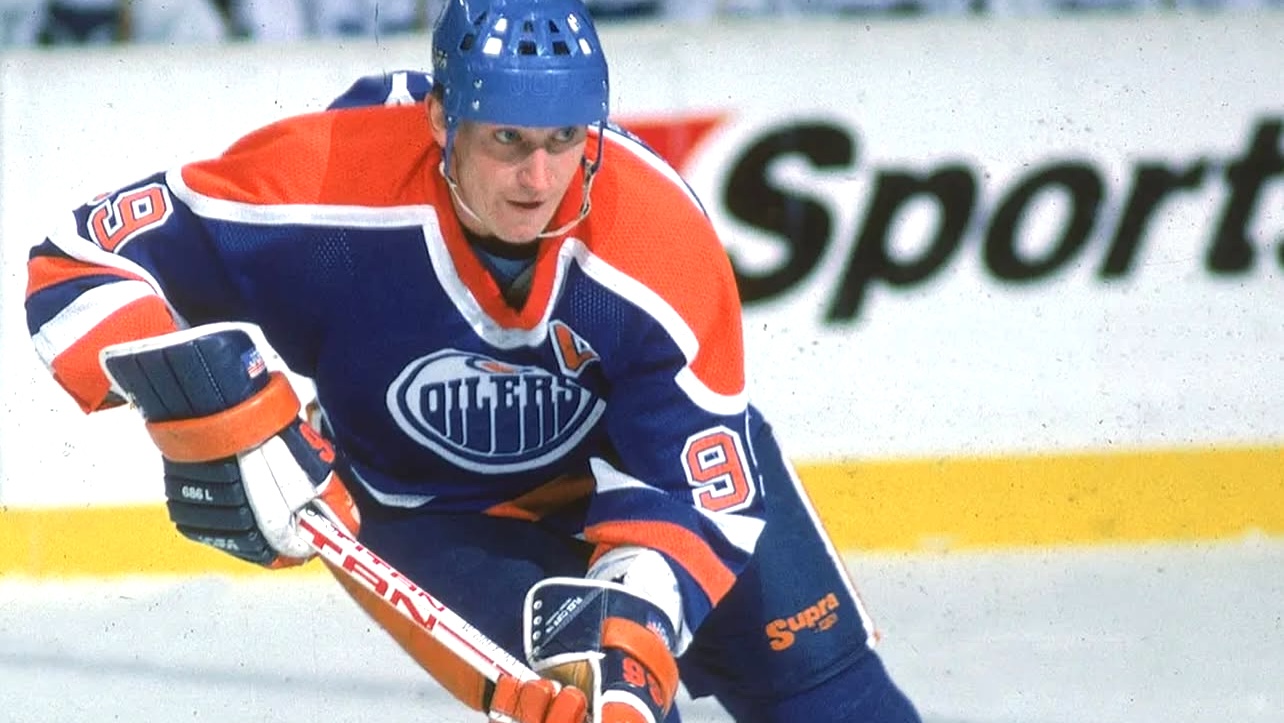
Ice hockey is a sport steeped in tradition, skill, and speed—but beneath the surface of this fast-paced game lies a world of superstition that players, teams, and even fans swear by. From the NHL’s biggest stars to local rink warriors, hockey culture is riddled with quirky rituals and beliefs that many claim bring luck, boost performance, or ward off misfortune. These superstitions aren’t just quirks; they’re a testament to the mental game that complements the physical one. Let’s lace up and dive into some of the most fascinating superstitions in ice hockey.
Perhaps the most iconic superstition in hockey is the playoff beard. Players ditch their razors at the start of the postseason, letting their facial hair grow wild until their team either hoists the Stanley Cup or gets eliminated. The tradition is often traced back to the New York Islanders’ dynasty in the 1980s, when their unshaven faces coincided with four straight championships. The belief? A clean shave might jinx the team’s chances. Today, it’s a rite of passage, with beards becoming a badge of playoff grit—though whether it’s luck or just a rugged look is up for debate.
Winning a conference final in the NHL earns a team either the Prince of Wales Trophy (Eastern Conference) or the Clarence S. Campbell Bowl (Western Conference). But here’s the catch: many players refuse to touch these trophies, believing it could curse their shot at the Stanley Cup. The superstition gained traction after teams that celebrated with their conference trophy went on to lose the finals. However, the trend isn’t universal—some, like the 2022 Colorado Avalanche, boldly posed with the Campbell Bowl and still won it all. Is it bad luck, or just a matter of focus? Players still weigh the risk every postseason.
In Detroit, Red Wings fans have a unique way of wishing their team luck: hurling octopuses onto the ice. This bizarre tradition began in 1952 when brothers Pete and Jerry Cusimano, fish market owners, tossed an octopus during a playoff game. Its eight tentacles symbolized the eight wins needed to claim the Cup in the Original Six era. The Wings swept the playoffs that year, and the cephalopod became a good-luck charm. Today, it’s a celebrated ritual—though rink staff might not love the cleanup.
If hockey players are superstitious, goalies take it to another level. Patrick Roy, a Hall of Fame netminder, famously talked to his goalposts, believing they’d help him if he kept them on his side. He also refused to skate over lines on the ice, stepping over them instead, and visualized his net shrinking before games. Then there’s Glenn Hall, nicknamed “Mr. Goalie,” who forced himself to vomit before every game, convinced it eased his nerves and sharpened his play. With 407 wins and a Stanley Cup, who’s to argue? Goalies often mark their creases with specific patterns or taps, turning their space into a personal shrine of luck.
Hockey sticks are sacred to players, and how they’re prepared can be a superstition in itself. Sidney Crosby, one of the game’s modern greats, tapes his sticks with precision and forbids anyone from touching them afterward—if someone does, he re-tapes them completely. Wayne Gretzky, “The Great One,” sprinkled baby powder on his stick blade, claiming it cared for the tool that cared for him. Other players, like Ray Bourque, changed their skate laces between periods, racking up thousands of pairs over a career. These rituals aren’t just habits; they’re talismans for success.
Pregame rituals are where superstition meets routine. Gretzky had a famous beverage order—Diet Coke, ice water, Gatorade, then another Diet Coke—consumed in that exact sequence between periods. Crosby avoids calling his mom on game days after linking three injuries to those calls (a dislocated shoulder, broken teeth, and a fractured foot). Stephane Quintal wouldn’t speak to anyone after 1:30 p.m. on game days, while Karl Alzner tapped his stick 88 times during the anthem, tracing a maple leaf on the ice. These quirks might sound odd, but they’re mental anchors in a high-stakes sport.
Superstitions aren’t just individual—entire teams get in on the action. The Philadelphia Flyers once relied on Kate Smith’s rendition of “God Bless America” for luck, playing it before big games in the 1970s because it coincided with wins. In 2002, Team Canada buried a loonie (a Canadian dollar coin) under center ice at the Salt Lake City Olympics, and both the men’s and women’s teams struck gold. The coin now sits in the Hockey Hall of Fame, a symbol of national superstition paying off.
Critics might scoff at these rituals, but in a sport where confidence and focus can tip the scales, superstitions offer players a sense of control. Whether it’s Crosby’s untouchable sticks or Hall’s pregame purge, these habits help athletes manage the chaos of competition. As Pittsburgh Penguins captain Sidney Crosby once said, “After you do things for so long, it’s hard to know what’s superstition and what’s just routine.” For fans, they’re a colorful part of hockey’s charm—proof that even the toughest players lean on a little magic.
From octopuses flying through the air to goalies chatting with metal posts, ice hockey’s superstitions are as wild as the game itself. They blend tradition, personality, and a dash of absurdity, creating a culture where luck is as vital as a well-placed wrist shot. So next time you watch a game, keep an eye out for these rituals—you might just spot a player’s secret weapon. After all, in hockey, it’s not just about skill; it’s about believing the puck will bounce your way.
By Vitalina Andrushchenko, Staff Writer
Competition highlights, industry trends, expert opinions, and stories from athletes and artists worldwide — delivered straight to your inbox


