English
 中文 (中国)
 Español


July 29, 2026
5 Skills Named After Olympic Gymnasts
March 27, 2025

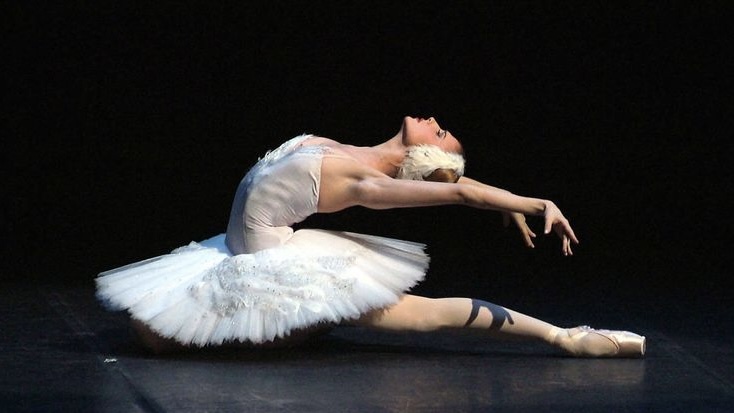
Ballet, with its ethereal beauty and disciplined precision, has captivated audiences for centuries. Yet, beneath the grace of pirouettes and the shimmer of pointe shoes lie myths that have persisted, shaping perceptions of this art form. From assumptions about its accessibility to misconceptions about its physical demands, these myths often obscure the reality of ballet. Let’s explore three common myths and uncover the truths they conceal.
One of the most pervasive myths is that ballet is reserved for those born with extraordinary flexibility, a slender frame, and an innate sense of grace. The image of the “perfect ballerina”—willowy, long-limbed, and effortlessly elegant—dominates popular imagination, discouraging many from even trying.
The Truth: While flexibility and grace are hallmarks of ballet, they are not prerequisites but skills honed through practice. Professional dancers spend years developing their range of motion, strength, and coordination. Take Misty Copeland, the first African American principal dancer at the American Ballet Theatre, who didn’t begin ballet until age 13—an age considered late by traditional standards. Through dedication, she shattered the notion that ballet requires a “natural” start. In reality, ballet welcomes diverse body types and backgrounds; it’s the discipline, not the DNA, that defines a dancer. Community classes and adaptive programs further prove that ballet’s doors are wider open than they appear.
The sight of a ballerina gliding across the stage, her movements seamless and serene, can trick onlookers into believing ballet is a gentle, almost leisurely pursuit. The illusion of ease is so convincing that some dismiss it as less demanding than sports like football or gymnastics.
The Truth: Ballet’s elegance is a facade masking grueling physical and mental effort. A single performance might require hours of rehearsal, with dancers pushing their bodies to extremes—think holding a perfect arabesque while masking the strain in their muscles. Pointe work, where dancers balance on the tips of their toes, demands exceptional strength and endurance, often leading to blisters, bruises, and even stress fractures. Studies show that ballet dancers exhibit athleticism comparable to elite athletes, with cardiovascular stamina and muscle power rivaling that of runners or weightlifters. The “effortless” look? That’s the result of years of sweat, not a lack of struggle.
In an era dominated by digital entertainment and fast-paced trends, some claim ballet is a relic of the past, clinging to outdated traditions while losing relevance. Critics point to declining ticket sales at some companies or the rise of contemporary dance as evidence that ballet’s time is fading.
The Truth: Far from dying, ballet is evolving and thriving. Companies like the New York City Ballet and the Bolshoi continue to sell out shows, blending classical works with modern choreography to attract new audiences. Innovations like livestreamed performances and collaborations with pop culture—think Natalie Portman’s Oscar-winning turn in Black Swan or the viral ballet videos on TikTok—have breathed fresh life into the art. Moreover, ballet’s influence extends beyond the stage, inspiring fitness trends like barre workouts and shaping disciplines like figure skating. Statistics from Dance/USA show steady participation in ballet classes across age groups, proving its enduring appeal. Ballet isn’t fading; it’s adapting, pirouetting into the future with confidence.
These myths—about exclusivity, ease, and obsolescence—do ballet a disservice, masking its accessibility, rigor, and vitality. Ballet is not an untouchable dream for the few but a dynamic craft open to many, built on perseverance rather than perfection. Its dancers are athletes of the highest caliber, and its legacy is far from finished.
So, the next time you watch a ballerina leap or spin, look past the tutu and the tiara. See the strength, the sweat, and the spirit of an art form that defies the myths—and keeps dancing forward.
By Vitalina Andrushchenko, Staff Writer
Competition highlights, industry trends, expert opinions, and stories from athletes and artists worldwide — delivered straight to your inbox