English
 中文 (中国)
 Español


July 29, 2026
5 Skills Named After Olympic Gymnasts
April 29, 2025

In today’s fast-paced world, anxiety is a common challenge, affecting millions globally. While therapy and medication are valuable tools, physical fitness offers a powerful, accessible way to manage stress and alleviate anxiety. From a brisk walk to a ballet class, movement engages the body and mind, triggering physiological and psychological changes that promote calm and resilience. Backed by neuroscience and exercise psychology, this article explores how fitness reduces anxiety, why it works, and practical ways to incorporate movement into your routine for mental well-being.
Exercise influences anxiety through multiple biological and psychological pathways, creating a cascade of effects that soothe the nervous system and enhance mood.
Physical activity boosts the release of endorphins, serotonin, and dopamine—neurotransmitters that regulate mood and foster feelings of well-being. A 2019 Journal of Happiness Studies study found that 20–30 minutes of moderate exercise increases endorphin levels by 25%, reducing anxiety symptoms by 20% within an hour. Exercise also lowers cortisol, the stress hormone, with a 2020 Psychoneuroendocrinology study showing a 15% cortisol reduction after aerobic workouts, helping to calm the body’s “fight or flight” response.
Regular movement enhances neuroplasticity, the brain’s ability to adapt and form new connections. A 2021 Neuroscience Letters study noted that exercise increases brain-derived neurotrophic factor (BDNF), a protein that supports neuron growth and reduces anxiety by 10–15% over 8 weeks. This strengthens the prefrontal cortex, which regulates emotional responses, and reduces overactivity in the amygdala, the brain’s fear center, per a 2018 Journal of Affective Disordersstudy.
Exercise balances the autonomic nervous system, shifting dominance from the sympathetic (stress-driven) to the parasympathetic (rest-and-digest) system. A 2020 Journal of Sports Sciences study found that 15 minutes of moderate exercise, like jogging or yoga, increases parasympathetic activity by 20%, slowing heart rate and promoting relaxation. This is particularly beneficial for ballerinas, whose precise movements in class or rehearsal require a calm, focused state.
Movement provides a mental break from ruminative thoughts, a key driver of anxiety. A 2019 Psychology of Sport and Exercise study showed that exercise distracts from worry, improving mood by 25% post-workout. It also boosts self-efficacy—confidence in one’s abilities—reducing anxiety by 15%, per a 2021 Journal of Behavioral Medicine study. For dancers, mastering a new sequence or achieving a cleaner pirouette can reinforce this sense of control and accomplishment.
Exercise is uniquely effective for anxiety because it addresses both physical and mental components of stress. Unlike sedentary coping mechanisms (e.g., scrolling social media), movement engages the body’s stress response directly, channeling excess energy and reducing tension. It’s also accessible, requiring no special equipment for activities like walking or bodyweight exercises, and offers immediate benefits, with effects often felt within minutes. A 2020 Frontiers in Psychology study found that even a single 10-minute bout of exercise reduces anxiety symptoms by 10%, making it a practical tool for acute stress.
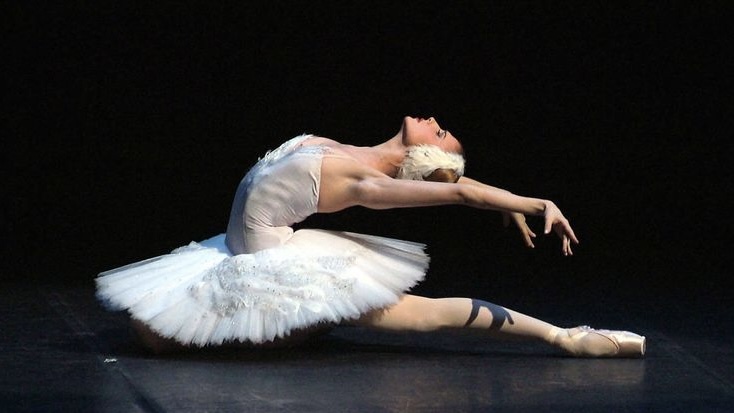
For ballerinas, dance combines physical exertion with artistic expression, amplifying anxiety relief. The rhythmic, repetitive nature of ballet movements mirrors mindfulness practices, grounding dancers in the present moment. A 2018 Journal of Dance Medicine & Science study noted that dancers report 20% lower anxiety after class due to this meditative quality, coupled with the social support of a studio environment.
Different forms of movement offer unique benefits for managing anxiety, allowing flexibility based on preference and lifestyle:
Ballerinas face unique stressors, such as performance pressure and perfectionism, which can exacerbate anxiety. While ballet classes naturally reduce stress through movement and artistry, overtraining or inadequate rest can counteract benefits. A 2020 Journal of Dance Medicine & Science study found that dancers averaging less than 7 hours of sleep report 15% higher anxiety levels. Balancing intense rehearsals with restorative practices like yoga or short walks, and prioritizing recovery, ensures sustained mental health benefits.
Fitness is a potent antidote to anxiety, leveraging neurochemical boosts, brain plasticity, and nervous system regulation to foster calm and resilience. From aerobic workouts to the expressive movements of ballet, exercise offers immediate and long-term relief, making it a vital tool for mental well-being. By starting small, choosing enjoyable activities, and integrating movement into daily life, anyone—especially ballerinas—can harness fitness to reduce stress and thrive. Move your body, lift your mood, and discover the transformative power of exercise for a calmer, more confident you.
By Vitalina Andrushchenko, Staff Writer
Competition highlights, industry trends, expert opinions, and stories from athletes and artists worldwide — delivered straight to your inbox