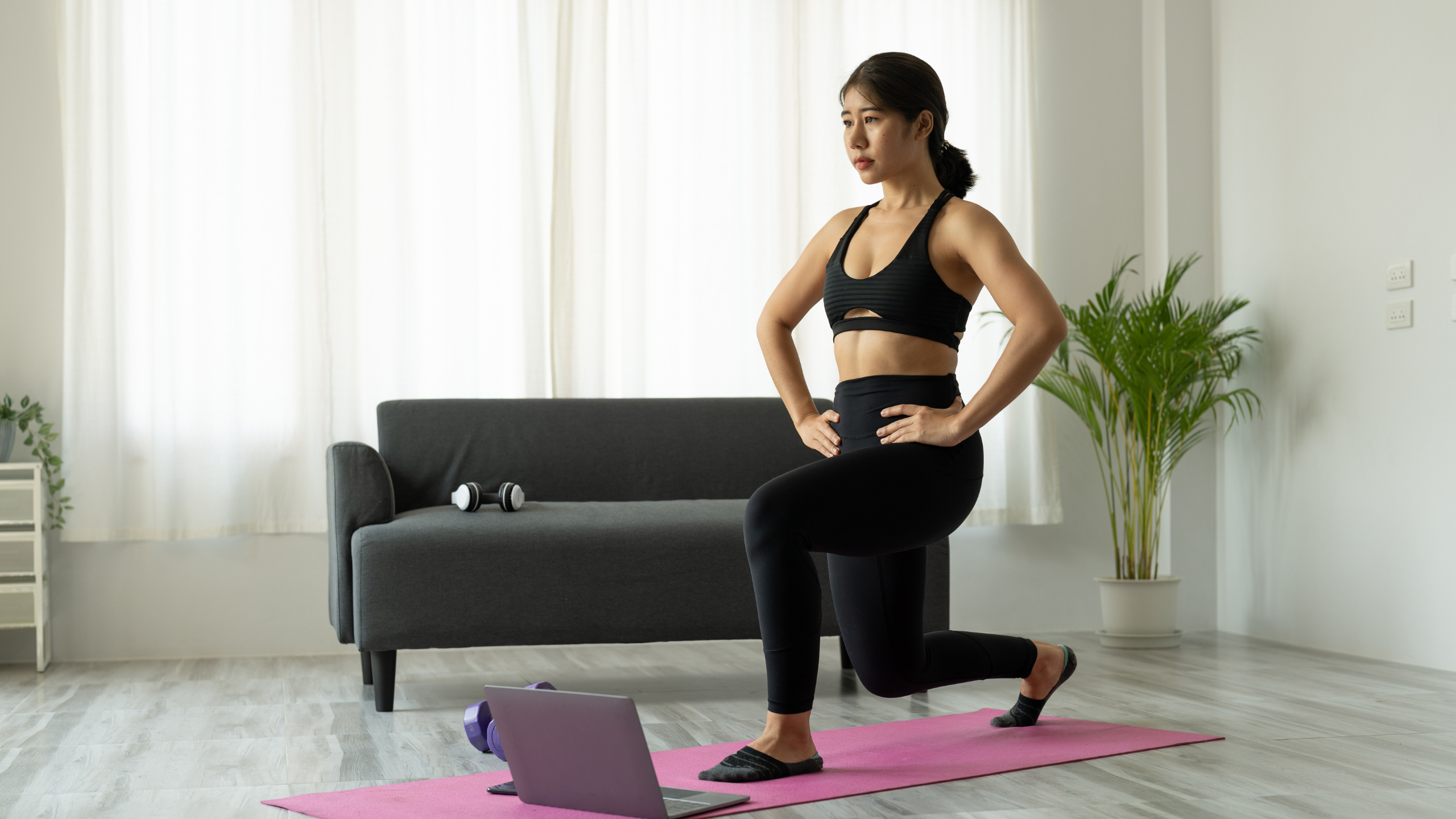
How to Track Your Fitness Progress Without a Scale
June 27, 2025
When it comes to fitness, many people rely on the scale to measure progress, but weight alone doesn’t tell the full story. Factors like muscle gain, water retention, or daily fluctuations can make the scale misleading. Fortunately, there are better ways to track your fitness journey that focus on health, strength, and how you feel. This article provides practical, evidence-based methods for everyday people to monitor progress without stepping on a scale or using apps.
Why Skip the Scale?
A 2019 study in Journal of Obesity found that focusing solely on weight can lead to frustration and reduced motivation, especially since body composition (muscle vs. fat) matters more than raw numbers. Non-scale methods offer a clearer picture of your fitness improvements and keep you motivated by highlighting tangible achievements.
Effective Ways to Track Fitness Progress
1. Measure Body Composition
Instead of weight, track changes in body fat and muscle mass:
Tape Measure: Measure your waist, hips, chest, arms, or thighs monthly. Record measurements in a notebook to spot trends. A 2020 study in Nutrition and Health showed waist circumference is a strong indicator of health improvements.
Clothing Fit: Notice how your clothes fit over time. Looser pants or a tighter shirt around your shoulders can signal fat loss or muscle gain.
Body Fat Tools: Use calipers or bioelectrical impedance devices (like handheld monitors) for rough estimates. These are affordable and widely available, though not as precise as professional scans.
2. Track Performance Improvements
Fitness is about what your body can do. Monitor these metrics:
Strength Gains: Track how much weight you lift, how many repetitions you complete, or how long you can hold a challenging position. For example, increasing from 10 to 15 repetitions of a movement in a month is clear progress.
Endurance: Note how long you can sustain activities like walking, running, or cycling. A 2021 study in Sports Medicine found improved endurance correlates with better cardiovascular health.
Energy Levels: Pay attention to how energized you feel during daily tasks. Feeling less winded climbing stairs is a win.
Visual evidence can be powerful. Take photos every 4–6 weeks in similar lighting, clothing, and poses (e.g., front, side, back). A 2022 study in Psychology of Sport and Exercise noted that visual tracking boosts motivation by showing subtle changes the mirror might miss.
4. Monitor How You Feel
Physical and mental improvements are key indicators:
Mood and Energy: Regular exercise boosts endorphins, reducing stress and improving mood. A 2020 study in Frontiers in Psychology linked consistent activity to better mental health.
Sleep Quality: Track sleep duration and quality in a journal. Improved fitness often leads to better rest, per a 2021 Journal of Sleep Research study.
Daily Function: Notice if everyday tasks (e.g., carrying groceries, playing with kids) feel easier.
5. Keep a Fitness Journal
Log your workouts, energy levels, or even meals in a notebook. Write down what you did, how you felt, and any improvements. Research from Health Psychology (2020) shows tracking habits increases adherence.
6. Set Non-Scale Goals
Focus on goals unrelated to weight:
Consistency: Aim to be active 3–5 days per week.
Skill Development: Work on improving a movement, like enhancing balance or mastering a new physical skill.
Health Markers: Track blood pressure, heart rate, or blood sugar if applicable. A 2019 American Journal of Lifestyle Medicine study found exercise improves these markers independent of weight loss.
Tips for Staying Motivated
Celebrate Small Wins: Acknowledge milestones like completing a week of workouts or feeling stronger.
Be Patient: Progress takes time. A 2021 Journal of Behavioral Medicine study emphasized that consistent, small changes lead to lasting results.
Find a Community: Join a fitness group or share goals with a friend. Social support boosts accountability, per a 2020 Health Psychology study.
Conclusion
Tracking fitness progress without a scale is not only possible but often more rewarding. By focusing on body composition, performance, photos, how you feel, and non-scale goals, you’ll gain a fuller picture of your health and stay motivated. Fitness is about feeling stronger, healthier, and happier—not just a number.
Achieve More With VSA: Boost your skills with world-class coaches for just $29/hour. Perfect for skaters, hockey players, dancers, and athletes, VSA offers personalized training 24/7, 365 days a year, anywhere in the world.


 English
 中文 (中国)
 Español