English
 中文 (中国)
 Español


July 29, 2026
5 Skills Named After Olympic Gymnasts
June 28, 2025

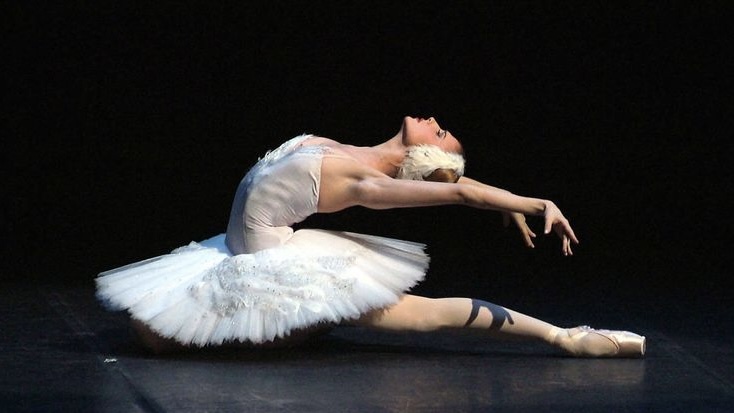
Flexibility, often overlooked in fitness routines, plays a significant role in overall health and longevity. Beyond enabling easier movement, maintaining flexibility can enhance quality of life, reduce injury risk, and support physical and mental well-being as we age. This article explores the science-backed connection between flexibility and a longer, healthier life, offering practical insights for everyday people.
Flexibility refers to the ability of muscles and joints to move through their full range of motion (ROM). It supports daily activities, from bending to tie shoes to reaching for a shelf. A 2019 study in Journal of Aging and Physical Activity found that better flexibility correlates with improved functional independence in older adults, reducing the risk of disability.
Flexible muscles and joints are less prone to strains, sprains, or falls. A 2020 Sports Medicine study showed that regular stretching lowers the incidence of musculoskeletal injuries by up to 40%, which is critical for older adults, as injuries can lead to prolonged recovery and reduced mobility.
Poor flexibility can lead to tight muscles, causing postural imbalances that increase fall risk. A 2021 Geriatric Physical Therapy study found that flexibility training, combined with balance exercises, improved stability in seniors, reducing fall-related injuries—a leading cause of mortality in older populations.
Stretching promotes blood flow to muscles, delivering oxygen and nutrients while removing waste. A 2018 Journal of Physiology study linked regular stretching to improved vascular health, which supports heart function and reduces the risk of cardiovascular diseases, a key factor in longevity.
Flexible joints with good ROM are less likely to develop stiffness or conditions like osteoarthritis. A 2022 Arthritis Care & Research study found that flexibility exercises slowed joint degradation in older adults, preserving mobility and reducing pain.
Flexibility routines, like yoga or tai chi, often involve mindfulness, reducing stress and anxiety. A 2020 Frontiers in Psychology study showed that flexibility-focused activities improve mental well-being, which is linked to longevity through lower stress-related inflammation.
Flexibility is more than just touching your toes—it’s a key to living a longer, healthier life. By reducing injury risk, improving balance, enhancing circulation, supporting joint health, and boosting mental well-being, flexibility training contributes to longevity. Start small, stay consistent, and prioritize flexibility to enjoy a more active, independent, and fulfilling life.
Achieve More With VSA: Boost your skills with world-class coaches for just $29/hour. Perfect for skaters, hockey players, dancers, and athletes, VSA offers personalized training 24/7, 365 days a year, anywhere in the world.
By Vitalina Andrushchenko, Staff Writer
Competition highlights, industry trends, expert opinions, and stories from athletes and artists worldwide — delivered straight to your inbox