

 English
 中文 (中国)
 Español


July 29, 2026
5 Skills Named After Olympic Gymnasts
July 07, 2025
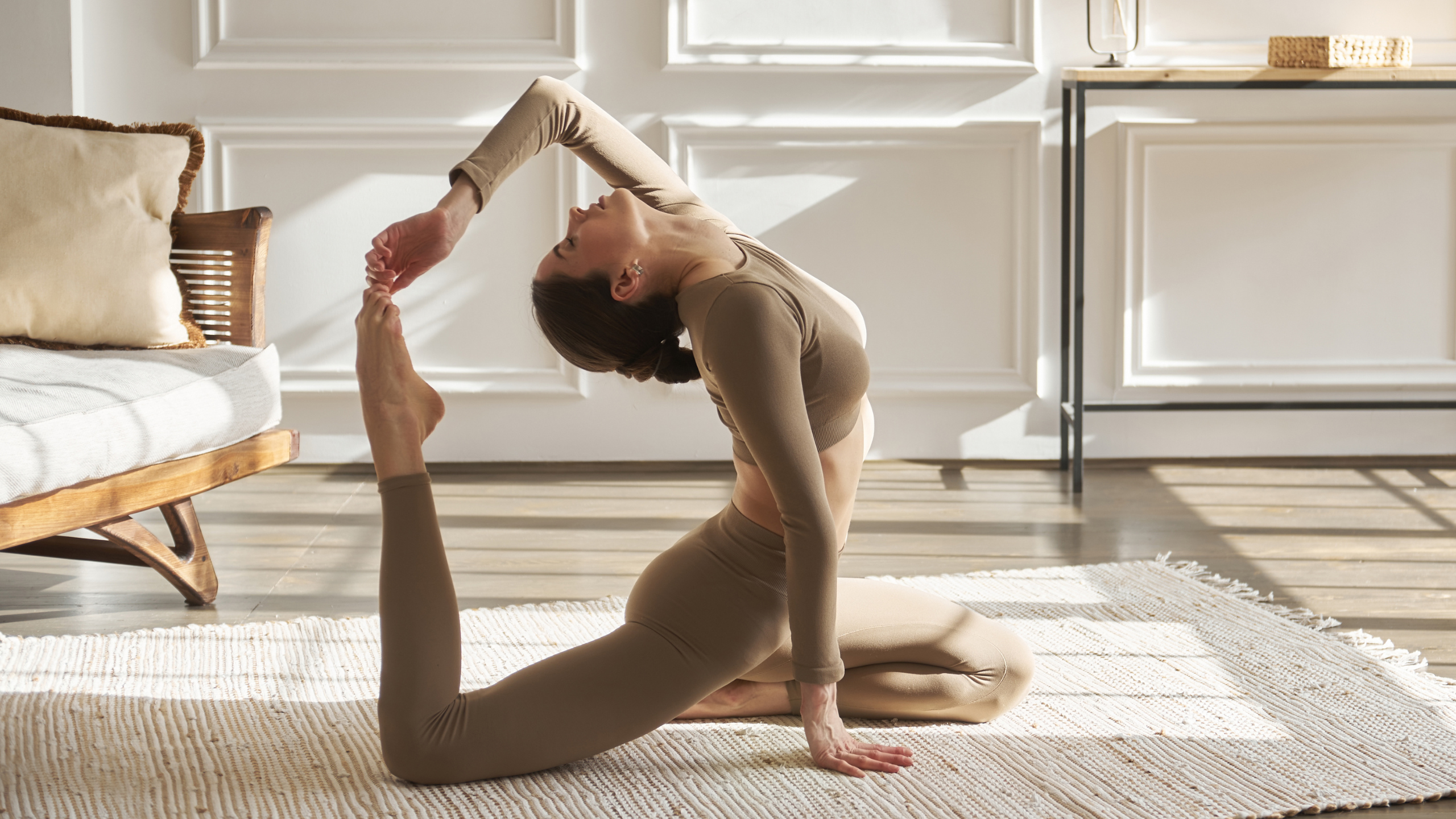
Stretching is a cornerstone of physical health, enhancing flexibility, relieving tension, and promoting recovery. Yet, one often-overlooked element can elevate its benefits: breathwork. By integrating intentional breathing into your stretching routine, you can deepen stretches, reduce stress, and foster a mind-body connection that transforms your practice. Backed by science, breathwork is a powerful tool to make stretching more effective and rewarding. Here’s how it works and why it matters.
Breathwork, the practice of controlling your breathing patterns, directly impacts the body’s physiological responses during stretching. Deep, slow breathing activates the parasympathetic nervous system, which promotes relaxation and lowers heart rate, as shown in a 2020 study in Psychosomatic Medicine. This relaxed state allows muscles to release tension, enabling deeper and safer stretches. Inhaling deeply increases oxygen delivery to muscles—by up to 15%, according to Respiratory Physiology & Neurobiology (2019)—improving their elasticity and reducing the risk of strain. Exhaling during a stretch helps you sink further into the position, as it signals the nervous system to relax muscle fibers.
Stretching aims to lengthen muscles and improve joint mobility, but tension can limit progress. Breathwork counters this by reducing the body’s “fight-or-flight” response, which tightens muscles via the sympathetic nervous system. A 2021 study in Journal of Sports Sciences found that diaphragmatic breathing during stretching increased hamstring flexibility by 12% compared to stretching without focused breathing. By syncing inhalations with preparatory movements and exhalations with deeper stretches, you can gradually expand your range of motion, making each session more effective.
Stretching is as much a mental practice as a physical one, and breathwork amplifies this connection. Controlled breathing lowers cortisol levels, the stress hormone, by up to 25%, per a 2022 study in Frontiers in Physiology. This creates a calmer state, allowing you to focus on the sensations of each stretch. Breathwork fosters mindfulness, helping you stay present and avoid rushing through movements. This awareness not only enhances the quality of your stretches but also transforms your routine into a meditative practice, boosting mental clarity and emotional well-being.
Breathwork aids recovery by improving circulation and reducing muscle soreness. Deep breathing enhances blood flow, delivering oxygen and nutrients to fatigued muscles while clearing metabolic waste like lactic acid, as noted in a 2020 study in Journal of Applied Physiology. This process accelerates recovery, especially after intense activity or prolonged sitting. By incorporating breathwork, you can mitigate the delayed onset muscle soreness (DOMS) that often follows physical exertion, keeping your body primed for consistent stretching.
Integrating breathwork into stretching doesn’t require complex techniques. Start by focusing on slow, deep breaths through your nose, aiming for a 4-second inhale and 6-second exhale to maximize oxygen intake and relaxation. Before stretching, take a moment to center yourself with a few deep breaths to prepare your body and mind. During each stretch, inhale to prepare and exhale as you ease into the position, holding for 15-30 seconds. If time is limited, even a 5-minute session combining breathwork and stretching can yield benefits. Use your environment—whether at home, work, or on the go—to create a calm space for this practice.
Many overlook breathwork due to unfamiliarity or the rush to “get through” stretching. To counter this, prioritize simplicity: focus on natural, rhythmic breathing rather than forcing complex patterns. If you feel distracted, anchor your attention on the sensation of air moving through your nose or chest. Consistency is key—practicing breathwork daily, even briefly, strengthens its effects, as habits form after about 66 days, per a 2019 study in Frontiers in Psychology. By treating breathwork as an integral part of stretching, you’ll find it becomes second nature, enhancing every session.
Breathwork is a game-changer for your stretching routine, unlocking deeper flexibility, faster recovery, and a stronger mind-body connection. Supported by science, intentional breathing transforms stretching from a physical task into a holistic practice that nurtures both body and mind. Whether you’re a beginner or a seasoned fitness enthusiast, integrating breathwork can elevate your routine, making it more effective and enjoyable. Embrace the power of your breath, and let it guide you to a more balanced, resilient, and mindful approach to stretching.
Achieve More With VSA: Boost your skills with world-class coaches for just $29/hour. Perfect for skaters, hockey players, dancers, and athletes, VSA offers personalized training 24/7, 365 days a year, anywhere in the world.
By Vitalina Andrushchenko, Staff Writer
Competition highlights, industry trends, expert opinions, and stories from athletes and artists worldwide — delivered straight to your inbox


