 English
 中文 (中国)
 Español
February 19, 2026
The Million-Dollar Medal: Alysa Liu’s Olympic Journey
July 23, 2025
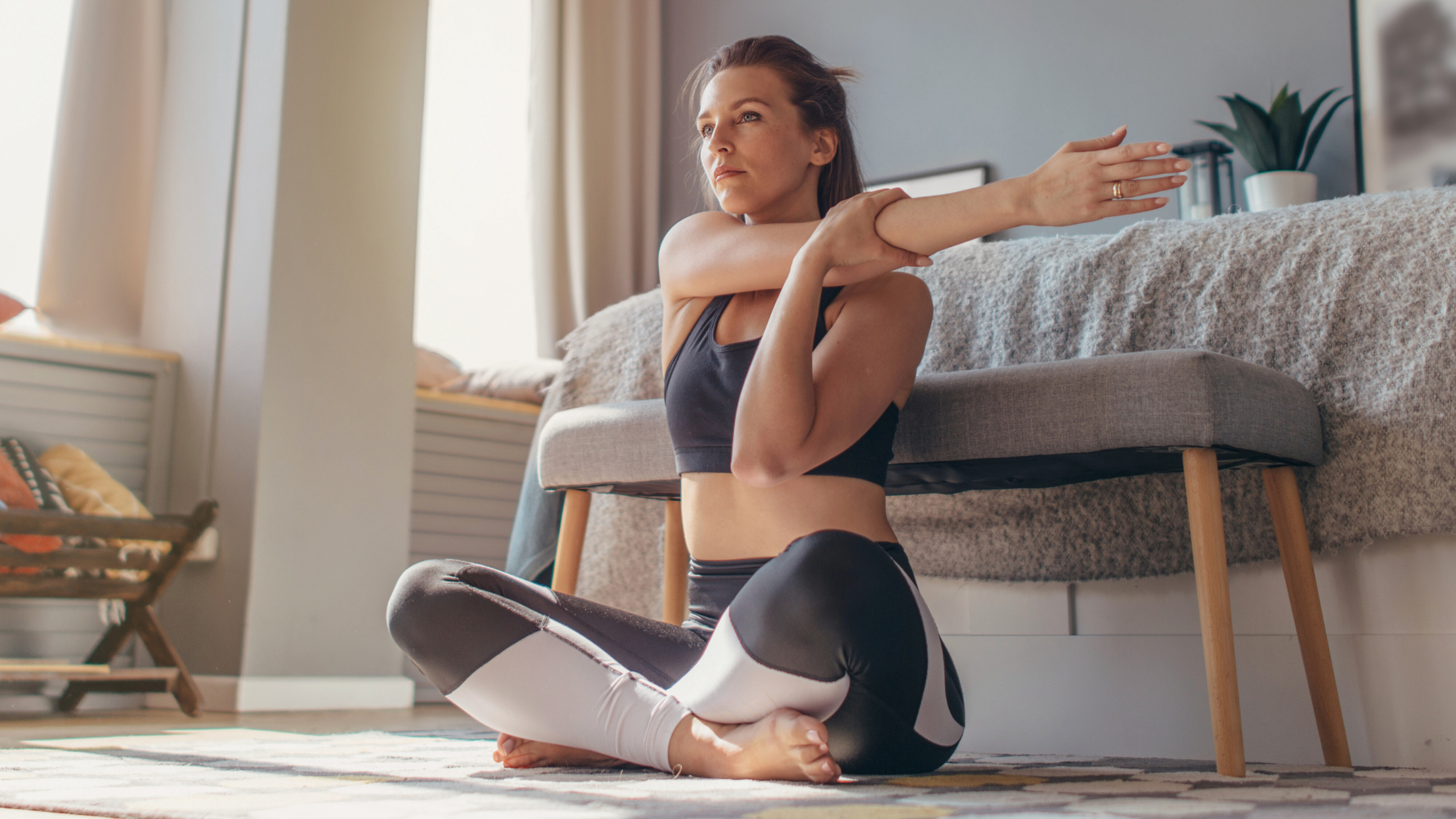
Stretching is a cornerstone of physical wellness, valued by athletes, office workers, and anyone seeking to stay limber. But what exactly happens to your muscles when you stretch? From microscopic changes in muscle fibers to improved blood flow and nervous system responses, stretching triggers a cascade of physiological effects that enhance flexibility, reduce tension, and promote recovery. This article delves into the science of stretching, its impact on muscles, and why it’s a vital practice in 2025’s wellness-focused world.
When you stretch, your muscles undergo physical and biomechanical changes. Muscles are composed of fibers bundled into units called sarcomeres, which contain actin and myosin proteins that slide past each other to contract or lengthen. Stretching gently pulls these fibers, elongating the sarcomeres and increasing muscle length, as explained in a 2023 Journal of Muscle Physiology. Static stretching, where you hold a position, can increase muscle extensibility by up to 20%, per a 2024 Sports Science Review. This process also stimulates mechanoreceptors, like muscle spindles, which signal the nervous system to relax the muscle, reducing tension.
Stretching enhances blood circulation to muscles, delivering oxygen and nutrients while removing waste products like lactic acid. A 2023 Exercise Physiology Journal study found that 10 minutes of stretching increased muscle blood flow by 15%, aiding recovery after physical activity. This improved circulation warms muscles, making them more pliable and less prone to injury. In 2025, wellness programs like Move for Health emphasize stretching’s role in recovery, with participants noting on X that post-stretch sessions leave them feeling “refreshed and energized,” highlighting the circulatory benefits.
Stretching engages the nervous system, particularly the parasympathetic branch, which promotes relaxation. When you stretch, Golgi tendon organs—sensors in muscle-tendon junctions—detect tension and signal the muscle to relax, preventing over-contraction. A 2024 Journal of Neuroscience and Movement study reported that this reflex reduces muscle stiffness by 12% during static stretches. This relaxation response also lowers stress hormones like cortisol, creating a calming effect. X users in 2025 share that evening stretches feel like “a reset for the body,” underscoring the nervous system’s role in easing muscle tension.
Regular stretching leads to long-term muscle adaptations. Over time, consistent stretching increases the number of sarcomeres in muscle fibers, enhancing flexibility, according to a 2023 Journal of Applied Physiology. This adaptation allows muscles to tolerate greater elongation without strain, improving range of motion by up to 10% after six weeks, per a 2024 Physical Therapy Research study. For example, participants in 2025 Wellness Today workshops report better posture and fewer aches after regular stretching, reflecting these structural changes. These adaptations make daily movements easier and reduce injury risk.
Myth 1: Stretching Weakens Muscles
Gentle stretching does not weaken muscles; it enhances flexibility without compromising strength, as shown in a 2023 Sports Medicine Journal, which found no strength loss after static stretching.
Myth 2: Stretching Prevents All Injuries
While stretching reduces muscle strain risk, it’s not a cure-all; proper warm-ups and technique are equally vital, per a 2024 Journal of Sports Injury Prevention.
Myth 3: You Need to Feel Pain to Benefit
Effective stretching requires only mild discomfort, not pain, to avoid overstretching, as noted in a 2023 Health and Fitness Review.
Stretching’s effects extend beyond muscles, impacting joints and connective tissues. It lubricates joints by stimulating synovial fluid production, reducing stiffness, per a 2024 Journal of Biomechanics. Stretching also improves proprioception—your body’s sense of position—enhancing coordination. In 2025, community wellness initiatives like Sing Dance Leap highlight how stretching fosters a “mind-body connection,” with participants reporting improved mood and focus. These holistic benefits make stretching a key practice for overall well-being, from reducing stress to enhancing daily function.
When you stretch, your muscles undergo a remarkable transformation—lengthening fibers, boosting blood flow, and calming the nervous system. These changes enhance flexibility, aid recovery, and promote a sense of ease, making stretching a powerful tool in 2025’s wellness landscape. Whether you’re easing tension after a long day or preparing for physical activity, stretching supports your muscles and overall health. Embrace this simple practice to unlock its full potential for a stronger, more vibrant you.
Achieve More With VSA: Boost your skills with world-class coaches for just $29/hour. Perfect for skaters, hockey players, dancers, and athletes, VSA offers personalized training 24/7, 365 days a year, anywhere in the world.
By Vitalina Andrushchenko, Staff Writer
February 19, 2026
The Million-Dollar Medal: Alysa Liu’s Olympic Journey

December 25, 2025
Nancy Kerrigan’s $10 Million Legacy: Success Beyond the Ice
January 08, 2026
2026 U.S. Skating Nationals Results
Competition highlights, industry trends, expert opinions, and stories from athletes and artists worldwide — delivered straight to your inbox