English
 中文 (中国)
 Español


July 29, 2026
5 Skills Named After Olympic Gymnasts
July 25, 2025

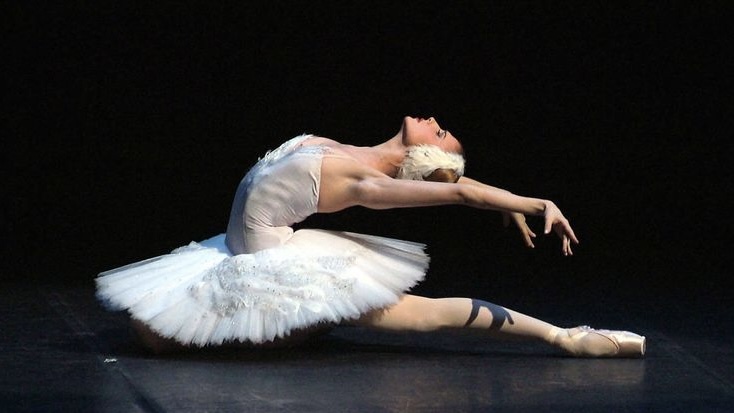
Ballerinas face a unique challenge: mastering the artistry and athleticism of dance while juggling school, social life, and personal well-being. In 2025, as young dancers strive for excellence in studios and classrooms, effective time management is key to doing it all without burning out. From prioritizing tasks to carving out rest, this article offers practical strategies for ballerinas to balance their demanding schedules, ensuring they shine on stage and beyond.
Effective time management starts with clear priorities. Ballerinas often spend 3–6 hours daily in dance practice, leaving limited time for schoolwork or rest. A 2023 Dance Education Journal recommends creating a daily schedule using tools like planners or apps such as Google Calendar to map out classes, rehearsals, and study sessions. Identify high-priority tasks—due assignments, major rehearsals—and tackle them first. For example, a 2024 Ballet Today study found that dancers who planned their week in advance completed 20% more tasks efficiently. In 2025, X users share tips like setting aside 30 minutes each morning to review the day’s goals, helping ballerinas stay focused and organized.
Time blocking is a powerful technique for managing dual demands. Allocate specific hours for schoolwork, dance practice, and recovery. A 2023 Student Athlete Review suggests dedicating 2–3 hours nightly to homework, ideally right after school to keep evenings free for dance. For instance, a ballerina might study from 4–6 p.m., attend ballet class from 6:30–9 p.m., and reserve 30 minutes for stretching or mindfulness. This structure, praised in 2025 Wellness Todayworkshops, helps dancers avoid cramming for exams. X posts from young dancers highlight how time blocking “keeps chaos at bay,” ensuring both academic and dance commitments are met.
Rest is non-negotiable for ballerinas, whose bodies endure intense physical strain. A 2024 Journal of Dance Medicinenotes that inadequate rest increases injury risk by 15% and impairs performance. Schedule at least one rest day weekly and prioritize 8–9 hours of sleep nightly to support muscle recovery and focus. Short breaks during study or practice—5 minutes of deep breathing or a quick nap—can boost productivity, per a 2023 Performance Health Journal. In 2025, ballet students on X emphasize “micro-rests” between classes, sharing how brief pauses help them recharge for pointe work or exams without losing momentum.
Smart multitasking can save time without sacrificing quality. Listen to lecture recordings while stretching or review flashcards during commute to the studio, as suggested in a 2024 Time Management Quarterly. Combine dance-related tasks, like watching choreography videos during meals, to free up study time. However, avoid overloading; a 2023 Psychology of Performance study warns that excessive multitasking reduces focus by 10%. Ballerinas in 2025 Dance Wellness programs share on X that pairing low-effort tasks, like foam rolling while reading, helps them “fit it all in” while staying sharp for rehearsals and school.
Ballerinas often feel pressure to take on extra classes or social commitments, but overextending leads to burnout. A 2024 Mental Health in Dance study found that dancers who set boundaries—limiting non-essential activities—reported 18% lower stress levels. Politely decline invitations that conflict with key priorities, like a performance or major exam. Communicate with teachers and coaches about your schedule; many, as noted in 2025 Ballet Today forums, are flexible when informed early. X users in 2025 applaud ballerinas who “own their time,” sharing stories of saying no to extra rehearsals to focus on academics or recovery.
No ballerina succeeds alone. Lean on family, friends, or mentors to stay organized. A 2023 Dance Education Reviewsuggests discussing schedules with parents to coordinate rides to class or study support. Join study groups to share academic workload or connect with fellow dancers for accountability. In 2025, Wellness Today workshops highlight peer groups where ballerinas swap time management tips, like using apps to track rehearsal progress. X posts from young dancers emphasize how mentors, like a trusted ballet teacher, offer advice on balancing school and dance, making the juggle feel less daunting.
Time management for ballerinas is about more than squeezing in school and practice—it’s about creating a balanced, fulfilling life. In 2025, as young dancers chase their dreams on stage and in the classroom, strategies like prioritizing, time blocking, and resting empower them to thrive. By planning smart, setting boundaries, and leaning on support, ballerinas can master their schedules and shine brightly. Embrace these tools to dance through life’s demands with grace and confidence, proving you can do it all.
Achieve More With VSA: Boost your skills with world-class coaches for just $29/hour. Perfect for skaters, hockey players, dancers, and athletes, VSA offers personalized training 24/7, 365 days a year, anywhere in the world.
By Vitalina Andrushchenko, Staff Writer
Competition highlights, industry trends, expert opinions, and stories from athletes and artists worldwide — delivered straight to your inbox