

 English
 中文 (中国)
 Español


July 29, 2026
5 Skills Named After Olympic Gymnasts
July 30, 2025
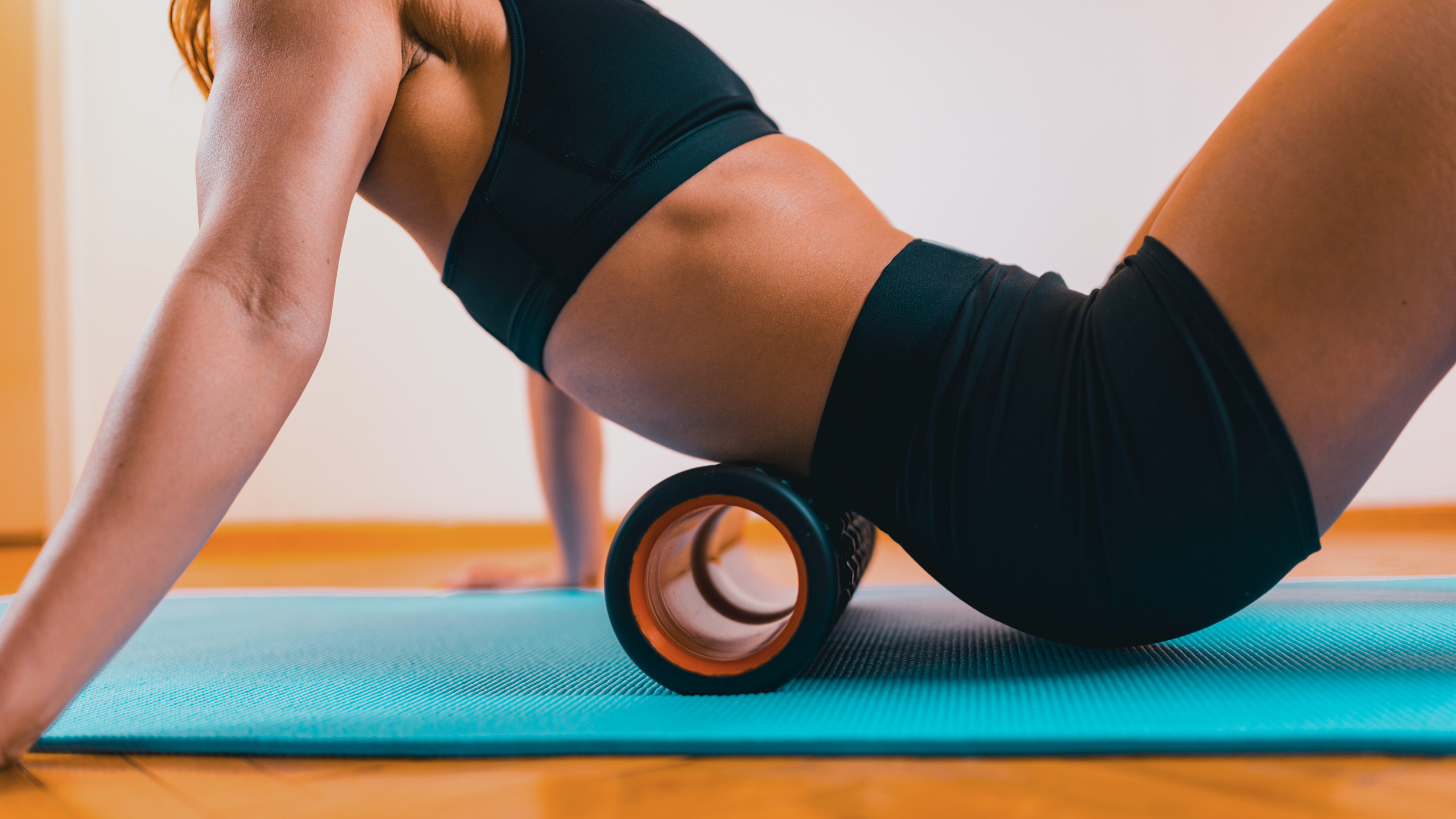
Foam rolling has become a staple in fitness routines, from gym-goers to weekend warriors, promising to ease muscle soreness and boost recovery. Yet, myths about its effectiveness and purpose abound, leading to confusion about its true value. In 2025, as wellness trends emphasize self-care, understanding foam rolling’s benefits and debunking misconceptions can empower you to integrate it effectively into your routine. This article explores common myths and highlights the evidence-based advantages of foam rolling for a healthier, more balanced fitness journey.
A widespread belief is that foam rolling physically breaks up scar tissue or adhesions in muscles, “releasing” tight spots. However, research suggests this oversimplifies the process. A 2023 Journal of Exercise Science study found that foam rolling does not mechanically dissolve scar tissue but improves muscle elasticity through neural and fascial responses. The pressure stimulates blood flow and reduces muscle stiffness, creating a sensation of release. X users in 2025 often describe foam rolling as “ironing out knots,” but experts clarify it’s more about enhancing tissue flexibility than physically altering scar tissue.
Many assume foam rolling can fully replace traditional stretching, but the two serve distinct purposes. While foam rolling enhances blood flow and reduces muscle tension, stretching improves muscle length and joint range of motion. A 2024 Sports Medicine Review study showed that combining foam rolling with stretching increased flexibility by 15% more than stretching alone. Foam rolling prepares muscles for movement, but it’s not a substitute for dynamic or static stretches, as noted in 2025 Wellness Today guides. X posts highlight users pairing both for optimal results, emphasizing their complementary roles.
The notion that harder foam rolling yields greater benefits is misleading and can lead to discomfort or injury. Excessive pressure may cause bruising or aggravate sensitive areas, particularly in beginners. A 2023 Physical Therapy Journalstudy found that moderate pressure for 60–90 seconds per muscle group effectively reduces soreness without risking harm. Applying controlled, steady pressure, as recommended in 2025 Move for Health programs, allows for gradual muscle relaxation. X users in 2025 caution against “over-rolling,” advocating for mindful technique over force.
Foam rolling is widely praised for alleviating delayed onset muscle soreness (DOMS) after workouts. By applying pressure to muscles, it promotes blood circulation, delivering oxygen and nutrients to aid recovery. A 2024 Journal of Sports Science study reported a 20% reduction in DOMS among participants who foam rolled post-exercise compared to those who didn’t. This benefit makes it a go-to for runners, weightlifters, and fitness enthusiasts. In 2025, MindBody Flowworkshops note that regular foam rolling helps users feel “less achy and more ready for the next session.”
Foam rolling enhances flexibility by loosening tight muscles and fascia, improving joint mobility. A 2023 Fitness Science Quarterly study found that 10 minutes of foam rolling daily increased hip and shoulder range of motion by 12% over four weeks. This makes it valuable for those seeking better movement quality, whether for daily activities or intense workouts. X users in 2025 share stories of improved posture and ease in movements like squatting after consistent foam rolling, aligning with Wellness Today advice to integrate it into warm-ups.
Beyond physical benefits, foam rolling promotes relaxation by stimulating the parasympathetic nervous system, reducing stress hormones like cortisol. A 2024 Wellness Science Journal study showed that 15 minutes of foam rolling lowered stress levels by 18%, comparable to light meditation. The slow, deliberate movements encourage mindfulness, making it a form of self-care. In 2025, Move for Health programs highlight foam rolling’s calming effects, with X users describing sessions as “a mini reset for body and mind,” enhancing its role in holistic wellness.
To maximize foam rolling’s benefits, focus on technique and consistency. Use a medium-density foam roller to balance comfort and effectiveness, rolling slowly for 60–90 seconds per muscle group. Incorporate it into warm-ups to prepare muscles or cool-downs to aid recovery, as suggested in 2023 Fitness Practice Review. Create a calm environment with soft music to enhance relaxation, a tip shared in 2025 MindBody Flow sessions. X users recommend starting with major muscle groups like quads and hamstrings, progressing to smaller areas as comfort increases.
Foam rolling is a powerful tool for enhancing recovery, flexibility, and relaxation, but myths can cloud its true potential. By debunking misconceptions and embracing its evidence-based benefits, you can make foam rolling a cornerstone of your wellness routine in 2025. Whether you’re easing post-workout soreness or seeking a moment of calm, this simple practice offers a path to a healthier, more balanced you. Embrace foam rolling mindfully, and let it support your journey to feeling stronger and more connected to your body.
Achieve More With VSA: Boost your skills with world-class coaches for just $29/hour. Perfect for skaters, hockey players, dancers, and athletes, VSA offers personalized training 24/7, 365 days a year, anywhere in the world.
By Vitalina Andrushchenko, Staff Writer
Competition highlights, industry trends, expert opinions, and stories from athletes and artists worldwide — delivered straight to your inbox


