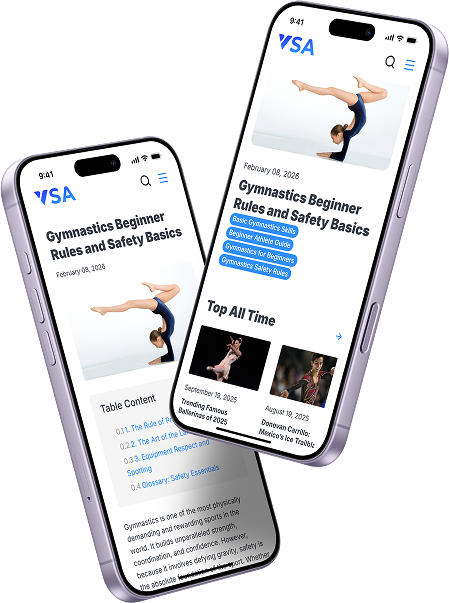
When we think about physical activity for children, we often focus on running, jumping, and playing. While these are vital for development, there’s another crucial component that often gets overlooked: stretching. Introducing stretching routines to children from a young age offers a wealth of benefits that contribute to their overall health, physical literacy,and even their emotional well-being.
Why Stretching Matters for Growing Bodies
Children’s bodies are naturally more flexible than adults’, but this doesn’t mean stretching is unnecessary. In fact, it’s during these formative years that good habits are best established.
Enhances Flexibility and Range of Motion: Regular stretching helps maintain and improve a child’s natural flexibility. This allows joints to move through their full range of motion, which is essential for executing movements safely and efficiently in sports, dance, and everyday activities. A greater range of motion can also reduce stiffness as they grow.
Improves Posture: In today’s digital age, children often spend significant time hunched over screens. Stretching can help counteract the effects of poor posture by lengthening tightened muscles and strengthening weaker ones,promoting a more upright and healthy alignment. Good posture is vital for spinal health and can prevent future aches and pains.
Reduces Risk of Injury: Flexible muscles are less prone to strains, sprains, and tears. By regularly stretching,children can prepare their bodies for physical challenges, making them more resilient to the stresses of active play and sports. This is particularly important during growth spurts when muscles and tendons can feel tight.
Boosts Body Awareness and Coordination: Stretching requires a child to focus on different parts of their body and how they feel. This increased body awareness (proprioception) can improve coordination, balance, and motor skills, making them more adept at various physical tasks.
Promotes Relaxation and Stress Relief: Gentle stretching can be a calming activity. It encourages deep breathing and helps children tune into their bodies, offering a simple yet effective way to relax, relieve tension, and even prepare for sleep. This mindful aspect can be particularly beneficial in managing childhood stress.
The key to successful stretching for kids is to make it an enjoyable and non-intimidating experience.
Keep it Playful: Incorporate stretching into games, storytelling (e.g., “stretch like a tall tree,” “curl up like a cat”),or animal poses.
Lead by Example: Children are great imitators. Join them in their stretches!
Short and Sweet: Don’t expect long holding times. A few seconds per stretch is sufficient, gradually increasing as they get older and more comfortable.
Listen to Their Bodies: Emphasize that stretching should never be painful. Encourage them to stretch gently to a point of mild tension, not discomfort.
Consistency is Key: A few minutes of stretching every day or most days is more beneficial than one long session once a week.
Incorporating stretching into a child’s daily routine is an investment in their long-term physical health and well-being. By fostering flexibility, strength, and body awareness from a young age, we equip them with the tools to live more active, healthier, and more balanced lives.
Achieve More With VSA: Boost your skills with world-class coaches for just $29/hour. Perfect for skaters, hockey players, dancers, and athletes, VSA offers personalized training 24/7, 365 days a year, anywhere in the world.


 English
 中文 (中国)
 Español