

 English
 中文 (中国)
 Español


July 29, 2026
5 Skills Named After Olympic Gymnasts
November 01, 2025
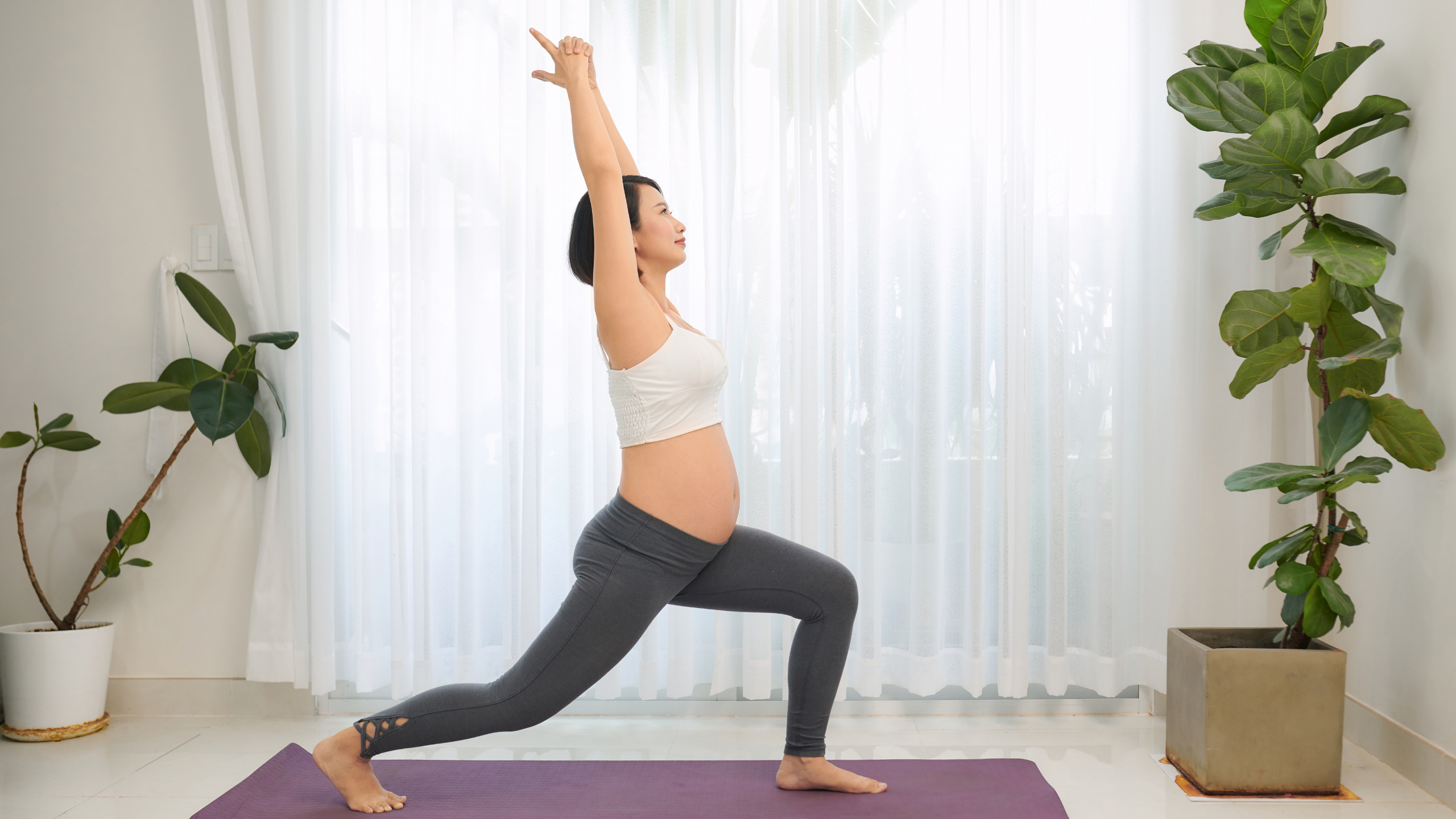
How staying active supports a healthier mom and baby
Pregnancy is one of the most transformative times in a woman’s life. Your body adapts every day — your posture, hormones, metabolism, and even mood shift to support new life.
Amid all this change, exercise becomes one of the most powerful ways to feel balanced, energized, and strong.
Many pregnant women feel tired, especially in the first and third trimesters. Paradoxically, gentle movement increases energy instead of draining it.
Exercise improves oxygen flow to muscles and the brain, stabilizes blood sugar, and reduces sluggishness.
Tip: Try a 15-minute morning walk or stretching routine — it signals your body to “wake up” naturally and helps prevent daytime fatigue.
Research fact: A 2023 study in BMC Pregnancy and Childbirth found that women who exercised moderately for at least 150 minutes per week reported 32% fewer fatigue symptoms compared to those who were inactive.
Regular physical activity helps prevent or manage common pregnancy-related conditions such as:
According to the CDC, physically active pregnant women are 25–30% less likely to develop gestational diabetes and 40% less likely to have complications during labor.
Safe options include low-impact activities like swimming, prenatal yoga, walking, or stationary cycling, which improve circulation without stressing the joints.
Your center of gravity shifts forward as the belly grows, often causing back pain or discomfort in the hips.
Strengthening core muscles, glutes, and back through targeted exercises improves posture and stability.
Example: Pelvic tilts, cat-cow stretches, and supported squats help release tension in the lower back and hips.
About 70% of pregnant women experience some degree of lower back pain — regular stretching and strengthening can reduce that by nearly half.
Hormonal changes can sometimes lead to anxiety or mood swings. Exercise helps your brain release endorphins and serotonin — natural mood boosters that also reduce stress and anxiety.
It can also help you sleep better, especially when combined with light stretching or deep-breathing routines before bed.
Studies show that women who maintain a consistent exercise routine during pregnancy experience up to 25% better sleep quality and lower rates of prenatal depression.
Try gentle evening yoga, prenatal meditation, or breathing exercises before bed.
Labor requires stamina, strength, and focus — just like an athletic event.
Regular workouts strengthen your legs, core, and pelvic floor, helping your body handle contractions and support an easier recovery afterward.
Women who stay active during pregnancy often have shorter labor times (by 30–40 minutes on average) and recover faster postpartum, according to studies published in The Journal of Obstetric Medicine.
Focus areas:
Exercise doesn’t just help you — it helps your baby too.
Physical activity increases placental blood flow, improving oxygen and nutrient delivery. Babies born to active mothers tend to have:
One study in The Journal of Perinatal Medicine found that babies of women who exercised regularly during pregnancy had lower resting heart rates and better autonomic control — indicators of strong cardiovascular health.
It’s always best to check with your doctor before starting or changing your routine.
Here are some universal guidelines from the American College of Obstetricians and Gynecologists (ACOG):
You don’t have to push hard — consistency matters more than intensity.
Short home workouts, light stretching before bed, or joining an online prenatal fitness class can make it easier to stay motivated and supported throughout all three trimesters.
Tip: Build a simple weekly plan:
Working out during pregnancy isn’t about “staying fit” — it’s about feeling strong, balanced, and confident in your changing body.
Movement supports your health, your baby’s development, and your emotional well-being.
Whether it’s a gentle yoga session, a swim, or a walk in the park — keep moving.
Your body and your baby will thank you for it.
However, it’s equally important to train safely under the guidance of a qualified prenatal fitness coach. A professional can help you adjust each exercise to your trimester, monitor form, and make sure every workout supports — not strains — your body during this special time.
Achieve More With VSA: Boost your skills with world-class coaches for just $29/hour. Perfect for skaters, hockey players, dancers, and athletes, VSA offers personalized training 24/7, 365 days a year, anywhere in the world.
By Vitalina Andrushchenko, Staff Writer
Competition highlights, industry trends, expert opinions, and stories from athletes and artists worldwide — delivered straight to your inbox


