

 English
 中文 (中国)
 Español


July 29, 2026
5 Skills Named After Olympic Gymnasts
November 20, 2025
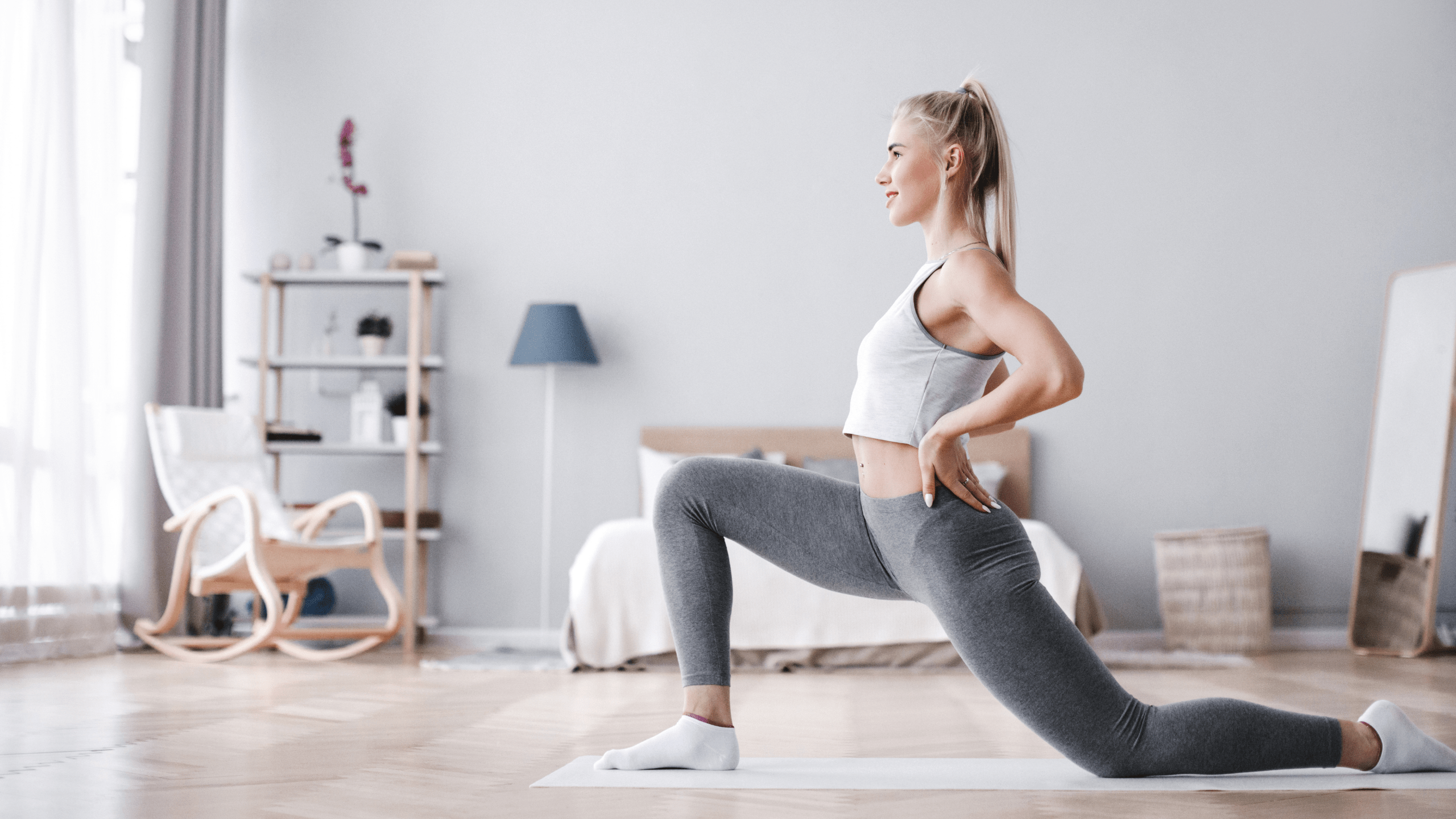
You can stretch exactly the same way every day, yet some weeks you’re inches closer to the floor and others your muscles feel like concrete. That’s not inconsistency or lack of effort — that’s your hormones running the show. Oestrogen, progesterone, relaxin, and cortisol quietly change how stretchy your ligaments, tendons, and fascia are throughout the month, pregnancy, and menopause. Once you know the pattern, you stop fighting your body and start making faster, safer gains.
Flexibility level: average to slightly below average What’s happening: both oestrogen and progesterone are at their lowest; you may feel fatigued or crampy.
Smart training
Flexibility level: PEAK — this is your superpower window What’s happening: oestrogen surges + relaxin receptors become more active → ligaments and fascia temporarily gain 5–10° (or more) of extra range.
How to maximise it
Flexibility level: moderate and gradually dropping What’s happening: progesterone rises and makes newly formed collagen stiffer.
Strategy
Flexibility level: lowest of the entire cycle What’s happening: progesterone peak + water retention + higher cortisol.
How to stay safe
Flexibility level: extremely high (relaxin can increase joint laxity dramatically) Rules are non-negotiable
Flexibility level: sharp decline (up to 30 % collagen loss in the first five years after menopause) What actually helps
Track your cycle for 2–3 months. You’ll see your personal flexibility wave clearly. Put your hardest, deepest sessions around ovulation and use the luteal phase for strength and maintenance. Gains come 1.5–2× faster and injuries almost disappear.
Your hormones aren’t holding you back — they’re giving you the most accurate training calendar you’ll ever have. Use it.
Achieve More With VSA: Boost your skills with world-class coaches for just $29/hour. Perfect for skaters, hockey players, dancers, and athletes, VSA offers personalized training 24/7, 365 days a year, anywhere in the world.
By Vitalina Andrushchenko, Staff Writer
Competition highlights, industry trends, expert opinions, and stories from athletes and artists worldwide — delivered straight to your inbox


