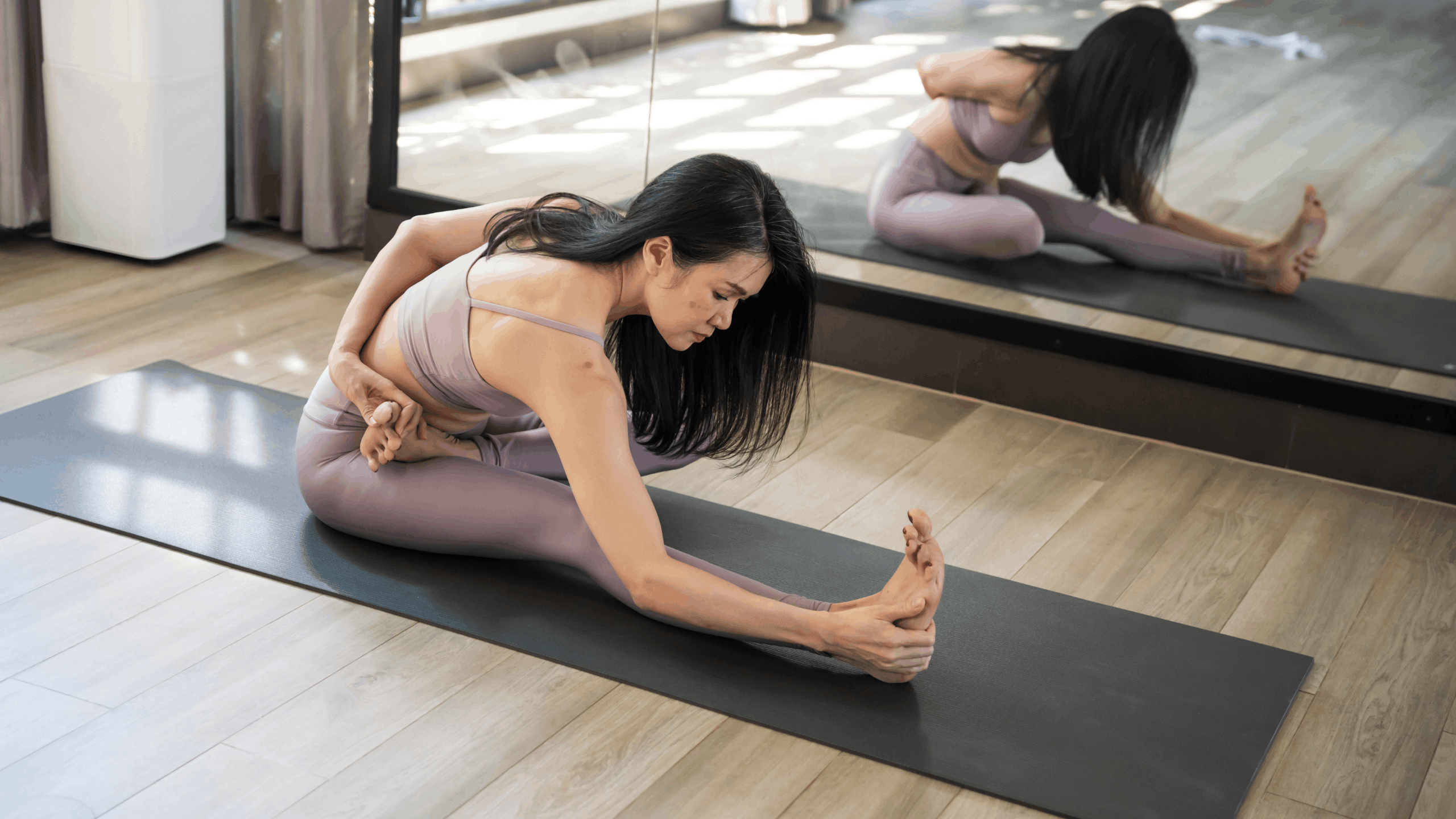
In the modern fitness world, a frustrating paradox has emerged: people are lifting heavier and looking more muscular than ever, yet a staggering 62% of active individuals report feeling “stiff,” “locked up,” or unable to move freely. This growing gap between raw strength and functional mobility is becoming a quiet epidemic in gyms and professional sports alike.
The Science: Strength is Not Mobility
The primary reason for this disconnect is a misunderstanding of how the body moves. Strength is simply the ability of a muscle to exert force against resistance. Mobility, however, is the ability of a joint to move actively through its full intended range of motion under neurological control.
A major contributor to this 62% statistic is a physiological process called “Adaptive Shortening.” When we train primarily in mid-range movements—such as partial squats or bench presses—the nervous system “prunes” the ranges of motion that are not being used. Over time, your brain creates a neurological “stop sign,” tightening the muscles to protect the joints from entering zones where it doesn’t feel strong or stable.
Common Culprits for the “Strong but Stiff”
Isolation Overload: Focusing too much on single-muscle machines (like leg extensions) rather than compound, multi-planar movements limits the body’s ability to coordinate complex motions.
The “Hockey Hunch” and Sitting: Whether on the ice or at a desk, staying in a flexed (crouched) position causes the hip flexors to physically shorten. This creates stiffness even in individuals with incredibly strong legs.
Lack of Eccentric Control: Many strong people can lift a weight up with power, but they “drop” it on the way down. True mobility is built during the lengthening (eccentric) phase of a lift.
Neglected Fascia: Fascia is the connective tissue “web” surrounding your muscles. High-load training without proper recovery or varied movement can cause this web to become restrictive and “gluey.”
Prioritize Active Mobility: Stop relying solely on static stretching. Instead, move into a stretch using your own muscle power to signal to your brain that the range of motion is safe.
Train at Full Range: Lower the weight if necessary to ensure you are hitting the absolute “bottom” of your squats and the full “top” of your presses. Strength gained at the end-range is what creates permanent mobility.
Target Hips and Ankles: These are the primary “stiffness zones.” Incorporating 90/90 hip switches and ankle gliders daily can reverse the effects of prolonged sitting or stiff athletic footwear.
Emphasize the Eccentric: Take 3–4 seconds to lower weights during your strength training. This forces the muscle to stay active while being stretched, building “strength in length.”
Vary Your Movement Planes: Don’t just move forward and back. Incorporate rotations and lateral lunges to keep your fascia fluid and your joints versatile.
Achieve More With VSA: Boost your skills with world-class coaches for just $29/hour. Perfect for skaters, hockey players, dancers, and athletes, VSA offers personalized training 24/7, 365 days a year, anywhere in the world.


 English
 中文 (中国)
 Español