 English
 中文 (中国)
 Español
February 19, 2026
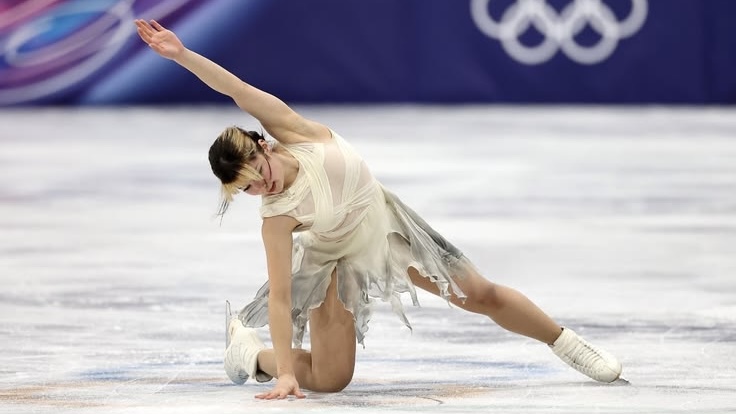
The Million-Dollar Medal: Alysa Liu’s Olympic Journey
January 22, 2026
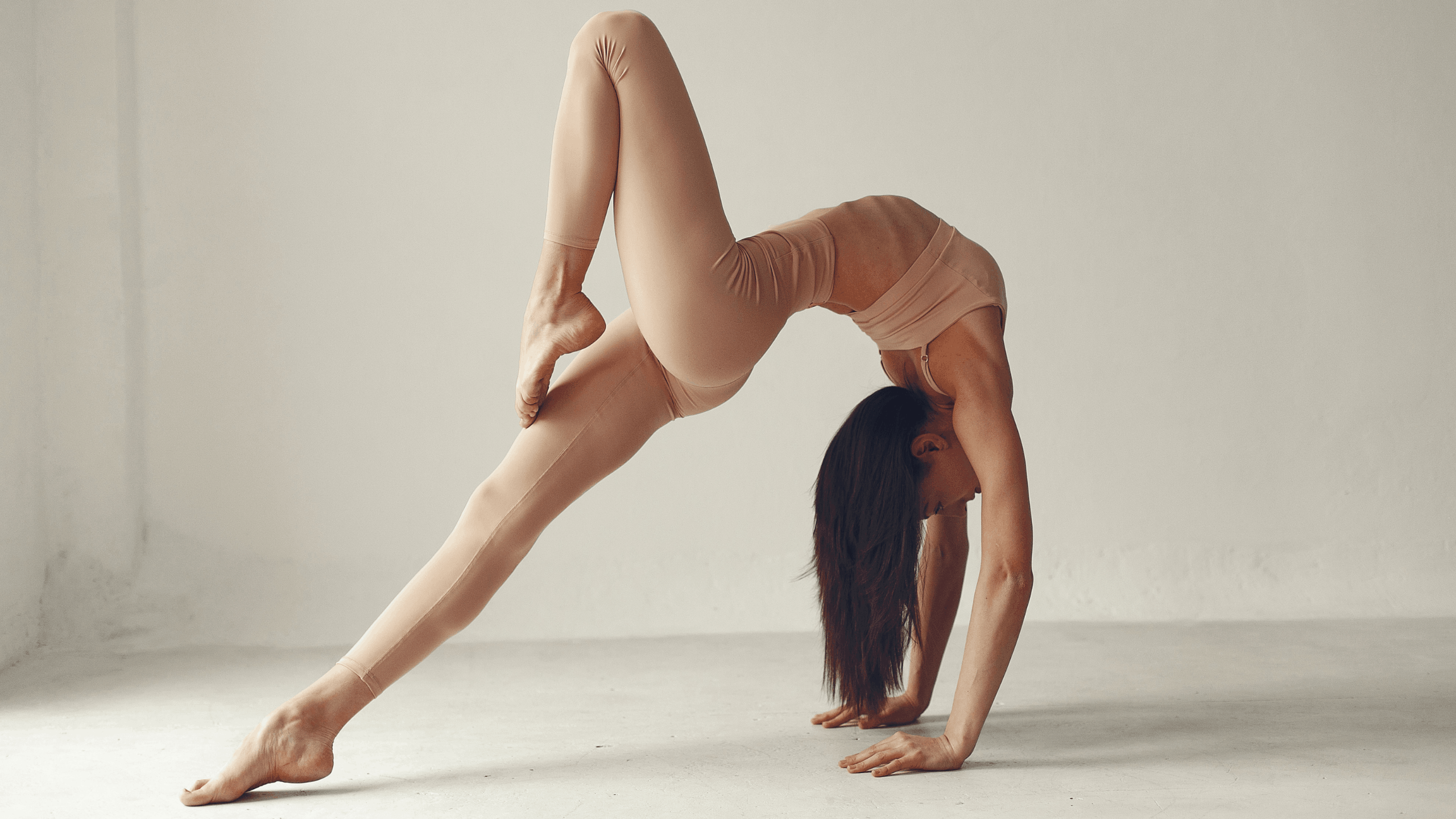
Stretching is supposed to be relaxing, yet 66% of people unconsciously hold their breath the moment they feel a muscle pull. This “survival reflex” doesn’t just make the stretch harder; it actually prevents your muscles from lengthening. Understanding why we skip breathing is the first step to unlocking true flexibility.
The primary reason people stop breathing is the Stretch Reflex. When a muscle reaches its limit, the brain perceives it as a potential injury. This triggers the sympathetic nervous system (fight-or-flight), causing you to brace your core and hold your breath to “stabilize” the body against perceived danger.
To break the 66% statistic, you must stop fighting your nervous system. The 4-7-8 Breathing Technique, originally popularized by Dr. Andrew Weil, acts as a “biological hack” for your muscle spindles. By focusing on the exhale, you manipulate your heart rate variability to force muscle relaxation.
Achieve More With VSA: Boost your skills with world-class coaches for just $29/hour. Perfect for skaters, hockey players, dancers, and athletes, VSA offers personalized training 24/7, 365 days a year, anywhere in the world.
By Vitalina Andrushchenko, Staff Writer
February 19, 2026
The Million-Dollar Medal: Alysa Liu’s Olympic Journey

December 25, 2025
Nancy Kerrigan’s $10 Million Legacy: Success Beyond the Ice
January 08, 2026
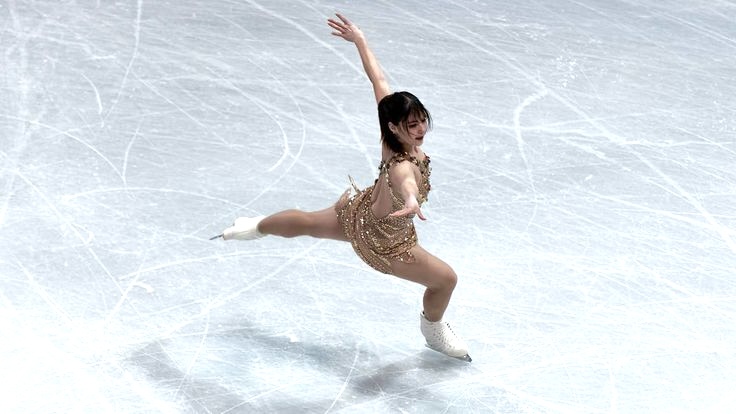
2026 U.S. Skating Nationals Results
Competition highlights, industry trends, expert opinions, and stories from athletes and artists worldwide — delivered straight to your inbox