 English
 中文 (中国)
 Español
February 19, 2026
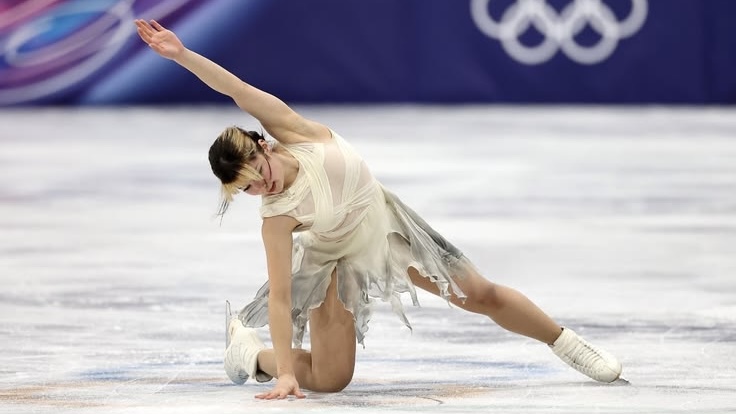
The Million-Dollar Medal: Alysa Liu’s Olympic Journey
February 06, 2026

Have you ever wondered how some people can pick up a guitar and play a song they just heard on the radio? This isn’t a “superpower”—it is a developed skill called Aural Awareness. Developing a good ear is the difference between simply reading notes and truly “speaking” the language of music.
Scientific research shows that music training actually shapes the brain’s anatomy. Musicians often have more gray matter in the auditory cortex and a stronger connection between the two hemispheres of the brain. Whether you are a beginner or a pro, training your ears is the most effective way to improve your performance and creativity.
Most people “hear” music as background noise. To develop a musical ear, you must switch to Active Listening.
You likely know the “Do-Re-Mi” scale. This system, called Solfège, is a powerful tool for ear training. By assigning a specific syllable to every note, you create a mental “anchor” for that sound.
Transcription is the process of listening to music and writing it down or playing it back without using sheet music. It is the musical equivalent of heavy weightlifting.
Understanding these terms will help you decode the sounds around you:
Ultimately, a great musical ear is not a gift you are born with, but a bridge you build between your mind and your instrument.
Achieve More With VSA: Boost your skills with world-class coaches for just $29/hour. Personalized programs 24/7, 365 days a year, anywhere in the world.
By Vitalina Andrushchenko, Staff Writer
February 19, 2026
The Million-Dollar Medal: Alysa Liu’s Olympic Journey

December 25, 2025
Nancy Kerrigan’s $10 Million Legacy: Success Beyond the Ice

January 08, 2026
2026 U.S. Skating Nationals Results
Competition highlights, industry trends, expert opinions, and stories from athletes and artists worldwide — delivered straight to your inbox