English
 中文 (中国)
 Español


July 29, 2026
5 Skills Named After Olympic Gymnasts
March 26, 2026
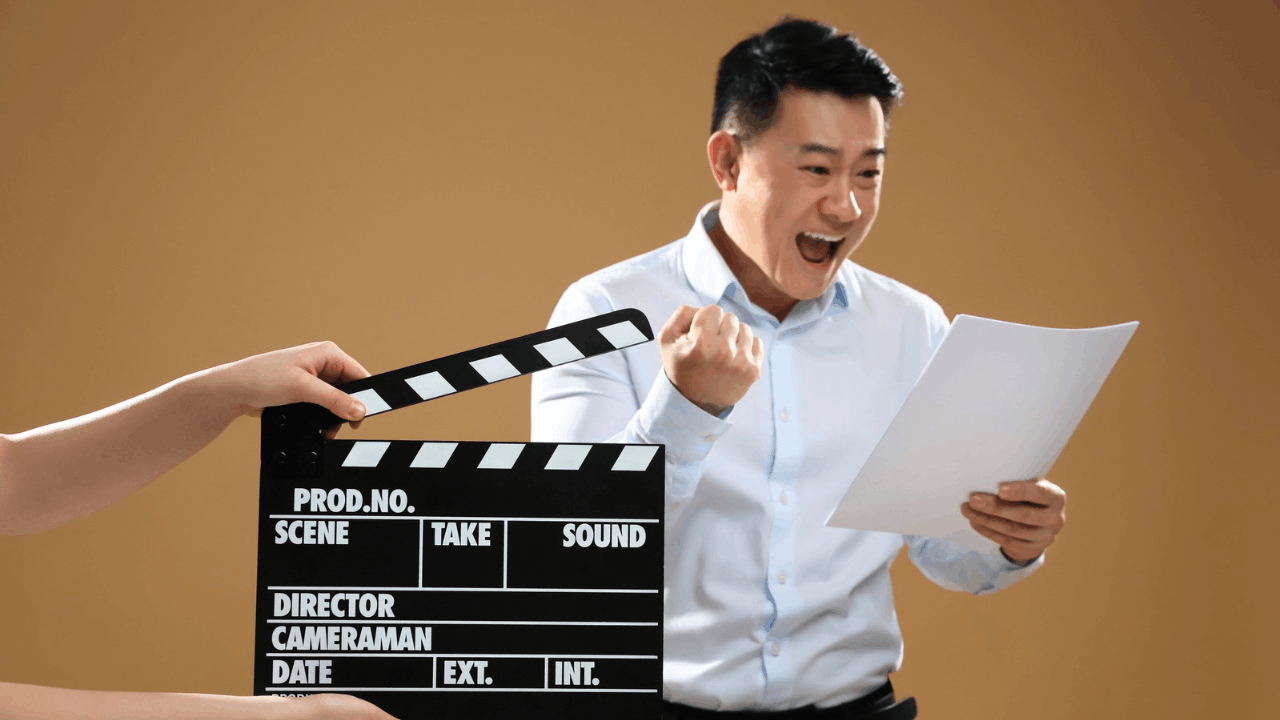
In film and theater, the eyes are the primary window into a character’s internal world. For beginners, however, the eyes often become a source of “technical noise” that breaks the audience’s immersion. Mastering your eye-line isn’t just about where you look; it’s about maintaining the “believability” of the space around you. At VSA, we teach that a wandering eye is often a wandering mind—precision starts with where you fix your gaze.
To avoid these common pitfalls, it is important to integrate structured practice into your routine. At VSA, we recommend a simple “Three-Point Anchor” exercise. Place three small markers at different heights and distances in your practice space. Practice transitioning your dialogue from one marker to the next without “drifting” in between. If you catch your eyes wandering or searching for lines, stop immediately. It is better to reset the exercise than to practice a mistake.
Ultimately, the most powerful eye-line is one that convinces the audience you are seeing something they cannot—a memory, a fear, or a ghost from the past.
Achieve More With VSA: Boost your skills with world-class coaches for just $29/hour. Personalized programs 24/7, 365 days a year, anywhere in the world.
By Vitalina Andrushchenko, Staff Writer
Competition highlights, industry trends, expert opinions, and stories from athletes and artists worldwide — delivered straight to your inbox