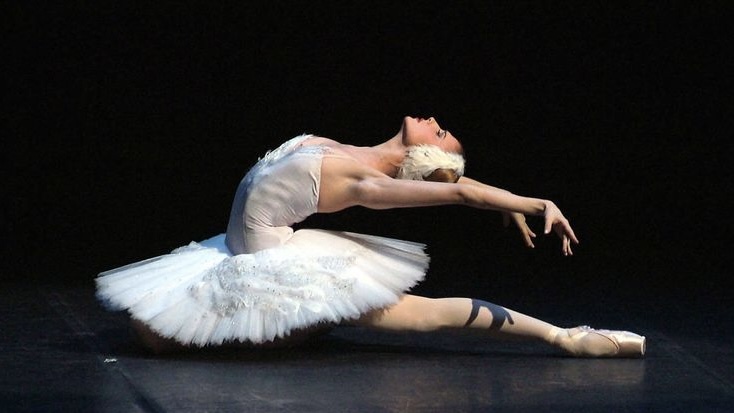
In figure skating, “Music Interpretation” is often the difference between a technician and an artist. It is a major component of the Program Components Score (PCS), yet many skaters treat the music as mere background noise for their jumps. True interpretation means your body becomes a physical manifestation of the sound. If the music stops, the audience should still be able to “hear” the rhythm through your movement.
Common Mistakes & VSA Pro-Tips
1. The “Metronome” Trap
The Mistake: Moving at a constant, robotic speed regardless of the musical phrasing. Many skaters hit the “one” count of every measure but ignore the swells, crescendos, and silences in between.
VSA Tip: Practice “Breath Phrasing.” Before getting on the ice, listen to your music and mark the moments where you would naturally take a breath if you were singing. In your program, use your knees and torso to “inhale” during the build-up and “exhale” on the musical resolution. This creates a fluid, organic look that mimics the soul of the music.
The Mistake: Dropping the character and expression the moment a difficult technical element approaches. The audience sees a “performance” for thirty seconds, followed by a look of intense concentration (or fear) as the skater prepares for an Axel or Lutz.
VSA Tip: Use “The Eye-Line Anchor.” At VSA, we teach skaters to pick a specific point in the stands during their jump setup that aligns with the character’s mood. If the music is triumphant, look up; if it is somber, keep your focus internal. By keeping your eyes in character, your brain remains connected to the performance even while your body handles the physics of the jump.
3. Ignoring the “Texture” of Sound
The Mistake: Using the same skating style for a sharp violin staccato as you do for a smooth cello legato. Beginners often skate with the same “weight” throughout the entire program.
VSA Tip: “Categorize Your Edges.” At VSA, we categorize musical sounds into physical weights. Sharp, quick sounds (staccato) should be matched with quick head snaps or sharp arm extensions. Long, flowing notes (legato) require deep, slow knee pressure and elongated glides. If the music has a “plucked” sound, your fingers should mimic that sharpness.
4. The “Race to the Finish”
The Mistake: Finishing the choreography before the music ends, or frantically rushing to catch up. This usually happens because the skater isn’t actually listening; they are just counting.
VSA Tip: “The 2-Second Delay Rule.” During practice at VSA, try to intentionally “wait” for the music to trigger your movement rather than anticipating it. Being a fraction of a second behind the beat often looks more soulful and intentional than being ahead of it. Allow the music to “push” your body into the next turn.
Achieve More With VSA: Boost your skills with world-class coaches for just $29/hour. Personalized programs 24/7, 365 days a year, anywhere in the world.


 English
 中文 (中国)
 Español